Liver health · November 23, 2026
Targeted micronutrients for fatty liver: ultrasound showed improvements, but the headline index didn't budge
A pilot trial gave 15 adults with metabolic fatty liver disease a four-month course of targeted micronutrients. While ultrasound scans showed reduced liver fat in 13 of 15 participants, the primary Fatty Liver Index score failed to hit its target.
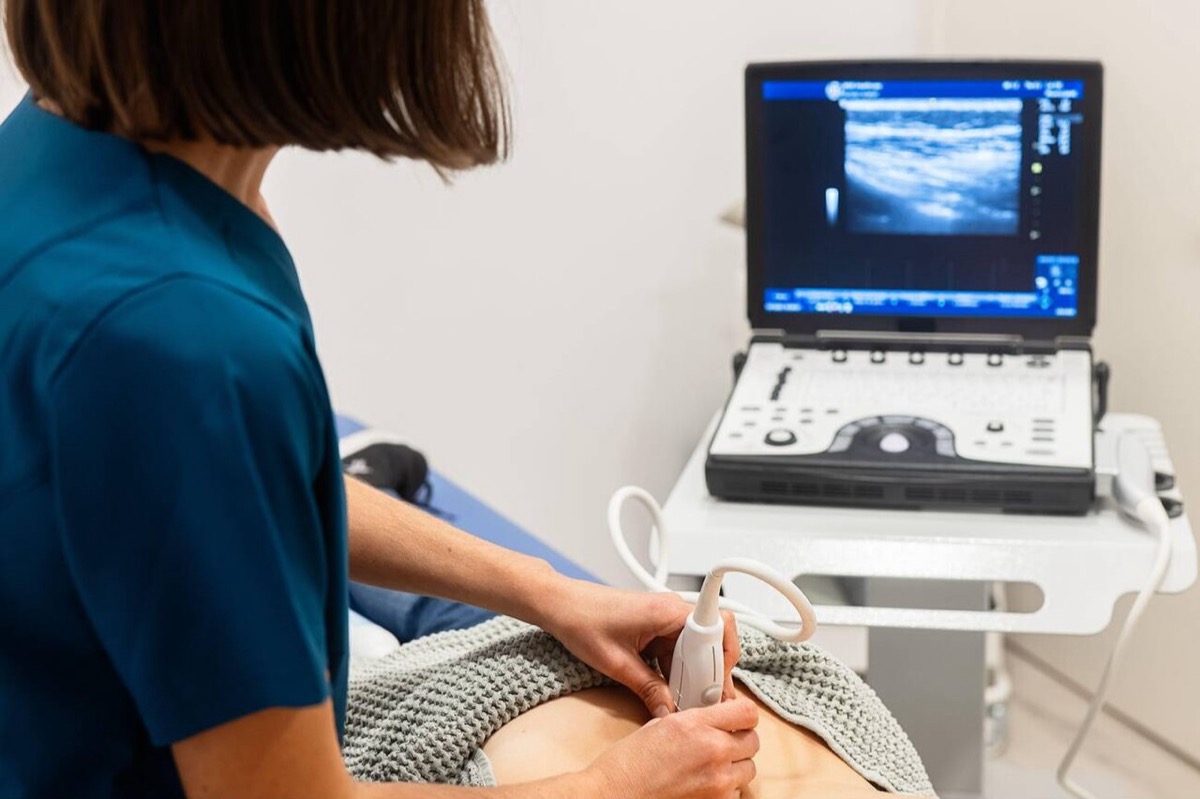
Metabolic dysfunction-associated steatotic liver disease, or MASLD (formerly NAFLD), affects nearly one in three adults worldwide. Beyond weight and calorie balance, researchers increasingly look at cellular drivers such as insulin resistance, iron handling, and oxidative stress. A clinical team conducted a prospective, open-label pilot study to test whether a tailored micronutrient supplement could improve liver fat accumulation without demanding an aggressive new weight-loss regimen.
Fifteen adults with ultrasound-confirmed grade II or III liver steatosis took two complementary micronutrient formulations daily for four months. The researchers tracked whether the Fatty Liver Index (FLI)—an algorithm based on BMI, waist circumference, triglycerides, and GGT—would fall by at least 10%, which was their pre-specified primary endpoint.
The trial missed that primary goal: average FLI slipped from 59.18 to 56.63, a non-significant 4.3% drop (p = 0.256). Yet exploratory measures painted a more nuanced picture. On ultrasound, 13 of the 15 participants shifted into lower steatosis grades (nominal p = 0.010), and none worsened. Blood markers also shifted favorably: fasting glucose, insulin, ferritin, and homocysteine (−23%) declined, while transferrin saturation rose (nominal p <= 0.033), all without changes in body mass index.
Because this was a small, uncontrolled pilot without a placebo group or magnetic resonance spectroscopy (the gold standard for measuring liver fat), the authors caution that the findings cannot prove efficacy. They call for larger randomized controlled trials to confirm whether specific micronutrient blends truly reduce liver fat or whether ultrasound observer expectations influenced the grading.
Four-month micronutrient pilot in 15 MASLD adults
-4.3%
change in Fatty Liver Index (59.18 to 56.63, p = 0.256, primary endpoint missed)
13 of 15
participants showed improved ultrasound steatosis grading (nominal p = 0.010)
-23%
reduction in plasma homocysteine levels over 4 months (nominal p <= 0.033)
0
serious adverse events or significant changes in BMI during the trial
Open-label single-arm pilot study published in Nutrients, 14 November 2026. Lacks a placebo control group.
- The Fatty Liver Index uses routine clinical measures—waist circumference, BMI, triglycerides, and GGT—to estimate steatosis risk on a 0 to 100 scale.
- Iron handling and liver fat are closely linked; ferritin often rises in MASLD as a marker of hepatic inflammation and altered iron storage.
- A change in liver ultrasound echogenicity reflects acoustic tissue characteristics, whereas MRI-PDFF measures hepatic triglyceride fraction directly.
- Targeted Micronutritional Support in Adults with Metabolic Dysfunction-Associated Steatotic Liver Disease (MASLD): A Prospective, Single-Arm Pilot Study of Hepatic Steatosis and Cardiometabolic OutcomesNutrients · Open-access prospective pilot study. Published 14 November 2026.
- File:Abdominal Ultrasound Imaging in Navi Mumbai.jpgWikimedia Commons · Photo by Goleisureintl, CC BY 4.0.
Educational summary of nutrition research, not personal medical advice. Speak to your doctor or dietitian before changing your diet or supplements, especially if you are pregnant, take medicines or have a medical condition.
Analysis by NutroPractic from the sources listed. Written for general readers; it does not replace advice from your own doctor.
From our articles
Our guides on this subject
Plain-language guides on nutrition and wellness, backed by research.

Liver health
Choline: how much you need, which foods have it, and what the PEMT gene variant and fatty liver research found
Most adults eat less choline than the 425 mg (women) or 550 mg (men) target: the average is 278 mg for women and 402 mg for men. In one feeding trial, 80% of women with two copies of a common PEMT gene variant developed liver or muscle damage on a low-choline diet, against 13% with none. A table of foods in mg, a worked day that reaches 540 mg, and what the fatty-liver studies do and don't show.
16 Nov 2026
Liver health
Fatty liver (MASLD): how much weight loss reverses it, and what coffee and alcohol do
About one adult in three has a fatty liver, and most find out by accident on a scan. Biopsy studies show how much weight loss clears the fat, calms the inflammation and even shrinks scarring. Here are the numbers, what diet and drinks do, the new medicines and the one blood test worth asking for.
30 Oct 2026

Supplements and vitamins
Spermidine from food or capsules: measured milligrams in wheat germ, soybeans and cheese, and what the one year-long trial found
Wheat germ holds about 22 to 34 mg of spermidine per 100 g, matured cheese about 0.12 mg. The only year-long capsule trial used 0.9 mg a day and found no memory benefit. Measured values, worked doses and safety.
22 Nov 2026
Newsfeed for your website
Want this feed on your website?
Add it to any site with one copy-and-paste snippet. No sign-up, and it updates itself every hour.
Start with a virtual consultation
Tell Dr. Triveni what you want to change. You will leave with a clear next step, whether you are in Toronto, London, New York or Chennai.