Maternal nutrition & child development · November 19, 2026
Nutrient-dense prenatal diets linked to better social communication scores in over 6,000 children
Analyzing data from 6,084 mother-child pairs across 14 cohorts in the US ECHO consortium, researchers found that higher prenatal dietary quality and lower dietary inflammation were modestly associated with favorable child social responsiveness traits.
The prenatal period represents a uniquely sensitive developmental window during which maternal nutrition directly shapes fetal neurodevelopment, epigenetic programming, and neural pathway formation. While major nutrient deficiencies like folate have established developmental impacts, epidemiological research has increasingly examined overall dietary patterns—capturing complex synergistic nutrient interactions—in relation to dimensional neurobehavioral traits in offspring.
A large-scale multicohort investigation published in Nutrients evaluated prospective data from 6,084 mother-child dyads enrolled across 14 research cohorts participating in the Environmental Influences on Child Health Outcomes (ECHO) consortium in the United States. Maternal dietary intake during pregnancy was quantified using validated food frequency questionnaires and scored against recognized dietary quality and inflammatory indexes.
Investigators examined adherence to the Healthy Eating Index-2015 (HEI-2015), the Alternative Healthy Eating Index modified for Pregnancy (AHEI-P), and the Empirical Dietary Inflammatory Pattern (EDIP). Child neurobehavioral development was assessed between ages 2 and 18 years using the standardized Social Responsiveness Scale (SRS), which measures dimensional social communication, social motivation, and repetitive behaviors.
After adjusting for sociodemographic factors, maternal educational attainment, energy intake, and lifestyle variables, higher maternal dietary quality scores during pregnancy and lower dietary inflammatory potential were modestly but consistently associated with lower (more favorable) SRS scores in children. While dietary scores were not statistically associated with formal clinical diagnoses of autism spectrum disorder, the findings suggest that supporting wholesome maternal nutrition during pregnancy favorably influences dimensional social-communicative development across broad child populations.
Maternal prenatal dietary indexes and child social responsiveness in the ECHO consortium
6,084
Mother-child pairs evaluated across 14 prospective US cohorts
3
Validated prenatal dietary indexes analyzed (HEI-2015, AHEI-P, EDIP)
SRS
Social Responsiveness Scale measuring dimensional social-communicative traits
+Quality
Higher maternal diet quality linked with more favorable childhood SRS scores
Multicohort study from the ECHO consortium. Nutrient-dense, anti-inflammatory prenatal diets were associated with improved dimensional social responsiveness scores in offspring.
- The ECHO consortium is a nationwide NIH research program investigating how environmental and nutritional exposures influence child health.
- The Social Responsiveness Scale (SRS) evaluates social communication, social cognition, and autistic traits on a continuous numerical scale.
- The Healthy Eating Index-2015 measures alignment with the Dietary Guidelines for Americans, rewarding whole fruits, vegetables, and lean proteins.
- Anti-inflammatory diets supply omega-3 fatty acids, carotenoids, and zinc that support fetal placental perfusion and neurogenesis.
- Maternal Dietary Patterns During Pregnancy and Child Autism-Related Traits in the Environmental Influences on Child Health Outcomes ConsortiumNutrients / MDPI · Multi-cohort investigation of 6,084 mother-child pairs from the ECHO consortium. Published November 2026.
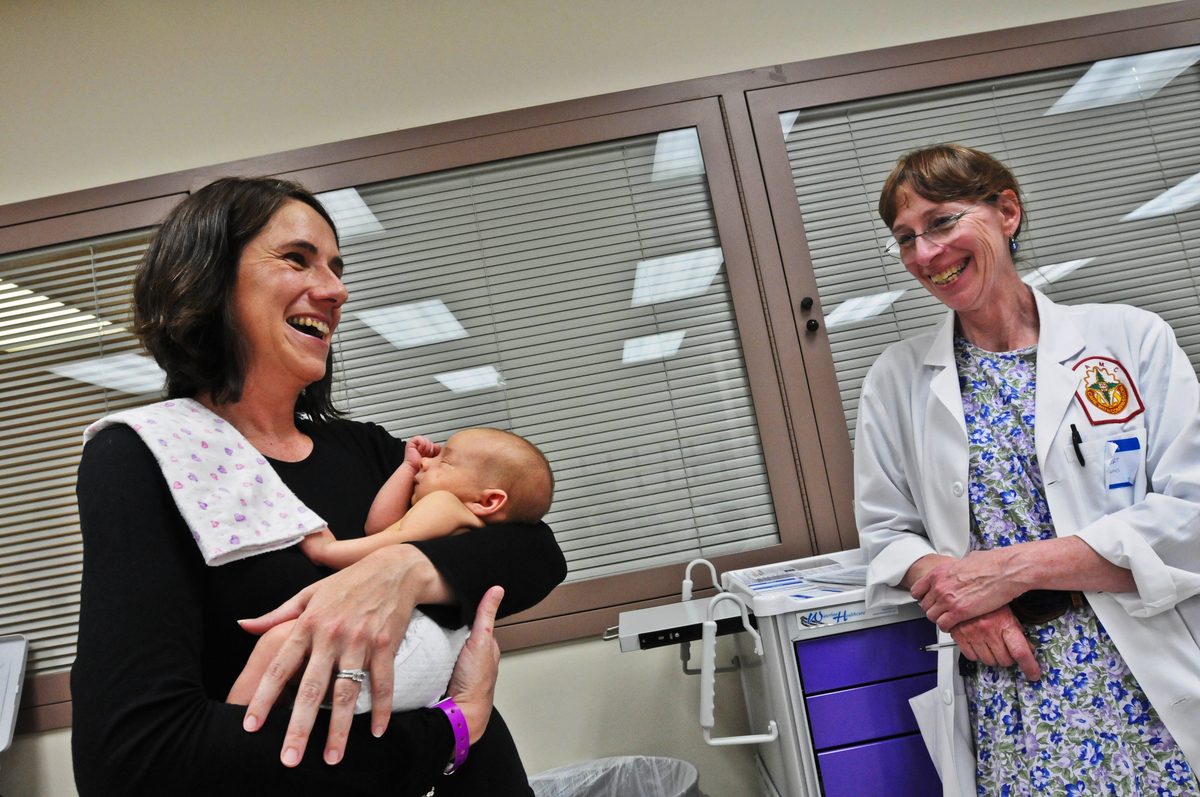
- Mother with infant speaking with clinician at Madigan Army Medical CenterWikimedia Commons · Public domain photo by Sgt. Christopher Gaylord, US Army.
Maternal and pediatric nutritional epidemiology summary, not medical diagnosis or clinical guidance. Expectant mothers should follow tailored prenatal nutrition guidance under the supervision of their obstetrician.
Analysis by NutroPractic from the sources listed. Written for general readers; it does not replace advice from your own doctor.
From our articles
Our guides on this subject
Plain-language guides on nutrition and wellness, backed by research.
Women's health
Eating while breastfeeding: extra calories, iodine, caffeine, fish and alcohol, with the actual numbers
Breastfeeding usually adds about 330–400 kcal a day, but the smaller numbers can matter more: 290 mcg iodine, 400 IU vitamin D for baby, 8–12 oz fish a week, and a caffeine total you can actually add up.
6 Nov 2026
Women's health
Nausea in pregnancy: ginger, vitamin B6, small meals and when it's hyperemesis, from the trials
Only 1.8% of women in one diary study had nausea just in the morning. Ginger at 1 g a day, B6 at 30 to 75 mg and doxylamine with B6 each have trial data, while diet advice has none. The score to track it, the doses, and the signs that mean a phone call.
5 Nov 2026
Women's health
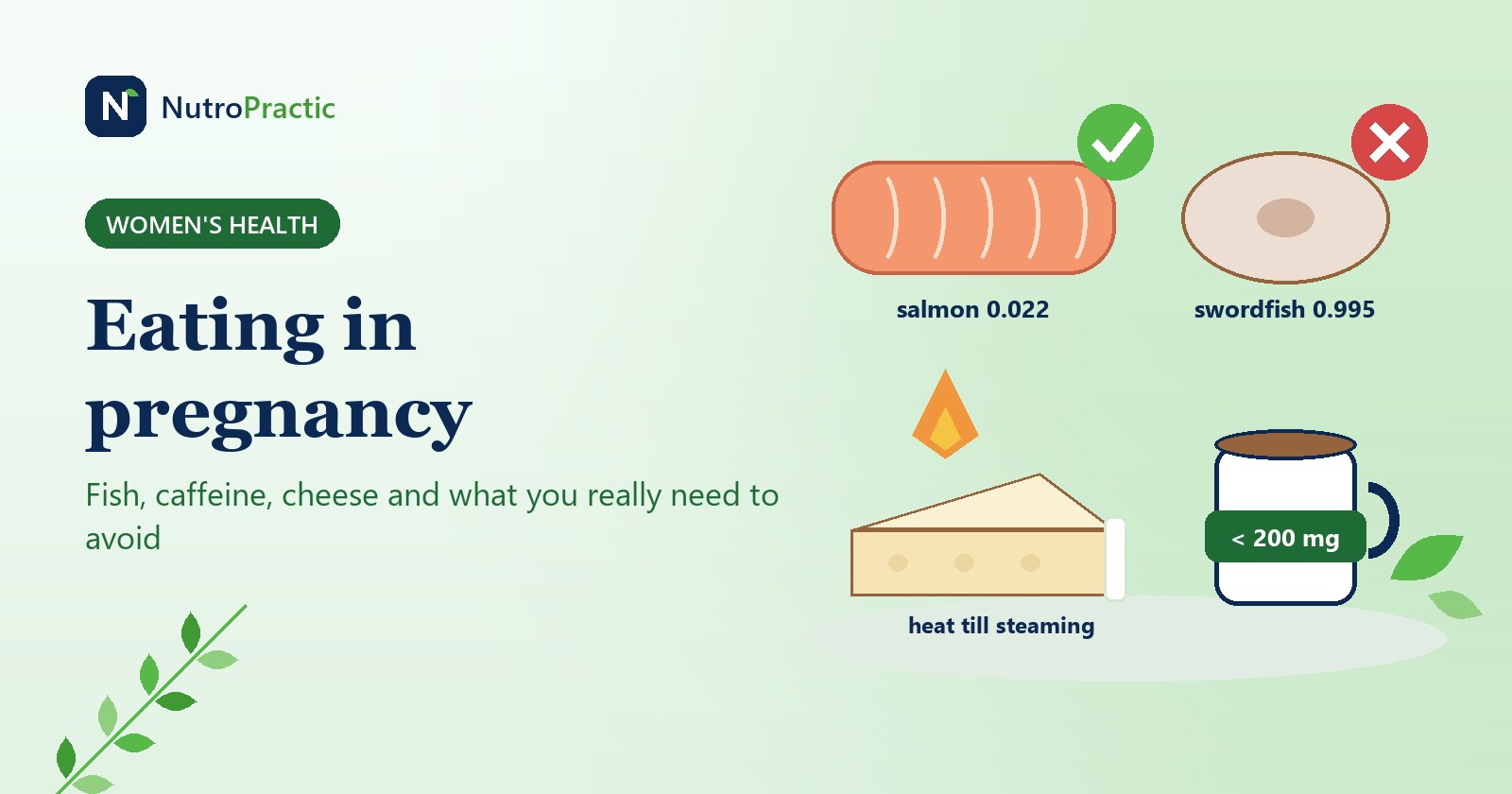
Eating in pregnancy: fish, caffeine, cheese and what you really need to avoid
Most fish is encouraged in pregnancy, not banned: 8-12 oz a week from the low-mercury list. The mercury numbers per fish, what 200 mg of caffeine looks like in real cups, which cheeses carry the listeria risk and how many cases there actually are, why liver is on the list, and how much weight to gain for your BMI.
29 Oct 2026
Newsfeed for your website
Want this feed on your website?
Add it to any site with one copy-and-paste snippet. No sign-up, and it updates itself every hour.
Start with a virtual consultation
Tell Dr. Triveni what you want to change. You will leave with a clear next step, whether you are in Toronto, London, New York or Chennai.