Sports nutrition & recovery · November 19, 2026
Three grams of L-arginine did not speed up heart rate or blood pressure recovery after hard exercise
In a triple-blind, randomized crossover trial of 32 active men, acute pre-workout L-arginine supplementation failed to accelerate heart rate recovery, heart rate variability, or blood pressure normalization following submaximal treadmill running.
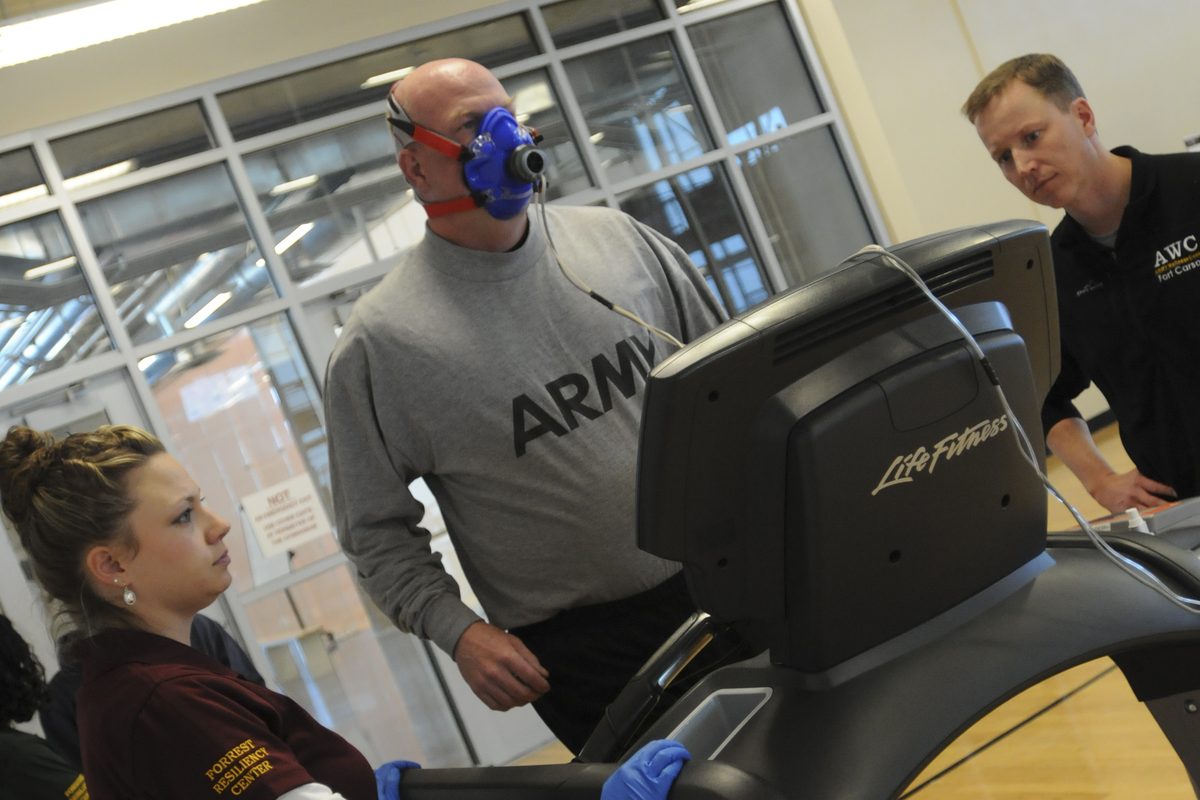
L-Arginine is heavily promoted in fitness and pre-workout formulas as a nitric oxide donor that enhances vasodilation, peripheral blood flow, and post-exercise recovery. Despite widespread commercial adoption, rigorous clinical evidence assessing whether acute oral L-arginine actually hastens autonomic and cardiovascular recovery in healthy, active populations has been inconclusive.
To test these claims under controlled conditions, investigators conducted a triple-blind, randomized, placebo-controlled crossover study involving 32 physically active, healthy young men. Participants consumed either 3 grams of pure L-arginine or an identical starch placebo prior to undergoing an incremental submaximal treadmill exercise protocol designed to elicit 80% of maximal heart rate.
Immediately following exercise cessation, researchers continuously monitored autonomic nervous system and cardiovascular responses over a 60-minute recovery period. Key measured endpoints included heart rate recovery (HRR) kinetics, time- and frequency-domain heart rate variability (HRV) parameters, and brachial blood pressure responses.
The 3-gram dose of L-arginine produced no statistically significant acceleration in parasympathetic reactivation, sympathetic withdrawal, or blood pressure normalization compared to placebo. Recovery trajectories remained nearly indistinguishable between the supplement and placebo trials. The authors conclude that single acute doses of L-arginine provide no measurable recovery advantage following submaximal cardiovascular exercise in healthy active men.
Autonomic and cardiovascular recovery kinetics after 3 g L-arginine vs placebo
32
Physically active healthy males completed the crossover trial
3 g
Oral dose of L-arginine or matched inert placebo
80%
Maximal heart rate workload achieved on treadmill protocol
0
Significant differences in heart rate or blood pressure recovery
Triple-blind, randomized, placebo-controlled crossover study. Acute L-arginine did not hasten post-exercise vagal reactivation or blood pressure normalization.
- Heart rate recovery (HRR) in the first minute post-exercise reflects how rapidly the parasympathetic nervous system reasserts control over cardiac pacemaking.
- L-Arginine undergoes extensive first-pass metabolism in the gut and liver, which can limit the amount reaching systemic nitric oxide synthases.
- Heart rate variability analyzes beat-to-beat variations in R-R intervals to gauge the balance between sympathetic and parasympathetic autonomic tone.
- Some athletes turn to L-citrulline instead of L-arginine because citrulline bypasses splanchnic extraction and raises plasma arginine concentrations more effectively.
- L-Arginine Supplementation Did Not Impact the Rapid Recovery of Cardiovascular and Autonomic Function Following Exercise in Physically Active Healthy Males: A Triple-Blind Randomised Placebo-Controlled Crossover TrialNutrients / MDPI · Triple-blind randomized crossover trial in 32 active men. Published November 2026.
- Finding the maxWikimedia Commons · Public domain photo by Cpl. William Smith, US Army.
Sports physiology and nutrition research summary, not athletic training prescription. Athletes considering amino acid supplementation should evaluate realistic evidence over marketing claims.
Analysis by NutroPractic from the sources listed. Written for general readers; it does not replace advice from your own doctor.
From our articles
Our guides on this subject
Plain-language guides on nutrition and wellness, backed by research.
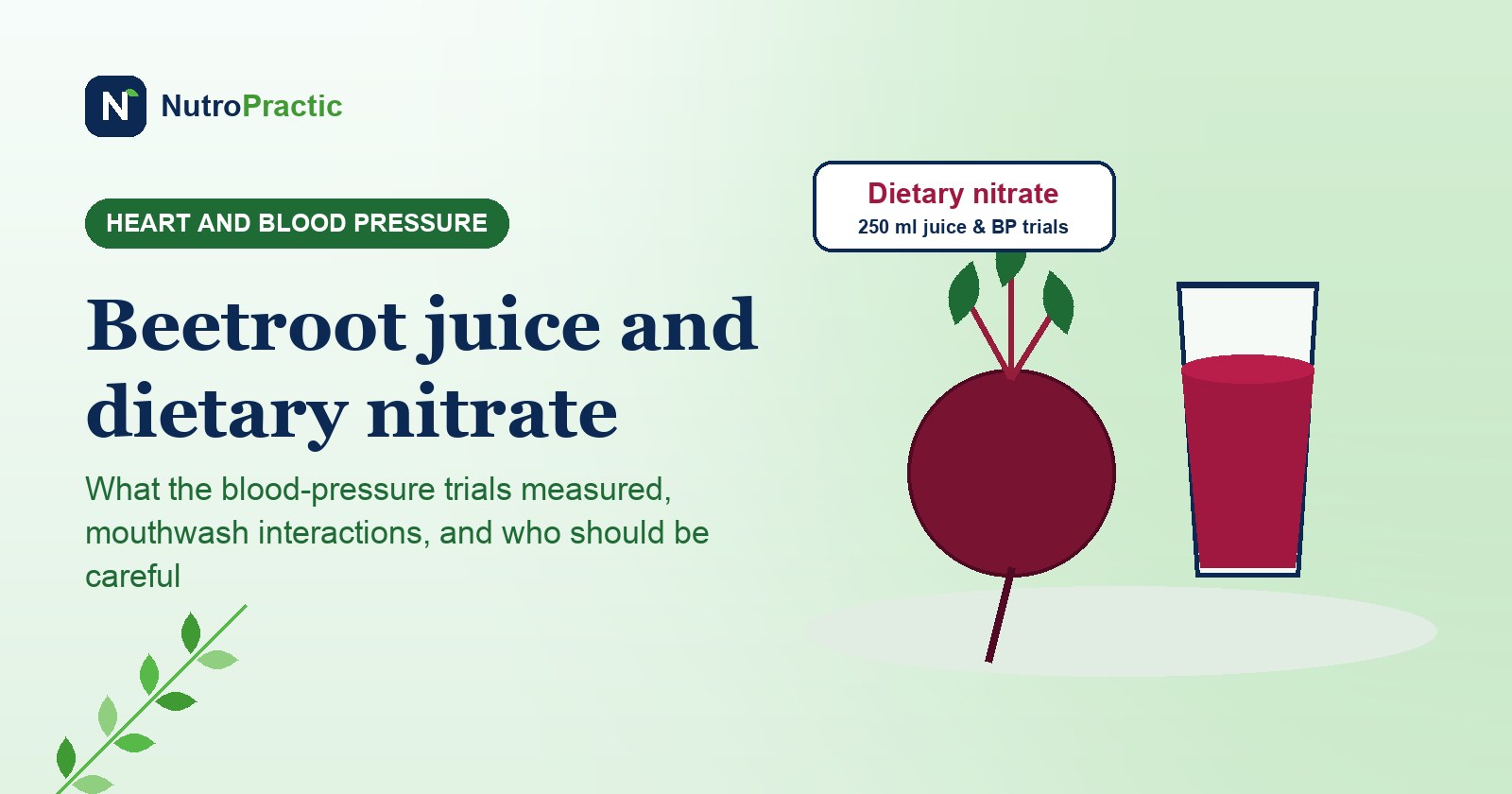
Heart and blood pressure
Beetroot juice and dietary nitrate: what the blood-pressure trials measured, and who should be careful
Drinking 250 ml of beetroot juice dropped clinic systolic blood pressure by 7.7 mmHg in 4-week clinical trials. Here is how tongue bacteria convert dietary nitrate to nitric oxide, why antiseptic mouthwash blocks it completely, and the oxalate kidney stone warning.
18 Nov 2026
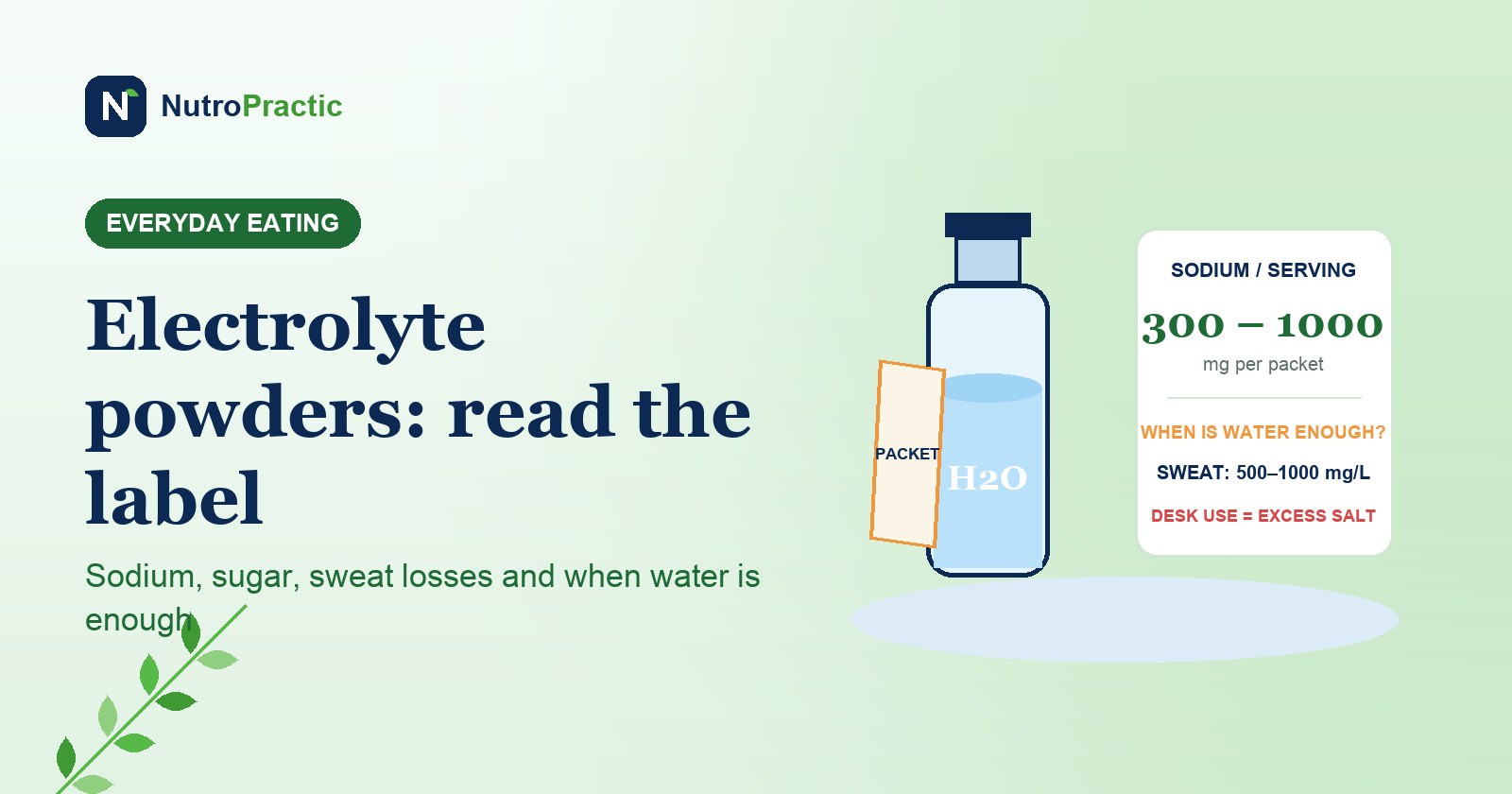
Everyday eating
Electrolyte powders: sodium and sugar per bottle, and when water is enough
Packets deliver 300 to 1,000 mg sodium and up to 11 g sugar. Here is how popular drink mixes compare with actual sweat losses—and who actually needs them.
10 Nov 2026
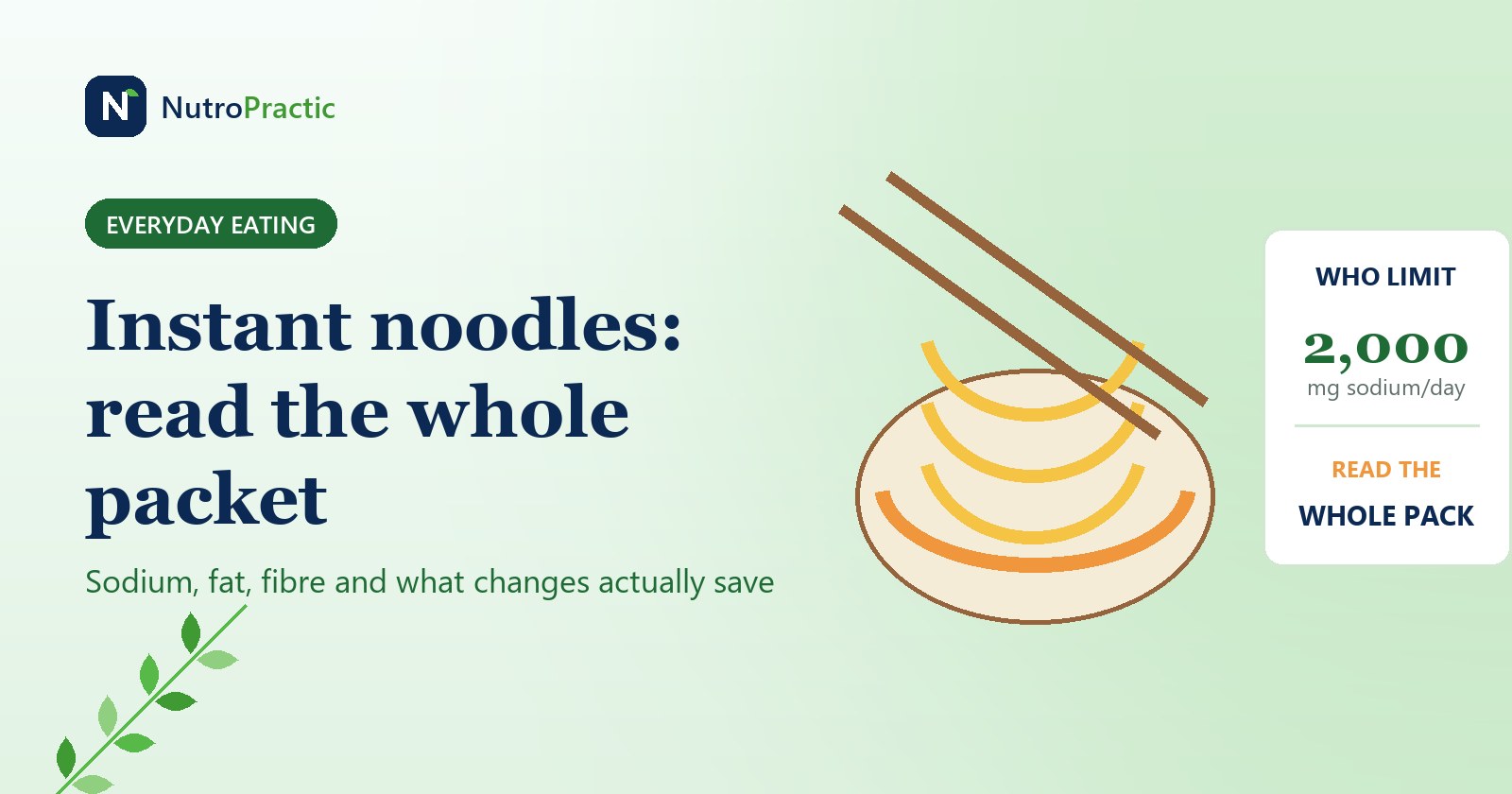
Everyday eating
Instant noodles: the sodium in the whole packet, and what actually reduces it
Three official labels range from 750 to 1,520 mg sodium per packet. Here is the whole-pack arithmetic, what the broth study measured, and how to turn noodles into a more complete meal.
6 Nov 2026
Newsfeed for your website
Want this feed on your website?
Add it to any site with one copy-and-paste snippet. No sign-up, and it updates itself every hour.
Start with a virtual consultation
Tell Dr. Triveni what you want to change. You will leave with a clear next step, whether you are in Toronto, London, New York or Chennai.