Kidney nutrition · November 9, 2026
Three diet texts a week cut sodium by 313 mg and dialysis-to-dialysis weight gain by 0.37 kg — protein and fibre fell too
The six-month KIDNEYTEXT trial found modest fluid-management gains in 130 people, alongside dietary changes that were not all desirable.
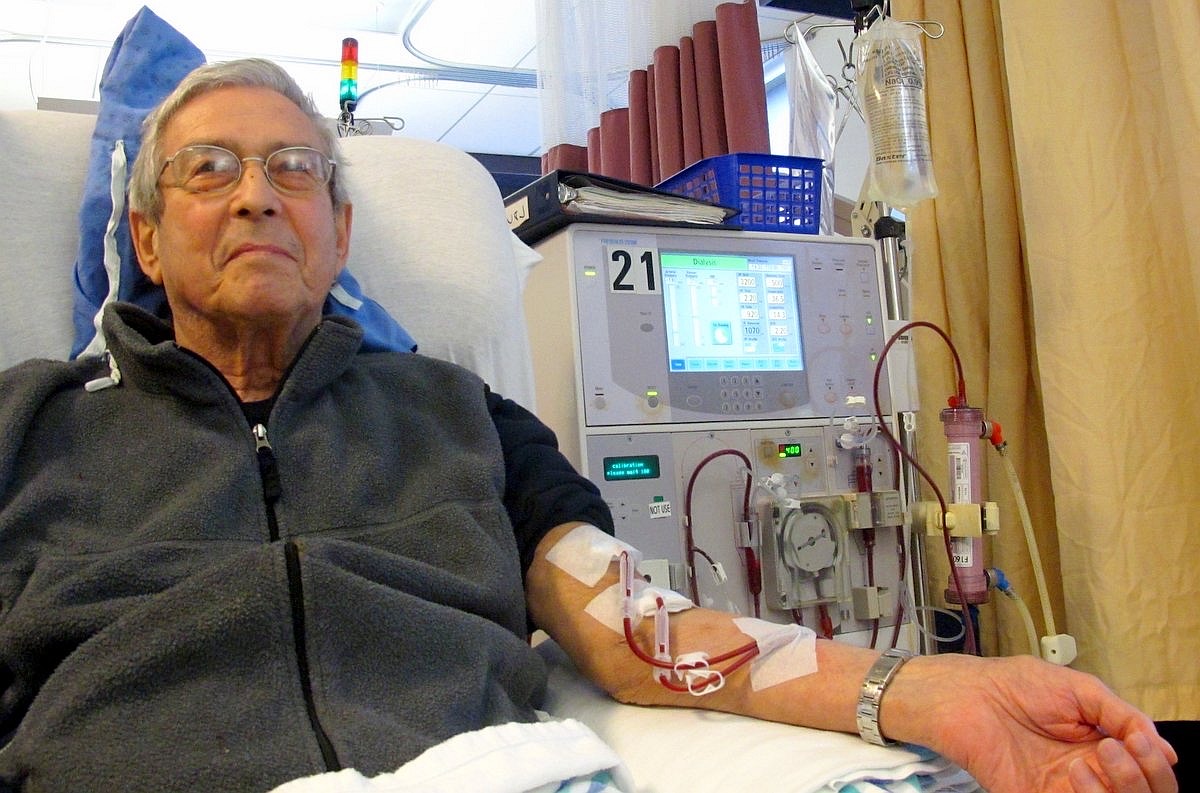
KIDNEYTEXT randomized 130 adults receiving maintenance haemodialysis at six Sydney units: 87 received usual care plus three semi-personalized diet text messages each week and 43 received usual care. This new secondary analysis examined detailed food recalls and fluid-related outcomes after six months; 115 participants completed the study.
Compared with usual care, the text group reduced sodium intake by an extra 313 mg a day and interdialytic weight gain by 0.37 kg per session. Eighty-eight percent met the target of gaining no more than 3.5% of body weight between sessions, versus 63% in the control group. Lower sodium and lower fluid gain fit together biologically because salt can increase thirst.
The dietary shifts were mixed. The intervention group also reported 13 g less protein, 3 g less fibre and one fewer vegetable serving per day relative to the control change. That matters because dialysis nutrition is individualized: avoiding excess sodium is useful, but inadequate energy or protein can worsen wasting. The trial was short, urban, English-language dependent and designed as a feasibility study, so texts should support rather than replace renal dietetic care.
Small messages, mixed dietary movement
130
Participants randomized; 115 completed six months
3/week
Semi-personalized diet text messages
−0.37 kg
Between-group difference in weight gained between dialysis sessions
−313 mg/day
Between-group difference in reported sodium change
88% vs 63%
Meeting the ≤3.5% interdialytic weight-gain target
Secondary analysis of a 2:1 randomized feasibility trial. Food intake was self-reported, and reductions in protein, fibre and vegetables show why a single favourable outcome is not the whole nutritional picture.
- Interdialytic weight gain is mostly fluid accumulated between haemodialysis sessions.
- Dialysis diets are not one-size-fits-all; potassium, phosphorus, sodium, fluid, protein and energy advice depends on laboratory results and clinical status.
- The original trial found no clear difference in its composite dietary-adherence outcome.
- One-way text messages can reach many people cheaply, but they cannot assess appetite, muscle loss or changing blood results.
- Dietary Behaviors of People Receiving Hemodialysis: Secondary Analyses From the KIDNEYTEXT TrialAmerican Journal of Kidney Diseases, 27 October 2026 · Primary secondary-analysis report; intervention, fluid and sodium results checked against the abstract. Trial sample and completion checked against the registered trial report.
- Patient receiving dialysis 03Wikimedia Commons · Anna Frodesiak; CC0 public-domain dedication; general illustration only.
General information, not medical advice. People receiving dialysis should follow the fluid, salt, potassium, phosphorus, protein and energy plan set by their renal team.
Analysis by NutroPractic from the sources listed. Written for general readers; it does not replace advice from your own doctor.
From our articles
Our guides on this subject
Plain-language guides on nutrition and wellness, backed by research.
Everyday eating
Eating well on a tight food budget: what the cost studies found, and the cheapest protein and fibre per dollar
Healthier diets cost about $1.48 a person a day more, according to a meta-analysis of 27 studies. What the USDA's Thrifty Food Plan costs in 2026, our price check of protein and fibre per dollar at September 2026 prices, why frozen and tinned vegetables are not second best, and a batch-cooked stew at $1.40 a serving.
20 Oct 2026
Heart and blood pressure
Beetroot juice and dietary nitrate: what the blood-pressure trials measured, and who should be careful
Drinking 250 ml of beetroot juice dropped clinic systolic blood pressure by 7.7 mmHg in 4-week clinical trials. Here is how tongue bacteria convert dietary nitrate to nitric oxide, why antiseptic mouthwash blocks it completely, and the oxalate kidney stone warning.
18 Nov 2026

Cardiovascular wellness
Psyllium husk: how much soluble fibre lowers LDL cholesterol and stabilizes post-meal glucose in clinical trials
Viscous soluble fibre forms a thick gel matrix in the small intestine that binds bile acids and blunts post-meal glucose spikes. Across dozens of randomized controlled trials, 7 to 10.2 grams of psyllium daily lowers LDL cholesterol by 6% to 12% without stripping HDL, while reducing postprandial glucose surges by 15% to 25% in metabolic syndrome and type 2 diabetes. Discover the bile acid sequestration mechanism, trial meta-analyses, exact timing before meals, water ratios, and titration protocols to avoid gas and cramping.
13 Nov 2026
Newsfeed for your website
Want this feed on your website?
Add it to any site with one copy-and-paste snippet. No sign-up, and it updates itself every hour.
Start with a virtual consultation
Tell Dr. Triveni what you want to change. You will leave with a clear next step, whether you are in Toronto, London, New York or Chennai.