Gut microbiome & autoimmune health · November 19, 2026
A ketogenic diet metabolite spurred gut bacteria to quiet autoimmune inflammation in mice
Research from UCSF discovered that the ketone body beta-hydroxybutyrate prompts the gut bacterium Lactobacillus murinus to release indole lactic acid, dampening inflammatory Th17 immune cells implicated in autoimmunity.
Very low-carbohydrate, high-fat ketogenic diets have garnered widespread interest for their reported capacity to calm autoimmune conditions, but the exact biological links connecting dietary fat metabolism, the intestinal microbiome, and systemic immune regulation have remained unclear. A study published in Cell Reports identified a direct host-microbe molecular axis responsible for this anti-inflammatory effect.
Researchers at the University of California, San Francisco examined murine models of autoimmune neuroinflammation (experimental autoimmune encephalomyelitis) subjected to ketogenic feeding. The study revealed that elevated systemic levels of the primary liver-derived ketone body, beta-hydroxybutyrate (beta-HB), triggered distinct functional changes within the resident gut microbial population.
Rather than acting as a non-specific antimicrobial agent, beta-HB specifically stimulated the intestinal bacterium Lactobacillus murinus to upregulate tryptophan metabolism. In response, the bacteria produced elevated amounts of indole-3-lactic acid (ILA), an aromatic metabolite that binds to immune receptors and directly suppresses the differentiation and proliferation of pro-inflammatory T helper 17 (Th17) cells.
Oral administration of either Lactobacillus murinus or pure indole lactic acid recapitulated the protective benefits of the ketogenic diet in mice, blunting autoimmune disease severity without necessitating dietary carbohydrate restriction. While human clinical trials are essential before clinical application, the research highlights how diet-induced host metabolites can instruct commensal bacteria to synthesize targeted immunosuppressive molecules.
Ketogenic metabolite signaling pathway and immune cell suppression
beta-HB
Key host ketone metabolite stimulating gut bacterial shifts
L. murinus
Intestinal bacterial species prompted to synthesize indole lactic acid
Th17
Pro-inflammatory helper T cells suppressed by bacterial metabolite ILA
ILA
Indole-3-lactic acid, the downstream tryptophan-derived protective molecule
Mechanistic and preclinical study in animal and cell models demonstrating that diet-induced ketone production mediates microbiome-dependent immune suppression.
- Beta-hydroxybutyrate is synthesized in the liver from fatty acids during periods of prolonged fasting or carbohydrate restriction.
- T helper 17 (Th17) cells normally protect against mucosal fungal and bacterial infections but turn destructive when chronically hyperactivated in autoimmune diseases.
- Indole lactic acid is an aromatic microbial metabolite produced when specialized lactic acid bacteria break down dietary tryptophan.
- Microbial metabolites like short-chain fatty acids and indoles serve as crucial chemical messengers between gut bacteria and human immune receptors.
- A diet-dependent host metabolite shapes the gut microbiota to protect from autoimmunityCell Reports / Cell Press · Preclinical experimental trial led by UCSF. Published November 2026.
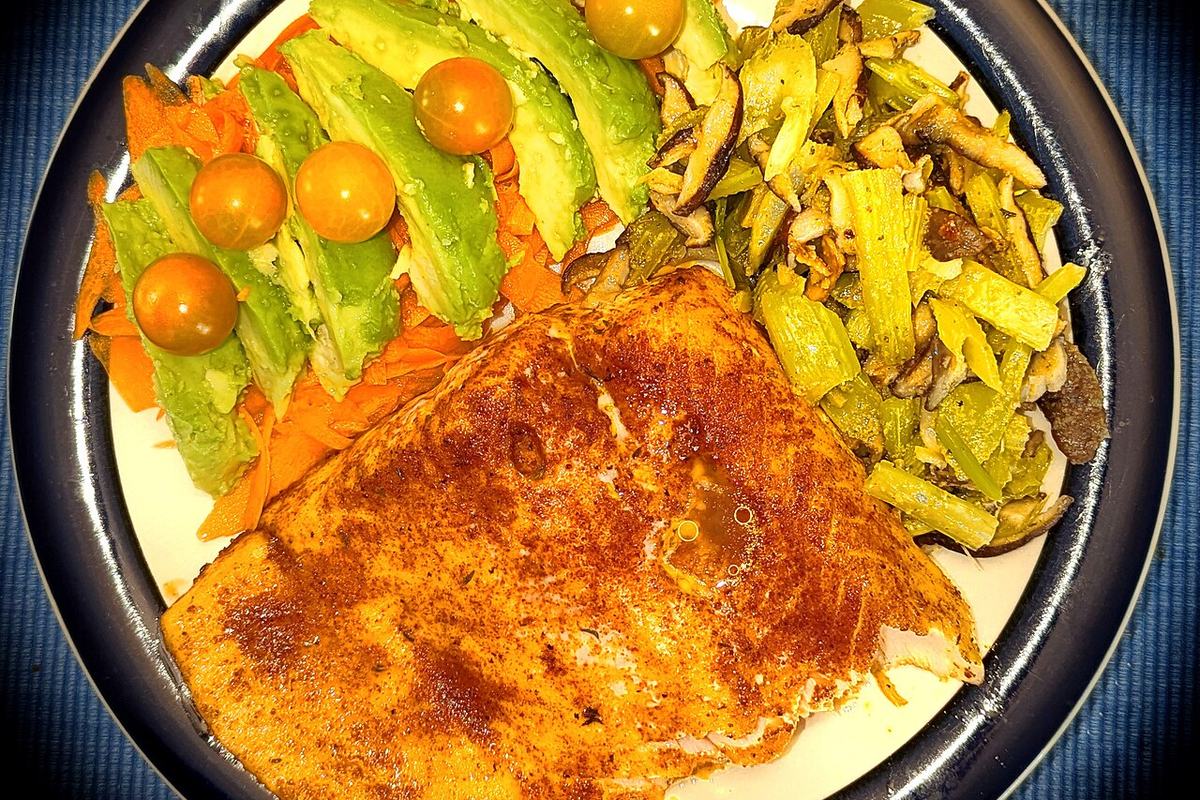
- Cherry tomatoes and avocado on carrots, with celery and mushrooms, plus salmonWikimedia Commons · Photo by Daderot, CC0 public domain dedication.
Preclinical experimental research summary, not medical guidance. Patients diagnosed with autoimmune conditions should consult their healthcare provider before undertaking restrictive ketogenic diets.
Analysis by NutroPractic from the sources listed. Written for general readers; it does not replace advice from your own doctor.
From our articles
Our guides on this subject
Plain-language guides on nutrition and wellness, backed by research.

Gut health
Probiotic capsules: which ones have trial evidence, what they can do, and when to skip them
Children on antibiotics: 8% got diarrhoea with a probiotic, 19% without. Older hospital patients: 10.8% with, 10.4% without. Which capsules have evidence, what three guidelines say about IBS, what a course costs per case prevented, and who shouldn't take them.
2 Nov 2026
Gut health
Gluten-free without coeliac disease: who actually benefits, and what the blinded gluten challenges found
In blinded trials only 16% of people who said gluten made them ill reacted to gluten rather than placebo, and in Oslo fructans caused more bloating than gluten. Who really needs to avoid it, how to get tested before you stop, how much gluten is in a slice of bread or a roti, and what gluten-free food costs (159% more in the UK) and lacks.
1 Nov 2026
Gut health
Lactose intolerance: how much milk most people can actually tolerate, and which dairy is easiest
Most adults who don't digest lactose well still handle about 12 g at once, roughly a 250 ml glass of milk, in blinded trials. What the 12 g studies found, a lactose table for milk, yoghurt, cheese, chai and dahi, how lactase tablets and A2 milk compare, why the famous 68% figure was retracted, and how to keep calcium up if you cut back.
25 Oct 2026
Newsfeed for your website
Want this feed on your website?
Add it to any site with one copy-and-paste snippet. No sign-up, and it updates itself every hour.
Start with a virtual consultation
Tell Dr. Triveni what you want to change. You will leave with a clear next step, whether you are in Toronto, London, New York or Chennai.