Gut microbiome & prebiotics · November 23, 2026
Polysaccharides from edible Japanese seaweeds act as prebiotics to boost Akkermansia, short-chain fats, and mucosal IgA
Dietary fibers from traditional seaweeds like egonori and akamoku significantly enriched beneficial gut microbes such as Akkermansia and Alloprevotella while boosting protective short-chain fatty acids and secretory IgA in translational models.
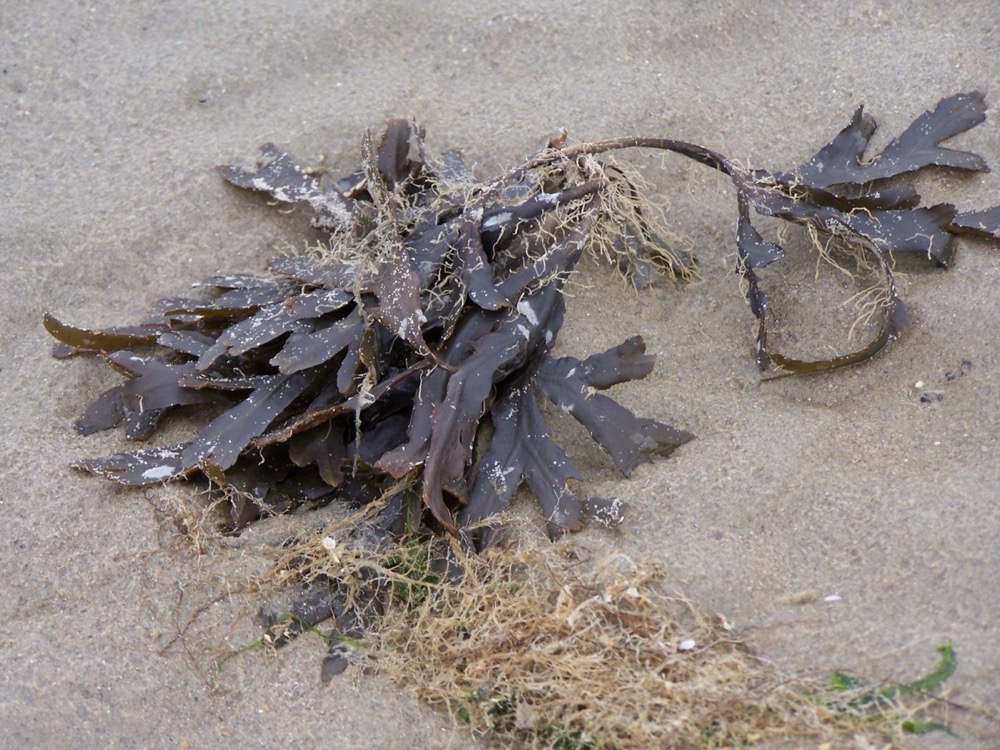
The traditional Japanese diet (Washoku) has long been celebrated for its epidemiological association with exceptional life expectancy and low rates of cardiovascular disease. Edible marine macroalgae—seaweeds consumed daily in broths, salads, and side dishes—represent a dense source of sulfated polysaccharides, alginates, fucoidans, and laminarins that resist digestion in the upper gastrointestinal tract, arriving intact in the colon where they encounter the gut microbiome.
In a translational study published in Nutrients, Japanese researchers evaluated the prebiotic potential of three culturally prominent edible seaweeds: Campylaephora hypnaeoides (Egonori), Sargassum horneri (Akamoku), and Gloiopeltis furcata (Fukori). In animal feeding experiments, mice were fed diets containing 5% powdered seaweed by weight for 8 weeks, while parallel open-label human pilot cohorts consumed prepared seaweed foods to monitor fecal microbial shifts and metabolic outputs.
High-throughput 16S rRNA gene sequencing revealed that seaweed consumption dynamically restructured the gut microbial architecture. Most prominently, the relative abundance of Akkermansia muciniphila—a specialized mucin-degrading bacterium linked to metabolic health, insulin sensitivity, and gut barrier integrity—expanded substantially, accompanied by sharp increases in Alloprevotella and Faecalibaculum, while potential pro-inflammatory taxa decreased.
This taxonomic shift sparked functional biochemical changes: fecal short-chain fatty acids (SCFAs), particularly acetate, propionate, and butyrate, climbed dramatically in response to seaweed polysaccharide fermentation. Concurrently, concentrations of secretory immunoglobulin A (IgA)—the primary antibody governing intestinal mucosal defense—rose significantly, indicating enhanced mucosal immunity. The authors concluded that seaweed polysaccharides function as distinct marine prebiotics capable of reinforcing metabolic and barrier defenses.
Translational study of prebiotic Japanese seaweed polysaccharides
3 species
edible seaweeds evaluated (Campylaephora, Sargassum, Gloiopeltis)
Akkermansia
marked expansion of gut-barrier-protecting bacteria
Acetate & Butyrate
multi-fold elevation in fecal short-chain fatty acids
Secretory IgA
significant increase in gut mucosal immune antibody defense
Original research published in Nutrients (Vol. 18, Issue 22, November 2026).
- Akkermansia muciniphila lives directly within the mucus layer lining the colon, stimulating the gut lining to continuously refresh and thicken its mucosal protective coating.
- Brown seaweeds like Sargassum horneri (Akamoku) are exceptionally rich in fucoidan, a complex sulfated polysaccharide with antiviral and immunomodulatory properties.
- Humans generally lack endogenous carbohydrate-active enzymes to digest algal polysaccharides, depending entirely on symbiotic bacterial enzymes (such as porphyranases) acquired through dietary exposure.
- Japanese Edible Seaweeds Modulate the Gut Microbiota in Mice and Humans: Prebiotic Effects of Seaweed PolysaccharidesNutrients · Open-access research paper published November 2026.
- File:Seaweed.jpgWikimedia Commons · Photo by Daderot, CC0 public domain.
Educational summary of nutrition research, not personal medical advice. Speak to your doctor or dietitian before changing your diet or supplements, especially if you are pregnant, take medicines or have a medical condition.
Analysis by NutroPractic from the sources listed. Written for general readers; it does not replace advice from your own doctor.
From our articles
Our guides on this subject
Plain-language guides on nutrition and wellness, backed by research.

Gut health
Fibermaxxing without the bloat: a two-week plan that adds 4 grams at a time
Going from 15 grams of fibre to 40 overnight is how most people end up bloated by Wednesday and back on white toast by Friday. What the bean studies and an MRI trial show about gas, and a 14-day ramp that gets you to about 30 grams with a quiet gut.
10 Oct 2026
Gut health
Fermented foods and your gut: what one Stanford trial found, and which jars still have anything alive in them
In a 10-week Stanford trial, about six servings a day of yogurt, kefir, kimchi and kombucha made gut bacteria more diverse and lowered 19 inflammation markers. A high-fibre diet didn't, at least not in 10 weeks. What that does and doesn't prove, why your sourdough and shelf-stable sauerkraut don't count, and an easy way to eat more of the real thing.
8 Oct 2026

Gut health
Probiotic capsules: which ones have trial evidence, what they can do, and when to skip them
Children on antibiotics: 8% got diarrhoea with a probiotic, 19% without. Older hospital patients: 10.8% with, 10.4% without. Which capsules have evidence, what three guidelines say about IBS, what a course costs per case prevented, and who shouldn't take them.
2 Nov 2026
Newsfeed for your website
Want this feed on your website?
Add it to any site with one copy-and-paste snippet. No sign-up, and it updates itself every hour.
Start with a virtual consultation
Tell Dr. Triveni what you want to change. You will leave with a clear next step, whether you are in Toronto, London, New York or Chennai.