Carbohydrate metabolism & gut ecology · November 19, 2026
High-glycemic desserts triggered rapid 24-hour drops in beneficial gut bacteria in healthy adults
In a randomized controlled trial of 30 healthy adults, consuming high-glycemic index desserts caused acute shifts in gut microbiota within 24 hours, depleting beneficial Bifidobacterium while total sugar intake correlated inversely with protective Lactobacillus populations.
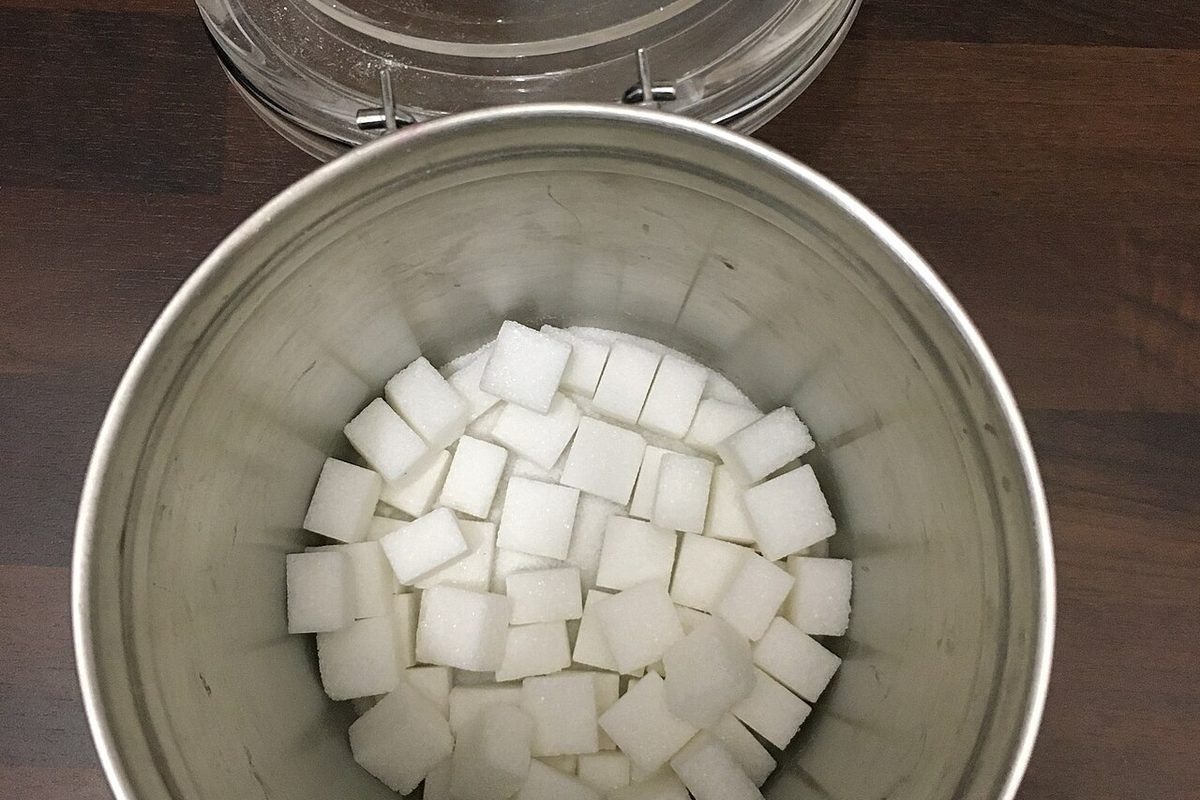
While long-term dietary patterns are widely recognized as primary architects of human gut microbial composition, less is understood regarding how rapidly acute, single-meal glycemic loads alter the luminal intestinal environment. Sweets and desserts high in refined carbohydrates and simple sugars induce swift postprandial glucose excursions, which may selectively influence microbial fermentation and bacterial competitive dynamics in the colon.
A parallel randomized controlled trial published in Nutrients investigated the acute 24-hour microbiological impact of traditional desserts categorized by Glycemic Index (GI). The study randomized 30 healthy adult volunteers aged 18 to 45 into three distinct dietary intervention arms, each consuming an identical standardized breakfast paired with either a low-GI dessert (custard cake), a medium-GI dessert (curry puff), or a high-GI dessert (crispy rice cracker).
Fecal specimens were collected immediately prior to the meal and precisely 24 hours following consumption. Investigators conducted high-throughput 16S rRNA gene sequencing to characterize shifts in microbial alpha diversity, taxonomic relative abundance, and biomarker associations with quantified nutritional and sugar intake.
The microbiological analyses revealed that consuming high-GI, sugar-dense treats prompted rapid compositional changes within 24 hours. Participants in the high-GI cohort exhibited noticeable reductions in the relative abundance of beneficial Actinobacteria, specifically Bifidobacterium and Collinsella, alongside selective enrichment of Klebsiella. Furthermore, total dietary sugar intake demonstrated a significant inverse correlation with protective Lactobacillus abundance, underscoring that even short-term surges in refined glycemic carbohydrates can acutely perturb beneficial gut commensals.
Microbial abundance changes 24 hours post-dessert consumption across glycemic index tiers
30
Healthy adult volunteers completed the randomized dietary intervention
24 hours
Postprandial fecal microbiome tracking window using 16S rRNA sequencing
-Bifido
Drop in relative abundance of beneficial Bifidobacterium on high-GI foods
-Lacto
Significant negative correlation between total sugar intake and Lactobacillus
Parallel randomized controlled trial. Acute intake of high-glycemic, sugar-dense foods rapidly perturbed commensal gut bacterial communities within a single day.
- The Glycemic Index (GI) rates carbohydrate-containing foods from 0 to 100 based on the rate and magnitude of blood glucose elevation following consumption.
- Bifidobacterium is an essential genus of beneficial gut anaerobes that ferments dietary oligosaccharides into acetate and lactate, maintaining a protective acidic colon pH.
- When consumed in large amounts, refined sugars can saturate small intestine enzymatic capacity, spilling over into the proximal colon and altering bacterial metabolism.
- While acute microbial fluctuations after a single meal can be transient, habitual high-GI diets are associated with persistent loss of microbial diversity.
- Sugar Composition of Thai Desserts and Their Impact on the Gut Microbiome in Healthy Volunteers: A Randomized Controlled TrialNutrients / MDPI · Randomized controlled trial in 30 healthy volunteers. Published November 2026.
- Open tin with sugar cubesWikimedia Commons · Photo by Pittigrilli, CC BY 4.0.
Nutritional microbiology research summary, not clinical advice. Individuals seeking to support gut microbial health should emphasize fiber-rich whole foods and moderate intake of refined sugars.
Analysis by NutroPractic from the sources listed. Written for general readers; it does not replace advice from your own doctor.
From our articles
Our guides on this subject
Plain-language guides on nutrition and wellness, backed by research.

Cardiovascular wellness
Psyllium husk: how much soluble fibre lowers LDL cholesterol and stabilizes post-meal glucose in clinical trials
Viscous soluble fibre forms a thick gel matrix in the small intestine that binds bile acids and blunts post-meal glucose spikes. Across dozens of randomized controlled trials, 7 to 10.2 grams of psyllium daily lowers LDL cholesterol by 6% to 12% without stripping HDL, while reducing postprandial glucose surges by 15% to 25% in metabolic syndrome and type 2 diabetes. Discover the bile acid sequestration mechanism, trial meta-analyses, exact timing before meals, water ratios, and titration protocols to avoid gas and cramping.
13 Nov 2026
Diabetes
Sourdough and blood sugar: what the glucose tests found against white and wholemeal bread
Sourdough did not beat white bread on average in a 20-person crossover trial, and half responded better to white. A trial-by-trial look at fermentation, flour, portions, GI and how to test your own loaf fairly.
6 Nov 2026
Diabetes
Vinegar before meals: what the trials measured on blood sugar, and how much is enough
Two teaspoons to a tablespoon with a starchy meal trims the glucose peak at 30 minutes, and the gap fades by two hours. HbA1c reviews range from -0.39 to -1.53, and we explain which to trust. Two gummies hold about 50 mg of acetic acid against 750 mg in a tablespoon.
5 Nov 2026
Newsfeed for your website
Want this feed on your website?
Add it to any site with one copy-and-paste snippet. No sign-up, and it updates itself every hour.
Start with a virtual consultation
Tell Dr. Triveni what you want to change. You will leave with a clear next step, whether you are in Toronto, London, New York or Chennai.