Geriatric nutrition & longevity · November 20, 2026
Global GLIM nutrition criteria accurately caught 10-year mortality and quality-of-life drops in 2,477 older adults
A landmark analysis from the Singapore Longitudinal Aging Study confirmed that diagnosing malnutrition using standardized Global Leadership Initiative on Malnutrition (GLIM) criteria strongly predicted 10-year mortality and physical decline in community-living seniors.
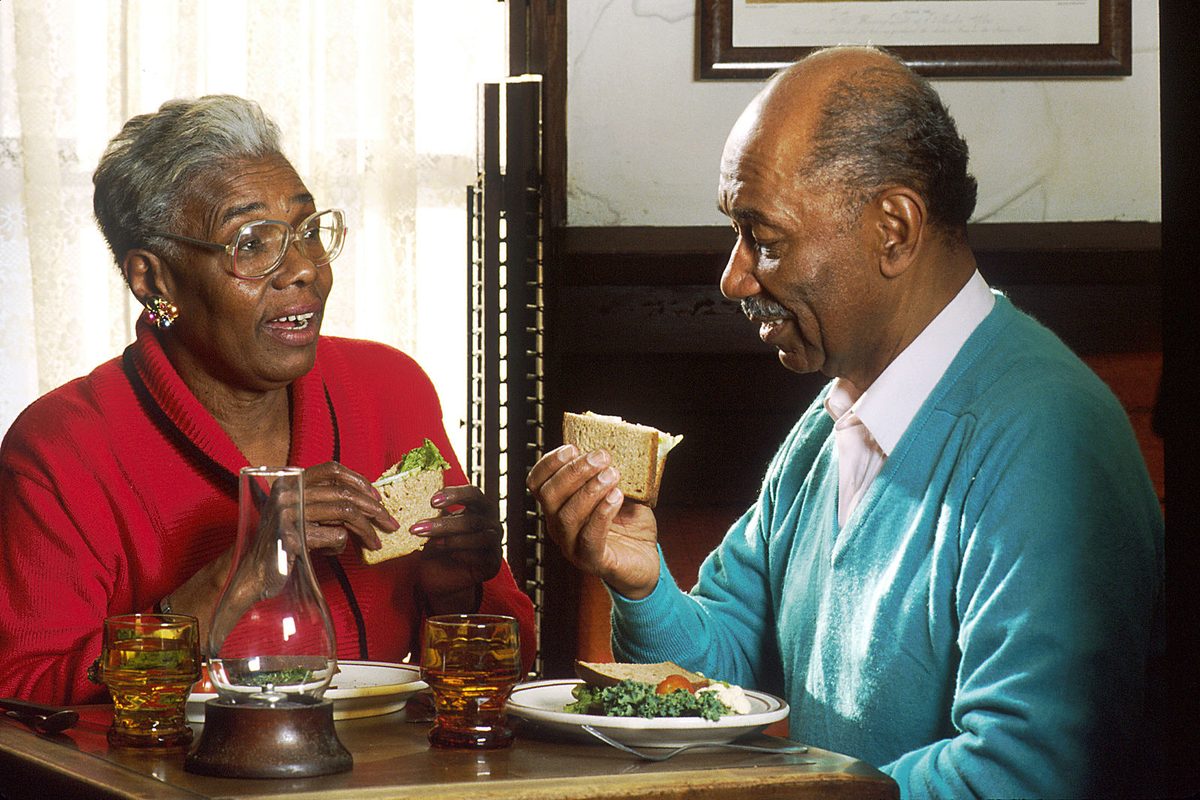
Community-dwelling older adults frequently experience insidious nutritional deficits that escape standard screening, yet can precipitate frailty, functional dependency, and premature mortality. In 2018, leading international clinical nutrition societies established the Global Leadership Initiative on Malnutrition (GLIM) consensus framework, requiring at least one phenotypic criterion (weight loss, low BMI, or reduced muscle mass) and one etiologic criterion (reduced intake/assimilation or disease burden/inflammation).
To rigorously evaluate whether GLIM diagnoses hold predictive power over a full decade, researchers analyzed 2,477 community-dwelling adults aged 55 and older from the Singapore Longitudinal Aging Study (SLAS-2). The team tested both single-step direct application and two-step screening protocols using the Mini Nutritional Assessment Short-Form (MNA-SF) and the Elderly Nutritional Index for Geriatric Malnutrition Assessment (ENIGMA).
Compared against comprehensive full-form MNA diagnostic assessments, GLIM criteria demonstrated high concurrent validity and robust construct integrity. More importantly, participants diagnosed with malnutrition under GLIM experienced significantly greater declines in physical health-related quality of life and faced elevated 10-year all-cause mortality hazard ratios after adjusting for age, sex, and baseline chronic comorbidities.
The findings confirm that the GLIM consensus criteria provide clinicians and community health practitioners with a sensitive, reliable instrument to identify vulnerable older adults before severe physical decompensation occurs, supporting timely dietary and protein-support interventions.
Validation and prognostic performance of GLIM criteria in the SLAS-2 cohort
2,477
Community-dwelling older adults followed longitudinally in SLAS-2
10 years
Prospective follow-up duration assessing quality of life and mortality
GLIM
Global Leadership Initiative on Malnutrition phenotypic/etiologic framework
Predictive
Significantly elevated 10-year mortality risk identified in malnourished seniors
Longitudinal cohort validation of international malnutrition diagnostic consensus criteria in Singapore.
- The GLIM framework was jointly established by ASPEN, ESPEN, FELANPE, and PENSA to build global consensus on malnutrition diagnosis.
- Phenotypic criteria in GLIM require objective documentation of involuntary weight loss, low body mass index, or diminished skeletal muscle mass.
- Etiologic criteria assess whether inadequate food intake, malabsorption, or acute/chronic disease-associated inflammation is driving nutrient loss.
- Sarcopenia and protein-energy malnutrition often develop in older adults without obvious reductions in total body weight if fluid retention or adiposity masks muscle loss.
- Evaluating the Diagnosis of Malnutrition Based on Global Leadership Initiative on Malnutrition (GLIM) Criteria in Community-Dwelling Older Adults (Singapore Longitudinal Aging Study)Nutrients / MDPI · Longitudinal cohort study of 2,477 community-dwelling older adults evaluating 10-year mortality and validity. Published November 2024.
- Elderly Couple EatingWikimedia Commons · Photo by Bill Branson, public domain dedication.
Clinical epidemiology summary. Nutritional screening in older adults should be conducted using validated instruments in clinical or community settings.
Analysis by NutroPractic from the sources listed. Written for general readers; it does not replace advice from your own doctor.
From our articles
Our guides on this subject
Plain-language guides on nutrition and wellness, backed by research.
Medicines and nutrition
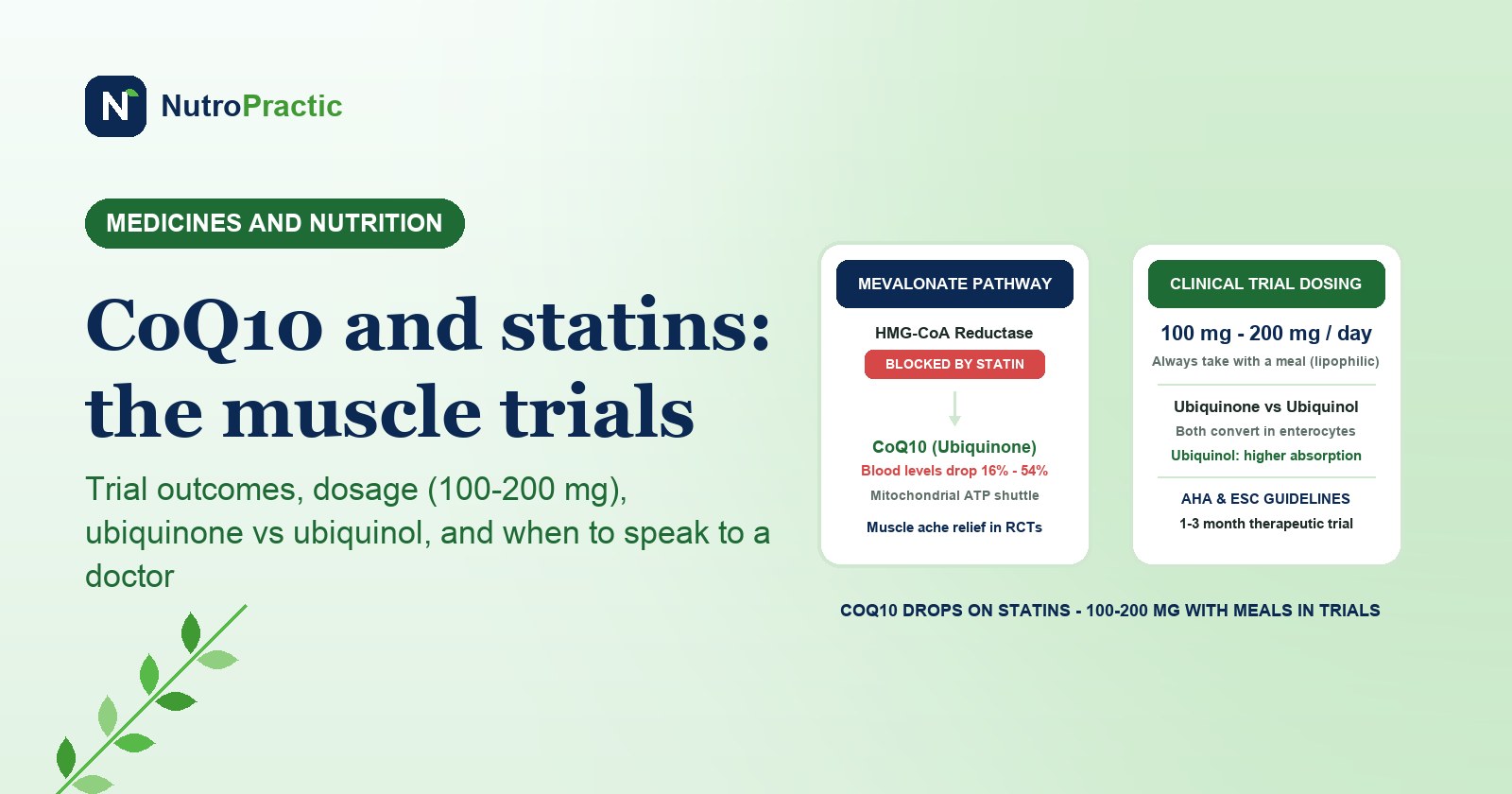
CoQ10 and statins: what the muscle symptom trials found, and who might benefit
Statin-associated muscle symptoms lead up to 30% of patients to discontinue life-saving cholesterol therapy. While statins deplete circulating CoQ10 by 16% to 54%, randomized clinical trials show mixed results for myalgia relief. Explore the trials, ubiquinone vs ubiquinol bioavailability, recommended doses, and clinical guideline recommendations.
14 Nov 2026

Women's wellness and nutrition
Creatine for women: cognitive performance, menstrual cycle phases, and bone density beyond muscle building
Creatine is widely stereotyped as a bodybuilding supplement for men, but female physiology tells a very different story. Women exhibit 70% to 80% lower endogenous creatine stores, reduced dietary intake, and cyclical fluctuations in brain creatine kinase across the follicular and luteal phases. Robust clinical trials demonstrate that 3 to 5 grams of daily creatine monohydrate enhances cognitive performance during sleep deprivation, augments clinical response in unipolar depression, preserves femoral neck bone geometry in postmenopausal women, and causes cellular intracellular hydration rather than subcutaneous bloating.
13 Nov 2026
Healthy ageing
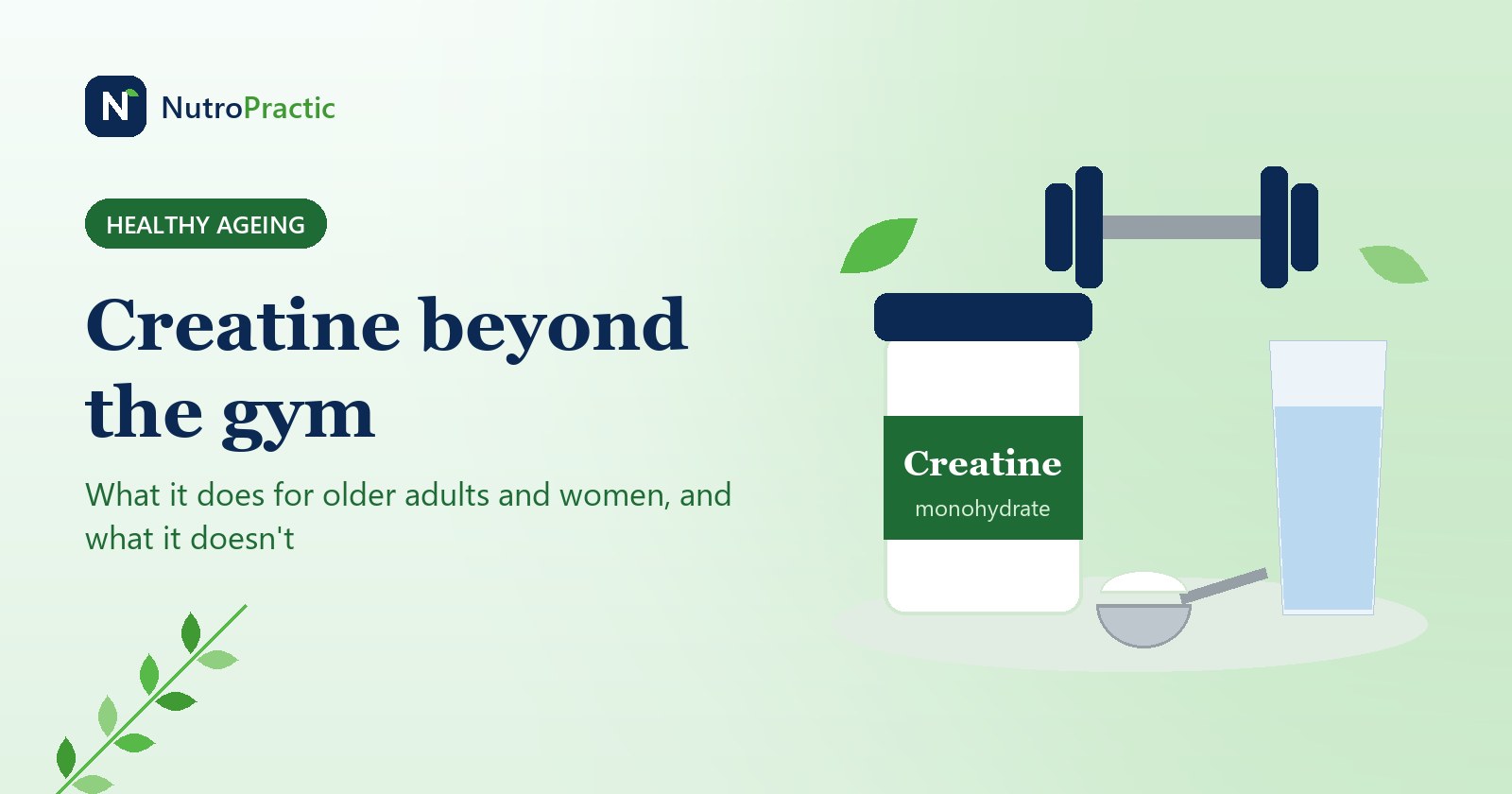
Creatine beyond the gym: what it does for older adults and women, and what it doesn't
Across 22 trials, adults in their late fifties to seventies who took creatine while doing resistance training gained about 1.4 kg more lean mass than those who trained without it. Two two-year trials found it did nothing for bone density after menopause. Where the evidence is solid, where it's early (memory, short nights), how much to take, and who should leave it alone.
10 Oct 2026
Newsfeed for your website
Want this feed on your website?
Add it to any site with one copy-and-paste snippet. No sign-up, and it updates itself every hour.
Start with a virtual consultation
Tell Dr. Triveni what you want to change. You will leave with a clear next step, whether you are in Toronto, London, New York or Chennai.