Public health nutrition & consumer behavior · November 19, 2026
Black octagon warning labels led shoppers to shun high-sugar and high-salt foods in a 2,198-consumer supermarket trial
A randomized controlled trial across supermarkets in Kenya revealed that front-of-pack warning labels drastically improved consumers' ability to detect excess sugar, sodium, and saturated fat, with black octagonal stop signs showing the highest deterrence against unhealthy purchases.
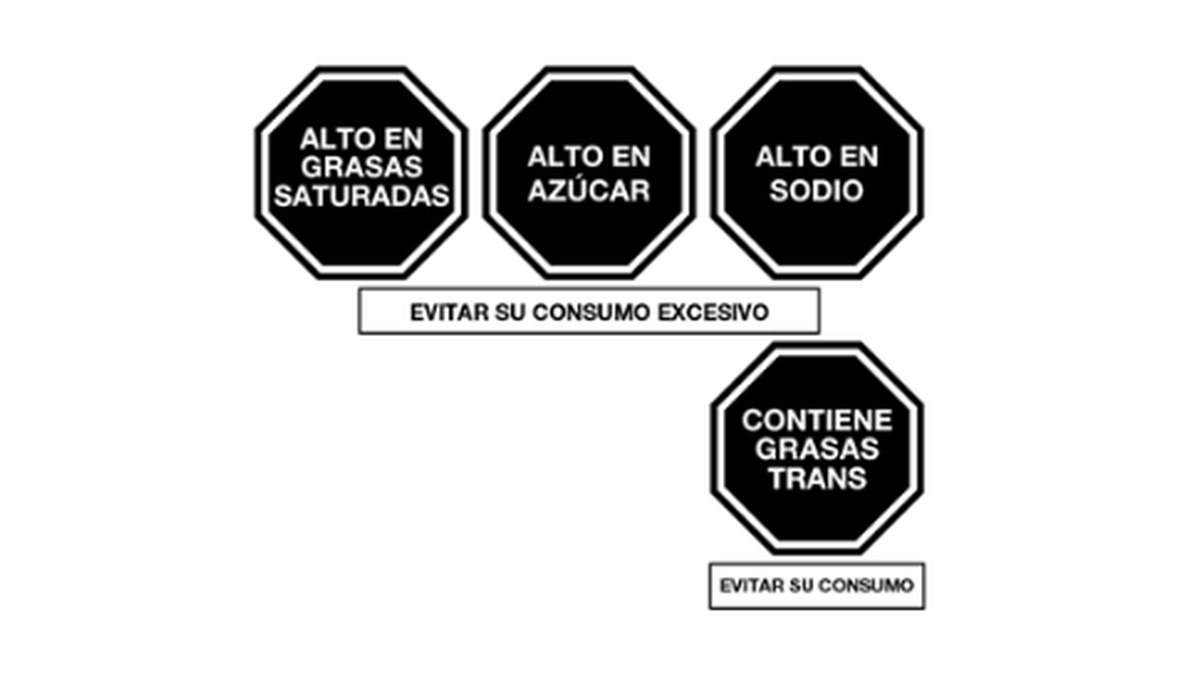
The rapid commercial expansion of ultra-processed, energy-dense packaged foods across low- and middle-income nations has triggered a severe surge in diet-related non-communicable diseases, including hypertension, type 2 diabetes, and cardiovascular complications. Standard back-of-pack nutrient tables are frequently technical and difficult to interpret under normal shopping conditions, prompting public health authorities to explore bold, front-of-pack warning labels (FOPLs).
A randomized controlled trial published in Nutrients assessed the comparative efficacy of three front-of-pack labeling systems in guiding consumer awareness and purchasing intent. Researchers recruited 2,198 adult supermarket shoppers across major urban and regional retail centers in Kenya, randomly assigning participants to evaluate pre-packaged products carrying either: a Red and Green Octagon (RG), a Red and Green Octagon with explanatory icons (RGI), a high-contrast Black Octagon Warning label (WL), or standard packaging without front-of-pack labels.
Shoppers evaluated commonly purchased packaged items spanning breakfast cereals, savory snacks, dairy desserts, and beverages. The primary trial outcomes measured the participants' objective ability to correctly identify products containing excessive critical nutrients of concern—specifically added sugars, sodium, and saturated fats—as well as self-reported prospective purchasing intentions.
All three front-of-pack label systems produced statistically significant improvements in consumer nutrient identification compared to unlabelled control packages. However, the black octagonal warning label demonstrated the strongest performance, yielding the highest accuracy in identifying critical nutrients and the most pronounced reduction in purchase intent for nutrient-poor products. The authors emphasize that mandatory, high-contrast interpretive warning labels represent an essential, scalable policy tool for curtailing chronic lifestyle disease epidemics.
Consumer comprehension and purchase intention shifts across front-of-pack label formats
2,198
Supermarket shoppers randomized across testing arms in Kenya
3
Front-of-pack label designs compared against standard no-label packaging
+Accuracy
Significant increase in identifying excess sugar, sodium, and saturated fats
-Unhealthy
Sharpest reduction in purchase intention observed with black octagons
Randomized controlled trial in supermarket environments. Interpretive front-of-pack warning labels markedly improved shopper awareness and discouraged purchases of ultra-processed items.
- Nutrients of concern—free sugars, saturated fats, and sodium—are identified by the World Health Organization as key dietary drivers of premature cardiovascular mortality.
- Interpretive warning labels utilize symbols and color cues to convey health risks immediately without requiring mathematical calculations.
- Chile pioneered mandatory black octagon warning labels in 2016, leading to nationwide reductions in household sugar and sodium purchases.
- Shoppers spend an average of less than six seconds evaluating a food product before making a retail purchasing decision.
- Effectiveness of Three Front-of-Pack Food Labels in Guiding Consumer Identification of Nutrients of Concern and Purchase Intentions in Kenya: A Randomized Controlled TrialNutrients / MDPI · Randomized controlled trial in 2,198 consumers across retail supermarkets. Published November 2026.
- Black octagonal warning labels in PeruWikimedia Commons · Public domain official government graphic by Ministerio de Salud del Perú.
Public health nutrition and behavioral science summary, not individualized dietary instruction. Consumers are encouraged to examine ingredient lists and nutrition facts panels when selecting packaged foods.
Analysis by NutroPractic from the sources listed. Written for general readers; it does not replace advice from your own doctor.
From our articles
Our guides on this subject
Plain-language guides on nutrition and wellness, backed by research.
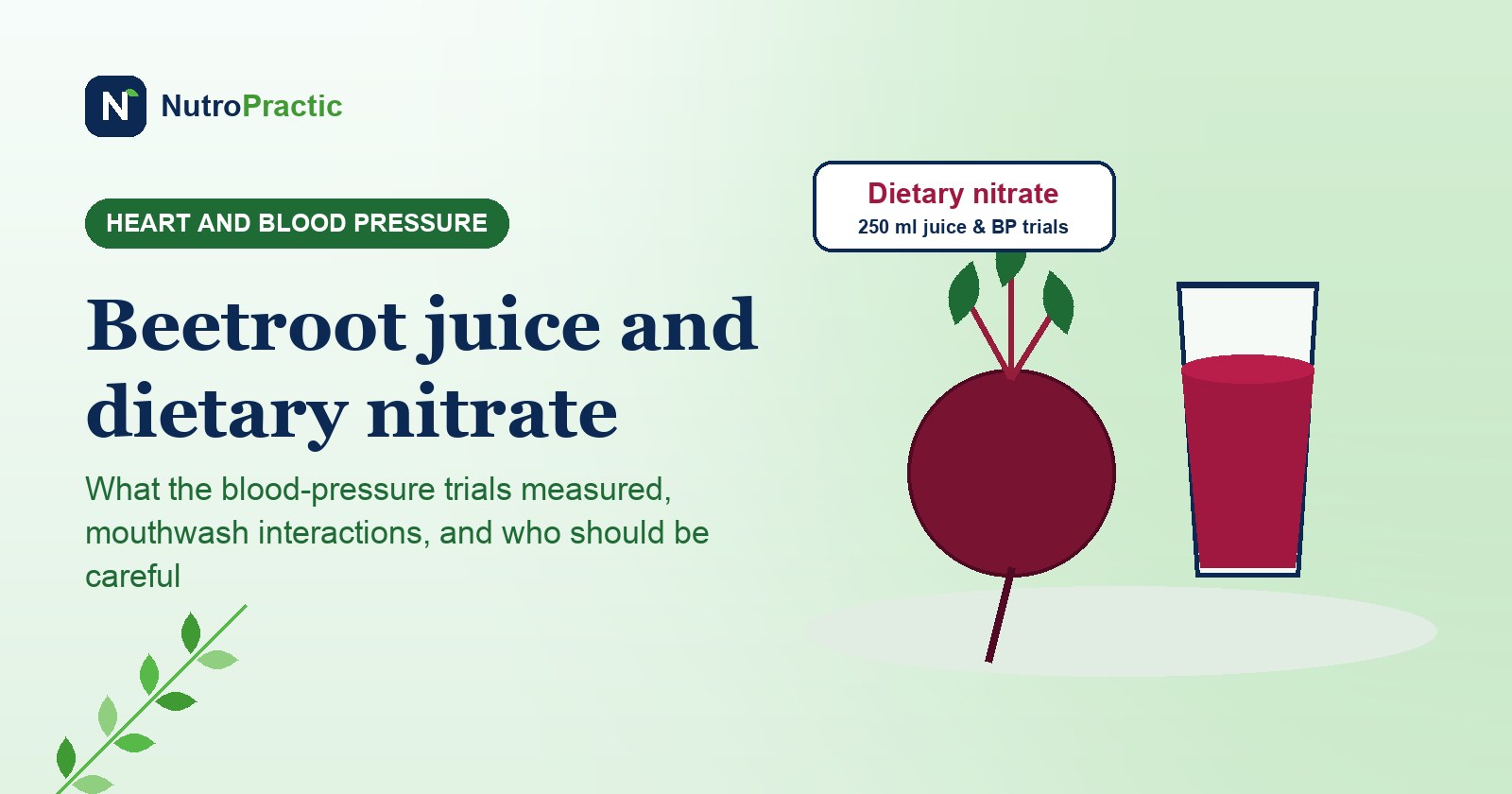
Heart and blood pressure
Beetroot juice and dietary nitrate: what the blood-pressure trials measured, and who should be careful
Drinking 250 ml of beetroot juice dropped clinic systolic blood pressure by 7.7 mmHg in 4-week clinical trials. Here is how tongue bacteria convert dietary nitrate to nitric oxide, why antiseptic mouthwash blocks it completely, and the oxalate kidney stone warning.
18 Nov 2026
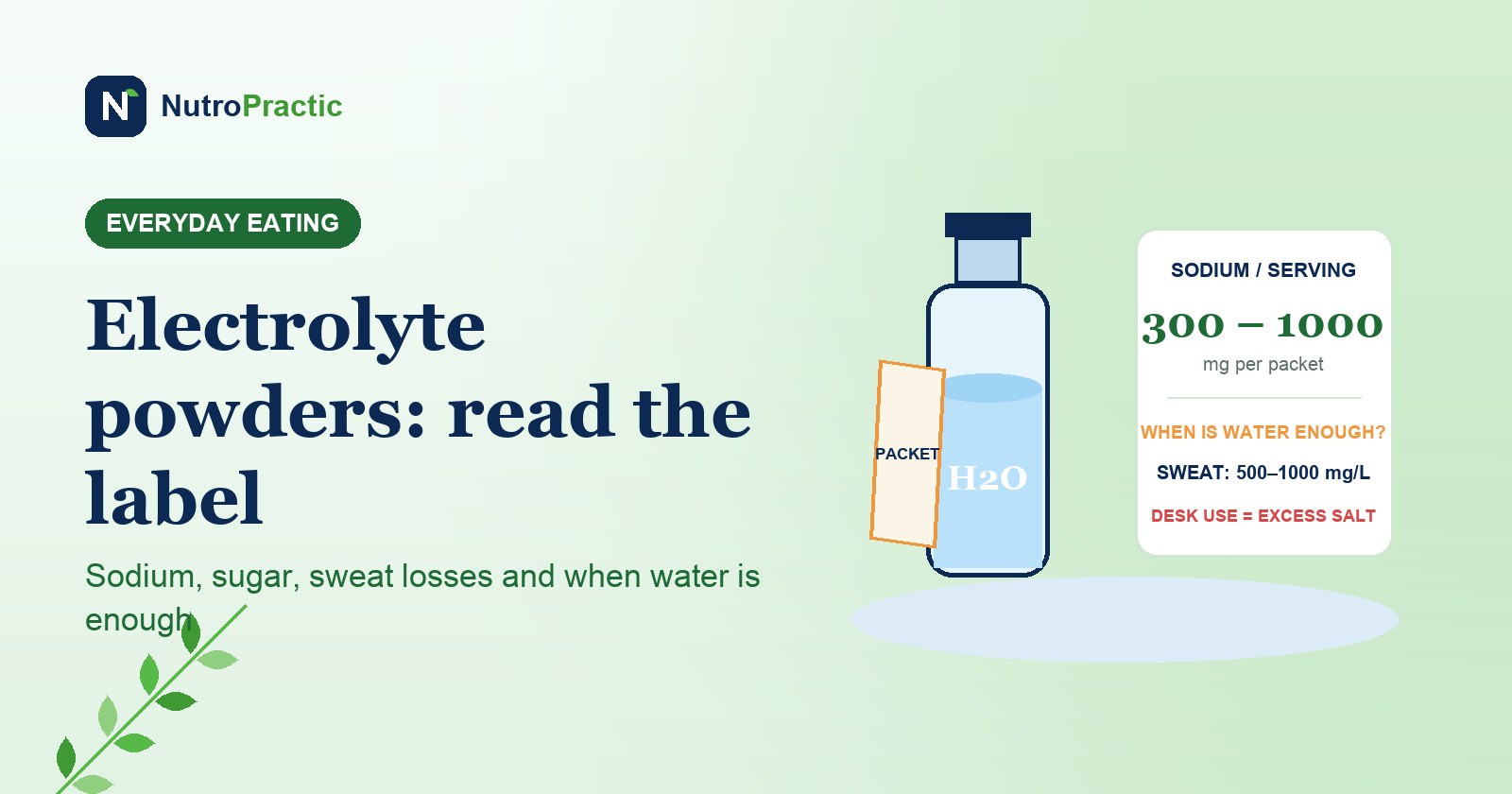
Everyday eating
Electrolyte powders: sodium and sugar per bottle, and when water is enough
Packets deliver 300 to 1,000 mg sodium and up to 11 g sugar. Here is how popular drink mixes compare with actual sweat losses—and who actually needs them.
10 Nov 2026
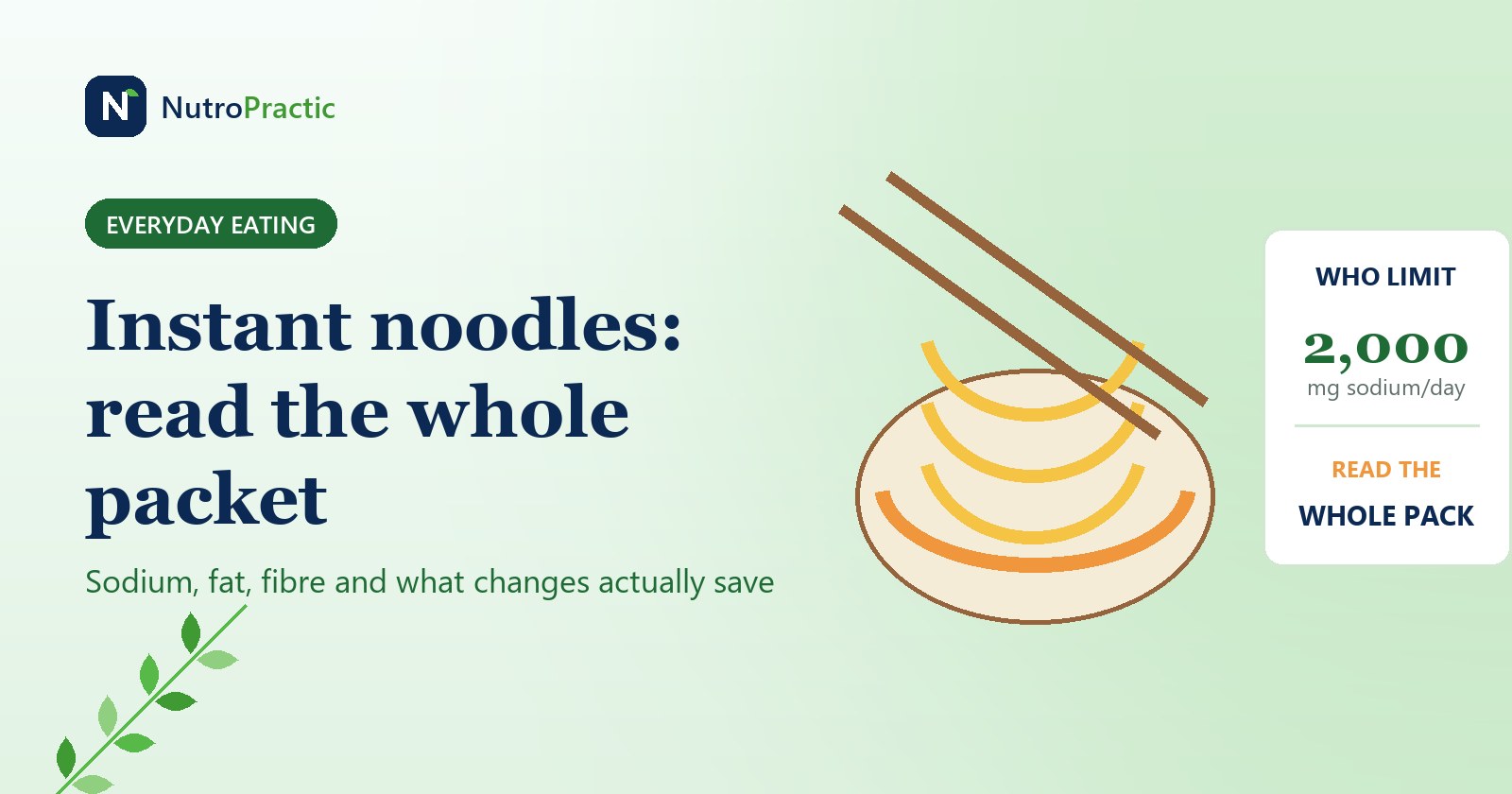
Everyday eating
Instant noodles: the sodium in the whole packet, and what actually reduces it
Three official labels range from 750 to 1,520 mg sodium per packet. Here is the whole-pack arithmetic, what the broth study measured, and how to turn noodles into a more complete meal.
6 Nov 2026
Newsfeed for your website
Want this feed on your website?
Add it to any site with one copy-and-paste snippet. No sign-up, and it updates itself every hour.
Start with a virtual consultation
Tell Dr. Triveni what you want to change. You will leave with a clear next step, whether you are in Toronto, London, New York or Chennai.