Nutrigenetics & oncology · November 20, 2026
Common variants in the FADS gene cluster determined how much omega-3 entered the blood in breast cancer survivors
A 16-week randomized trial in 69 postmenopausal breast cancer survivors on aromatase inhibitors found that carrier status for specific FADS polymorphisms dictated whether fish oil supplementation effectively elevated circulating EPA and DPA.
Aromatase inhibitors are standard endocrine therapies that substantially improve survival in postmenopausal women with hormone-receptor-positive breast cancer. However, treatment frequently induces adverse lipid abnormalities, joint pain, and chronic inflammation. While supplemental omega-3 polyunsaturated fatty acids (n-3 PUFAs) are widely recommended to alleviate these side effects, patients exhibit wide variations in plasma fatty acid uptake that standard dosing guidelines cannot explain.
A 16-week randomized controlled trial published in Nutrients explored whether inherited genetic variations in the fatty acid desaturase (FADS) gene cluster modulate the metabolic response to fatty acid supplementation. The study enrolled 69 postmenopausal breast cancer survivors receiving aromatase inhibitor therapy, allocating them into three arms: dietary counseling on an anti-inflammatory diet, oral supplementation with fish oil plus evening primrose oil, or a control arm.
Investigators genotyped three key single-nucleotide polymorphisms within the FADS cluster—rs174537, rs174576, and rs174602—and measured serial plasma phospholipid fatty acid profiles. While the active supplementation successfully raised circulating eicosapentaenoic acid (EPA) and docosapentaenoic acid (DPA) across the cohort, genetic interactions exerted a powerful determining effect on the magnitude of the response.
Specifically, the increase in plasma EPA was substantially greater in minor allele carriers of rs174537 compared to major allele homozygotes. Even more strikingly, meaningful elevations in both circulating EPA and DPA were restricted almost entirely to minor allele carriers of rs174576. The researchers conclude that personal FADS genotype profiles explain why identical fatty acid doses produce disparate biochemical benefits, underscoring the future value of nutrigenetic screening in supportive cancer care.
Plasma n-3 PUFA response modulated by FADS polymorphisms over 16 weeks
69
Postmenopausal breast cancer survivors on aromatase inhibitors evaluated
16 weeks
Duration of randomized dietary and fatty acid supplementation trial
3 SNPs
FADS gene variants evaluated (rs174537, rs174576, rs174602)
p < 0.05
Significant gene-diet interaction governing plasma EPA and DPA increases
Randomized controlled trial evaluating gene-diet interactions in plasma fatty acid desaturation among breast cancer survivors.
- The FADS1 and FADS2 genes encode delta-5 and delta-6 desaturases, enzymes essential for synthesizing EPA and DHA from plant precursors.
- Aromatase inhibitors block peripheral estrogen synthesis, frequently causing arthralgias and dyslipidemia in cancer survivors.
- Docosapentaenoic acid (DPA) is an intermediate n-3 fatty acid between EPA and DHA with potent anti-inflammatory properties.
- Nutrigenetics explores how inherited genetic variations influence nutrient metabolism and individual responses to dietary interventions.
- Gene–Diet Interactions Within the FADS Cluster Modulate n-3 PUFA Profiles in Postmenopausal Breast Cancer Survivors Receiving Aromatase Inhibitor Therapy: A Randomized Controlled TrialNutrients / MDPI · Randomized controlled trial in 69 breast cancer survivors examining FADS polymorphisms and fatty acid response. Published 17 November 2026.
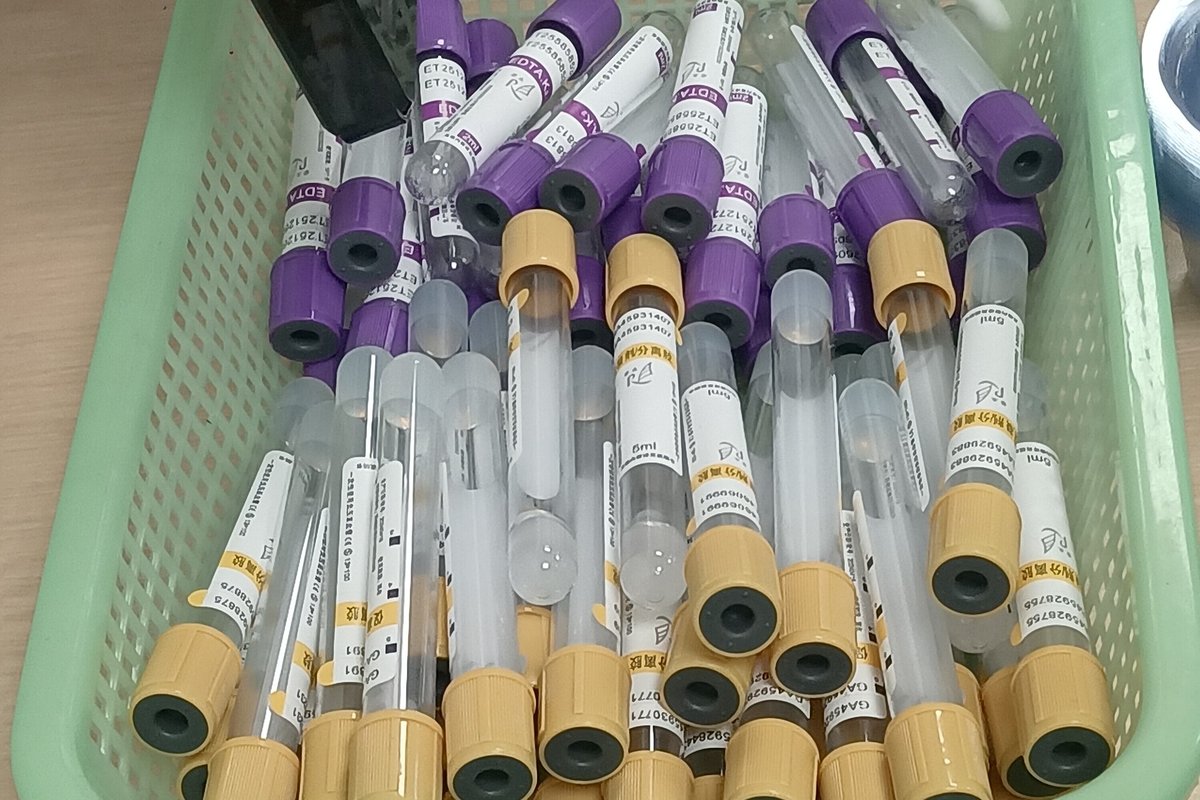
- Blood collection tubesWikimedia Commons · Photo by Fumikas Sagisavas, CC0 public domain dedication.
Educational review of clinical nutrigenetics research. Cancer patients and survivors should consult their oncology team before beginning high-dose omega-3 or herbal supplements during active drug therapy.
Analysis by NutroPractic from the sources listed. Written for general readers; it does not replace advice from your own doctor.
From our articles
Our guides on this subject
Plain-language guides on nutrition and wellness, backed by research.

Heart health
Triglycerides: what food, alcohol, weight loss and omega-3 actually change
A 5-10% weight loss often lowers triglycerides by about 20-30%, as can 4 g/day of prescription omega-3. Here is what 150, 500 and 1,000 mg/dL mean, which changes have numbers behind them, and when a result needs prompt care.
9 Nov 2026

Heart health
Omega-3: oily fish, walnuts or capsules? What the big trials found
A daily fish-oil capsule did not lower heart attacks and strokes overall in a trial of 25,871 Americans, yet a prescription dose of one omega-3 cut them by a quarter in another. Both results are real. What separates them, why a handful of walnuts is not the same thing as a piece of salmon, how much fish a week is enough, and what to do if you don't eat fish at all.
10 Oct 2026

Women's health
Inositol for PCOS: the 40:1 ratio, trial doses, and food milligrams
Why do randomized trials in polycystic ovary syndrome prioritize the 40:1 myo to D-chiro inositol ratio? Here is the science behind the ovarian epimerase paradox, clinical ovulation and insulin metrics, and why cantaloupe cannot replace 4,000 mg trial powder.
21 Nov 2026
Newsfeed for your website
Want this feed on your website?
Add it to any site with one copy-and-paste snippet. No sign-up, and it updates itself every hour.
Start with a virtual consultation
Tell Dr. Triveni what you want to change. You will leave with a clear next step, whether you are in Toronto, London, New York or Chennai.