Gut barrier function & metabolic physiology · November 22, 2026
Exercise training does not reliably repair intestinal barrier leakage in adults with metabolic risk in exploratory meta-analysis
An exploratory systematic review and meta-analysis of clinical trials in adults with obesity and dysglycemia found very low certainty evidence that structured exercise programs significantly alter circulating gut permeability markers like lipopolysaccharide-binding protein, indicating metabolic gains occur through pathways independent of gut barrier remodeling.
Obesity, metabolic syndrome, and impaired glucose tolerance are closely tied to chronic systemic inflammation driven in part by 'metabolic endotoxemia'—the translocation of bacterial lipopolysaccharides (LPS) from the gut lumen through a compromised epithelial barrier into portal and systemic circulation. Regular physical activity consistently enhances insulin sensitivity, lipid oxidation, and cardiovascular fitness, prompting widespread hypotheses that physical conditioning directly restores tight junction integrity and heals intestinal hyperpermeability.
To determine whether structured exercise training reliably reverses intestinal barrier dysfunction in humans, exercise physiologists conducted a systematic review and exploratory meta-analysis searching PubMed, Embase, and Web of Science for randomized and controlled clinical trials. Eligible trials evaluated aerobic, resistance, or combined exercise regimens in sedentary adults presenting with obesity, prediabetes, type 2 diabetes, or related metabolic risk phenotypes.
The investigators quantitatively synthesized surrogate biomarkers of gut-derived endotoxemia and epithelial integrity, centering primarily on circulating lipopolysaccharide-binding protein (LBP) and soluble CD14 (sCD14). Pooled random-effects meta-analytic models revealed that structured exercise training interventions did not produce statistically significant reductions in circulating LBP or sCD14 compared to non-exercising control groups, with high inter-study heterogeneity and widespread risk of bias across trial protocols.
The review authors emphasized that while acute strenuous bouts can transiently stress splanchnic circulation, chronic training does not appear to act primarily as an intestinal barrier repair mechanism. Instead, the profound metabolic, glycemic, and anti-inflammatory benefits of exercise training are largely driven by skeletal muscle mitochondrial adaptations, adipokine modulation, and hepatic lipid clearance, underscoring that dietary and nutritional factors likely remain the dominant determinants of intestinal mucosal integrity.
Exploratory meta-analysis of exercise training on intestinal permeability markers
Inconclusive
Current evidence fails to demonstrate exercise repairs the gut barrier
No change
No pooled reduction in circulating lipopolysaccharide-binding protein (LBP)
Very Low
GRADE certainty of evidence across available randomized human trials
Extragut
Exercise metabolic improvements mediated primarily outside the gut mucosa
Systematic review and exploratory meta-analysis published in Frontiers in Nutrition (November 2026).
- Metabolic endotoxemia is characterized by a two- to three-fold elevation in circulating bacterial endotoxins following consumption of high-fat, ultra-processed meals.
- Lipopolysaccharide-binding protein (LBP) is produced by the liver as an acute-phase reactant that binds bacterial endotoxins to present them to immune CD14 receptors.
- Strenuous endurance exercise above 75% VO2 max can redirect up to 80% of blood flow away from the gut to active skeletal muscles, transiently increasing gut permeability during exercise.
- Dietary fibers, fermentable prebiotic starches, and short-chain fatty acids (like butyrate) remain the most potent confirmed stimuli for maintaining tight junction claudin and occludin proteins.
- Effects of exercise training on intestinal barrier-related outcomes in adults with obesity, dysglycemia, or other metabolic-risk phenotypes: a systematic review and exploratory meta-analysisFrontiers in Nutrition · Systematic review and exploratory meta-analysis. Published 20 November 2026.
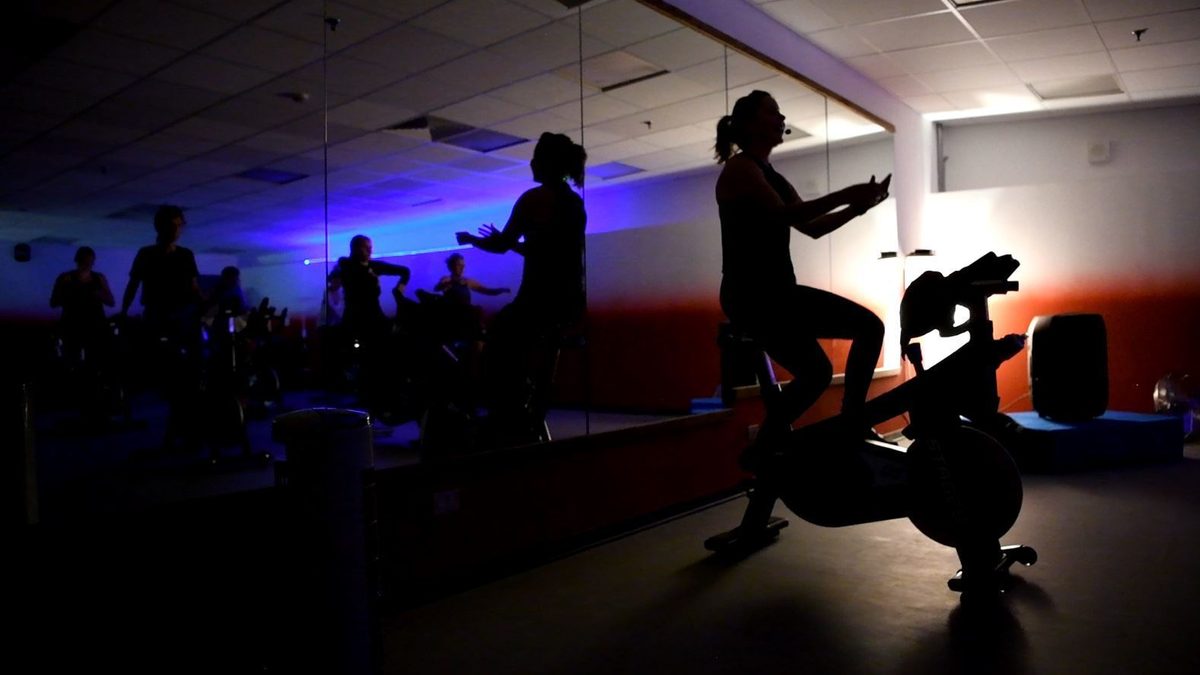
- Spin Cycle Class PhotoWikimedia Commons · Photo by Pfc. Trinity Carter, US Army, public domain.
Educational summary of exercise physiology and gastroenterology research. Individuals with metabolic or gastrointestinal disorders should design lifestyle and fitness regimens with qualified healthcare providers.
Analysis by NutroPractic from the sources listed. Written for general readers; it does not replace advice from your own doctor.
From our articles
Our guides on this subject
Plain-language guides on nutrition and wellness, backed by research.
Gut health
Probiotic capsules: which ones have trial evidence, what they can do, and when to skip them
Children on antibiotics: 8% got diarrhoea with a probiotic, 19% without. Older hospital patients: 10.8% with, 10.4% without. Which capsules have evidence, what three guidelines say about IBS, what a course costs per case prevented, and who shouldn't take them.
2 Nov 2026
Gut health
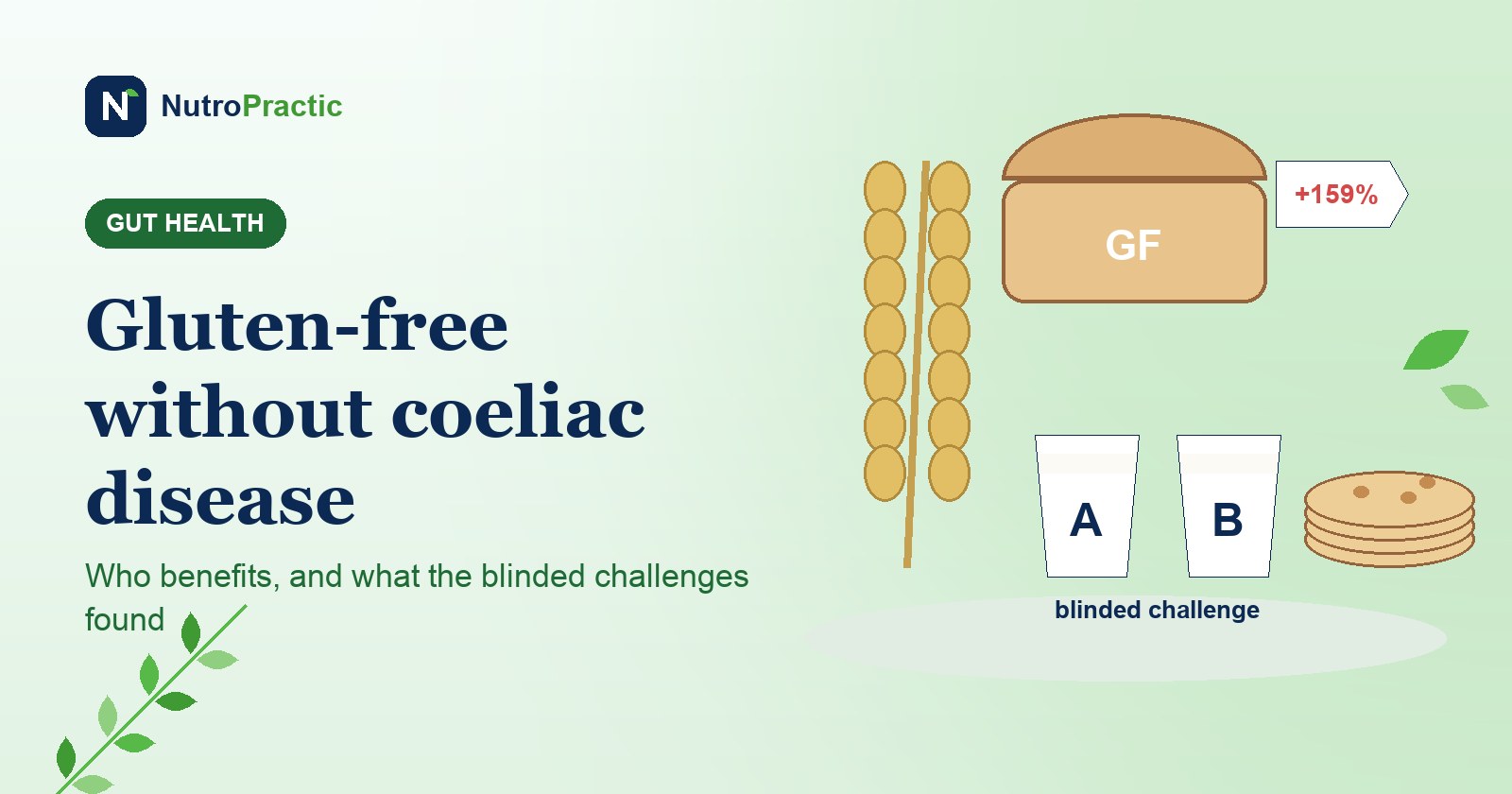
Gluten-free without coeliac disease: who actually benefits, and what the blinded gluten challenges found
In blinded trials only 16% of people who said gluten made them ill reacted to gluten rather than placebo, and in Oslo fructans caused more bloating than gluten. Who really needs to avoid it, how to get tested before you stop, how much gluten is in a slice of bread or a roti, and what gluten-free food costs (159% more in the UK) and lacks.
1 Nov 2026
Gut health
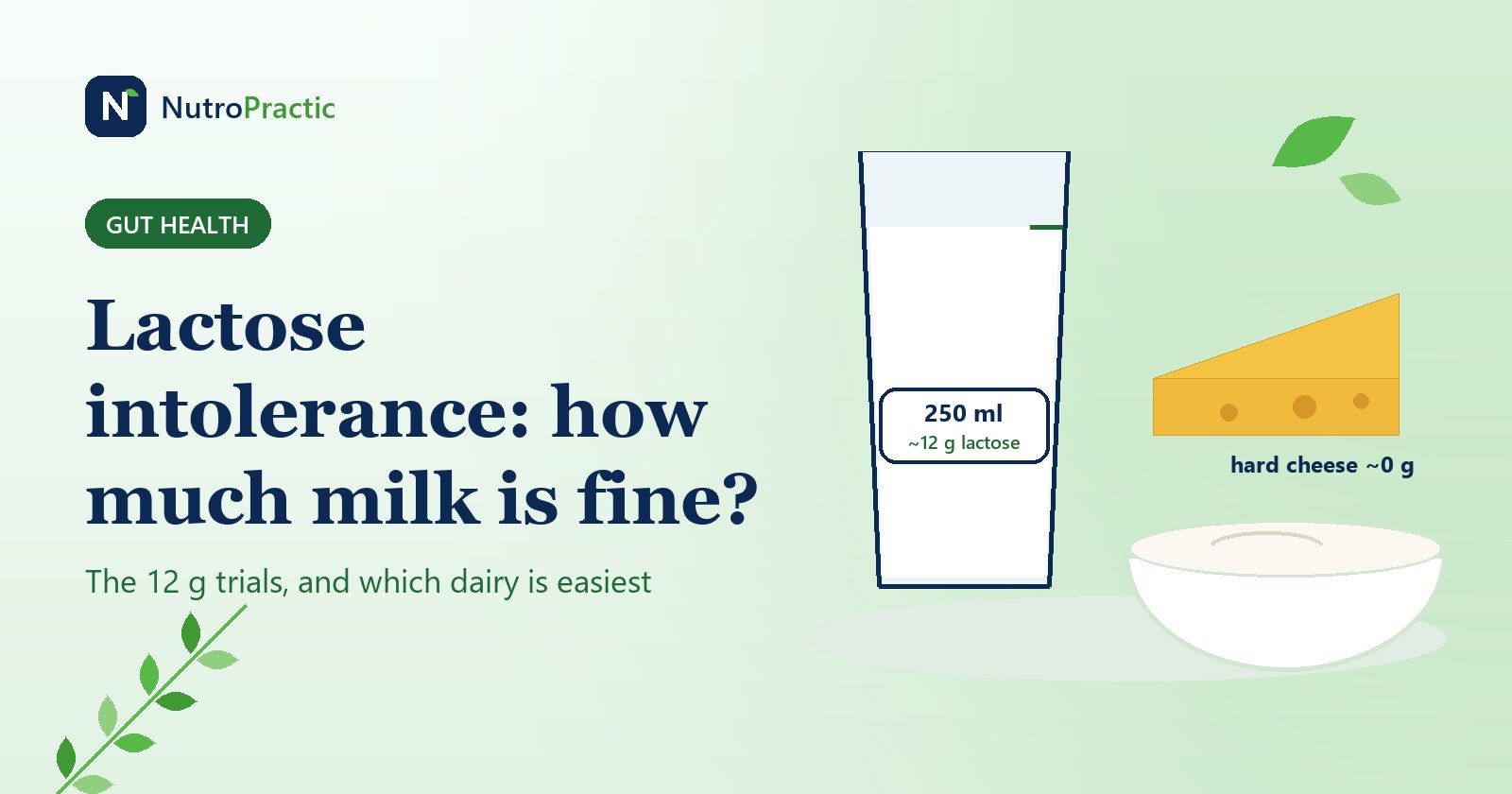
Lactose intolerance: how much milk most people can actually tolerate, and which dairy is easiest
Most adults who don't digest lactose well still handle about 12 g at once, roughly a 250 ml glass of milk, in blinded trials. What the 12 g studies found, a lactose table for milk, yoghurt, cheese, chai and dahi, how lactase tablets and A2 milk compare, why the famous 68% figure was retracted, and how to keep calcium up if you cut back.
25 Oct 2026
Newsfeed for your website
Want this feed on your website?
Add it to any site with one copy-and-paste snippet. No sign-up, and it updates itself every hour.
Start with a virtual consultation
Tell Dr. Triveni what you want to change. You will leave with a clear next step, whether you are in Toronto, London, New York or Chennai.