Clinical nutrition & meal sequencing physiology · November 22, 2026
Eating vegetables before carbohydrates blunts postprandial glucose and insulin spikes at 30 and 60 minutes in systematic review and meta-analysis
A systematic review and meta-analysis of randomized controlled trials in Clinical Nutrition evaluated meal sequencing strategies, demonstrating that consuming dietary fiber-rich vegetables before carbohydrates significantly flattens 30- and 60-minute postprandial glycemic excursions, though long-term HbA1c trials remain limited.
Food sequencing—the deliberate order in which distinct macronutrient components of a meal are consumed—has gained widespread clinical and public interest as a practical, medication-free behavioural strategy for blood sugar management. Standard dietary advice traditionally focuses on total caloric intake and carbohydrate counting. However, emerging gastroenterological evidence suggests that ingesting dietary fiber and protein prior to refined starches and simple sugars alters gastric motility and incretin secretion, modifying systemic postprandial metabolism.
To rigorously assess the physiological impact of meal sequencing on glycemic parameters, clinical nutrition researchers conducted a comprehensive systematic review and meta-analysis of randomized controlled trials published in Clinical Nutrition. Investigators synthesized clinical trial data comparing meals where dietary fiber-rich vegetables were ingested first against identical meals consumed either carbohydrates first or with all components mixed together, tracking acute postprandial glucose, insulin responses, and glycemic variability.
The meta-analysis revealed that consuming vegetables prior to carbohydrate loads significantly attenuated acute postprandial glucose surges, blunting peak concentrations at 30 and 60 minutes post-meal compared to carbohydrate-first or mixed sequences. Parallel reductions were observed in postprandial insulin output, reflecting delayed intestinal absorption and lower demand on pancreatic beta cells. Mechanistically, pre-meal vegetable consumption establishes a physical fiber viscous meshwork in the small intestine, slowing gastric emptying rates and stimulating gut-derived glucagon-like peptide-1 (GLP-1).
Despite promising acute glycemic benefits, the review authors highlighted key methodological constraints in the current literature: most randomized trials evaluated small cohorts over single meal challenges, frequently among young, healthy volunteers or specific regional populations. The authors concluded that while eating vegetables before carbohydrates offers an accessible, low-risk tool for blunting postprandial blood sugar spikes, larger long-term randomized clinical trials are essential to determine whether meal sequencing sustains clinically meaningful reductions in HbA1c and vascular complications in type 2 diabetes.
Systematic review and meta-analysis of meal sequencing trials (Clinical Nutrition)
30 & 60 min
Statistically significant blunting of acute postprandial glucose peaks
Attenuated
Reduced postprandial insulin surges and pancreatic beta-cell workload
Delayed
Gastric emptying slowed via viscous dietary fiber matrix
RCT Meta-analysis
Synthesis of randomized crossover and parallel-group sequencing trials
Systematic review and meta-analysis of randomized controlled trials published in Clinical Nutrition (November 2026).
- Consuming dietary fiber before starch creates a gel-like barrier in the duodenum that slows the enzymatic breakdown of polysaccharides by alpha-amylase.
- Meal sequencing does not require reducing portion sizes or altering meal ingredients, making it an exceptionally high-adherence dietary modification.
- The incretin hormone GLP-1 is secreted by intestinal L-cells in response to fiber and fat arrival in the distal ileum, signaling central satiety and slowing gastric motility.
- Postprandial glycemic spikes generate acute endothelial dysfunction and transient oxidative stress even in individuals with normal fasting glucose.
- Effect of eating vegetables before carbohydrates on glucose, insulin and glycemic control – A systematic review and meta-analysis of randomized controlled trialsClinical Nutrition · Systematic review and meta-analysis of randomized clinical trials. Published November 2026.
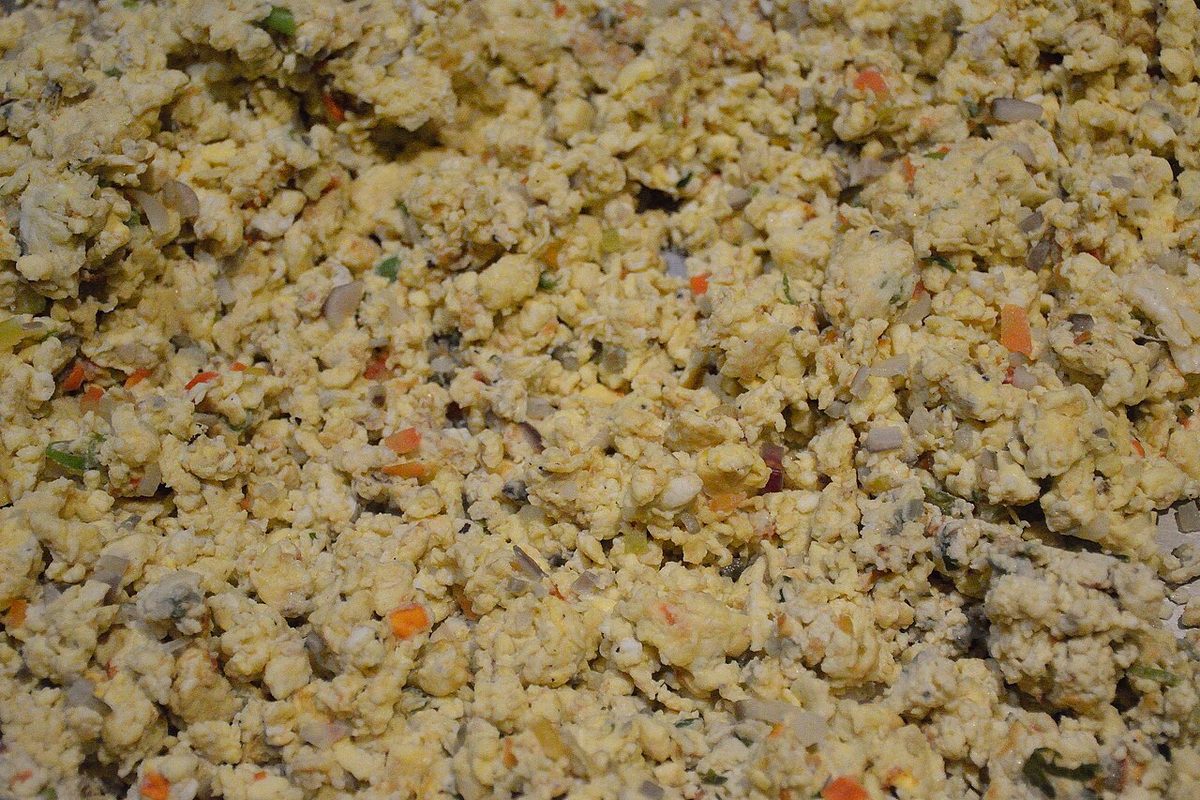
- Egg Bhurji - ChandigarhWikimedia Commons · Photo by Biswarup Ganguly, CC BY 3.0 license.
Educational summary of clinical nutrition and meal sequencing research. Individuals managing type 2 diabetes or insulin resistance should consult their endocrinologist and registered dietitian before adjusting dietary regimens.
Analysis by NutroPractic from the sources listed. Written for general readers; it does not replace advice from your own doctor.
From our articles
Our guides on this subject
Plain-language guides on nutrition and wellness, backed by research.

Cardiovascular wellness
Psyllium husk: how much soluble fibre lowers LDL cholesterol and stabilizes post-meal glucose in clinical trials
Viscous soluble fibre forms a thick gel matrix in the small intestine that binds bile acids and blunts post-meal glucose spikes. Across dozens of randomized controlled trials, 7 to 10.2 grams of psyllium daily lowers LDL cholesterol by 6% to 12% without stripping HDL, while reducing postprandial glucose surges by 15% to 25% in metabolic syndrome and type 2 diabetes. Discover the bile acid sequestration mechanism, trial meta-analyses, exact timing before meals, water ratios, and titration protocols to avoid gas and cramping.
13 Nov 2026
Diabetes
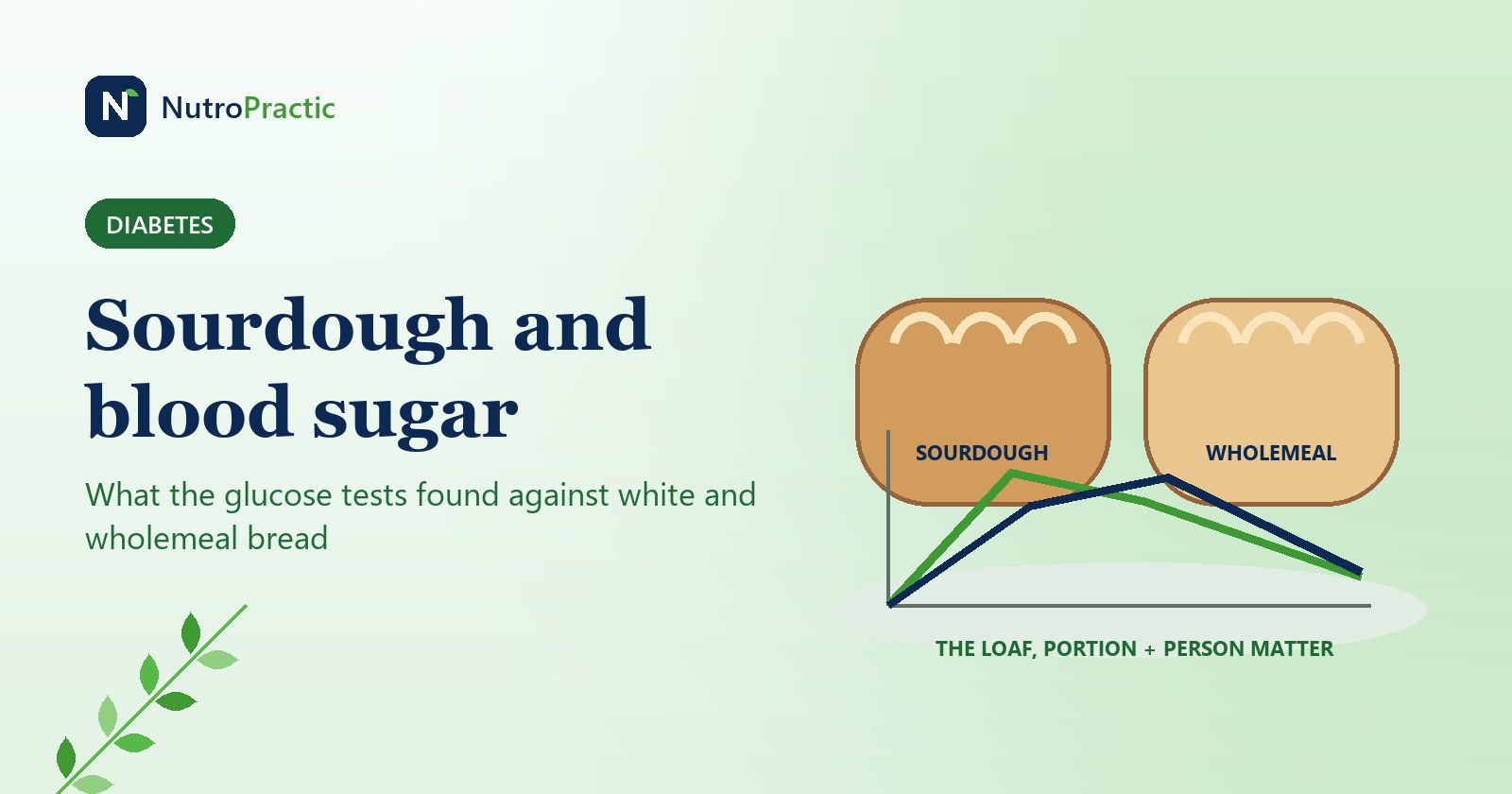
Sourdough and blood sugar: what the glucose tests found against white and wholemeal bread
Sourdough did not beat white bread on average in a 20-person crossover trial, and half responded better to white. A trial-by-trial look at fermentation, flour, portions, GI and how to test your own loaf fairly.
6 Nov 2026

Diabetes
Vinegar before meals: what the trials measured on blood sugar, and how much is enough
Two teaspoons to a tablespoon with a starchy meal trims the glucose peak at 30 minutes, and the gap fades by two hours. HbA1c reviews range from -0.39 to -1.53, and we explain which to trust. Two gummies hold about 50 mg of acetic acid against 750 mg in a tablespoon.
5 Nov 2026
Newsfeed for your website
Want this feed on your website?
Add it to any site with one copy-and-paste snippet. No sign-up, and it updates itself every hour.
Start with a virtual consultation
Tell Dr. Triveni what you want to change. You will leave with a clear next step, whether you are in Toronto, London, New York or Chennai.