Planetary health & obesity prevention · November 27, 2026
Adherence to EAT-Lancet planetary health diet linked to ~60% lower obesity incidence in China Health and Nutrition Survey
A prospective study following over 10,000 Chinese adults across nearly a decade found that the highest adherence to the EAT-Lancet reference diet was associated with an approximate 60% lower incidence of overweight and obesity, especially among rural and less active adults.
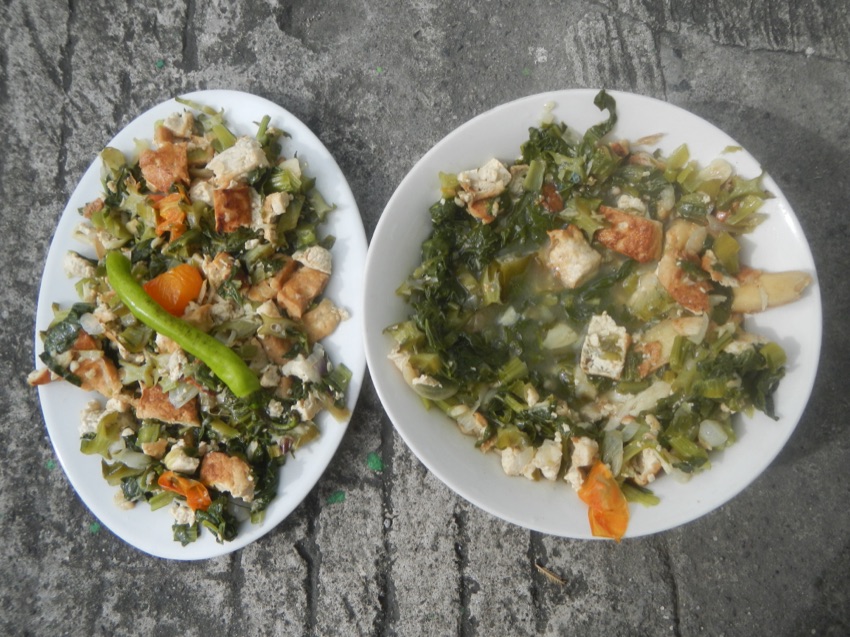
The EAT-Lancet Commission designed a global reference planetary health diet to foster both human metabolic health and environmental sustainability. While its ecological and nutritional benefits have been studied in Western populations, evidence regarding its direct impact on incident obesity across rapidly transitioning non-Western societies has remained sparse.
To address this knowledge gap, investigators leveraged longitudinal data from the China Health and Nutrition Survey (CHNS, 1997-2015). The analysis evaluated 10,557 adults to assess the risk of new-onset overweight (BMI 24 to <28 kg/m²) over a median of 8.8 years, and 14,764 adults to assess the risk of new-onset obesity (BMI ≥28 kg/m² under Chinese criteria) over a median of 9.9 years.
Dietary intake was scored using the Planetary Health Diet (PHD) index derived from repeated 24-hour dietary recalls and household food inventories. Over the follow-up period, 3,478 participants developed overweight and 1,757 developed obesity. Compared with individuals in the lowest quartile of adherence (Q1), those in the highest quartile (Q4) showed a 59% lower hazard of incident overweight (hazard ratio [HR] = 0.41, 95% CI 0.37-0.46, P-trend < 0.001) and a 61% lower hazard of incident obesity (HR = 0.39, 95% CI 0.34-0.45, P-trend < 0.001).
Dose-response modelling demonstrated a linear inverse relationship between PHD score and weight gain. Subgroup analyses revealed that these protective associations were notably stronger among rural residents and individuals reporting low physical activity. While observational confounding from socioeconomic shifts in China cannot be completely excluded, the results suggest that plant-forward sustainable dietary patterns can play a pivotal role in curbing obesity.
China Health and Nutrition Survey (CHNS) longitudinal outcomes
14,764
Adults tracked for incident obesity
9.9 yrs
Median obesity follow-up period
0.39
Adjusted HR for obesity in Q4 vs Q1
0.41
Adjusted HR for overweight in Q4 vs Q1
Overweight defined as BMI 24-27.9 kg/m² and obesity as BMI ≥28 kg/m² using standard Asia-Pacific/Chinese guidelines.
- The EAT-Lancet reference diet emphasizes whole grains, fruits, vegetables, legumes, and nuts, while strictly limiting red meat, refined grains, and added sugars.
- China uses lower BMI cutoffs (24 kg/m² for overweight and 28 kg/m² for obesity) because Asian populations tend to develop visceral fat and cardiometabolic complications at lower body weights.
- The association was particularly pronounced among rural residents, who may experience rapid nutritional shifts as modern processed food availability expands.
- Association between adherence to EAT-Lancet reference diet and incidence of overweight and obesity in a prospective cohort study of Chinese adultsBritish Journal of Nutrition · Longitudinal prospective cohort analysis from the China Health and Nutrition Survey (1997-2015). Published 25 November 2026.
- File:9665Sautéed winged bean and green shingkang with tofu 01.jpgWikimedia Commons · Photo via Wikimedia Commons, CC0.
Educational summary of nutrition research, not personal medical advice. Speak to your doctor or dietitian before changing your diet or supplements, especially if you are pregnant, take medicines or have a medical condition.
Analysis by NutroPractic from the sources listed. Written for general readers; it does not replace advice from your own doctor.
From our articles
Read, then eat a little better
Plain-language guides on nutrition and wellness, backed by research.
Gut health
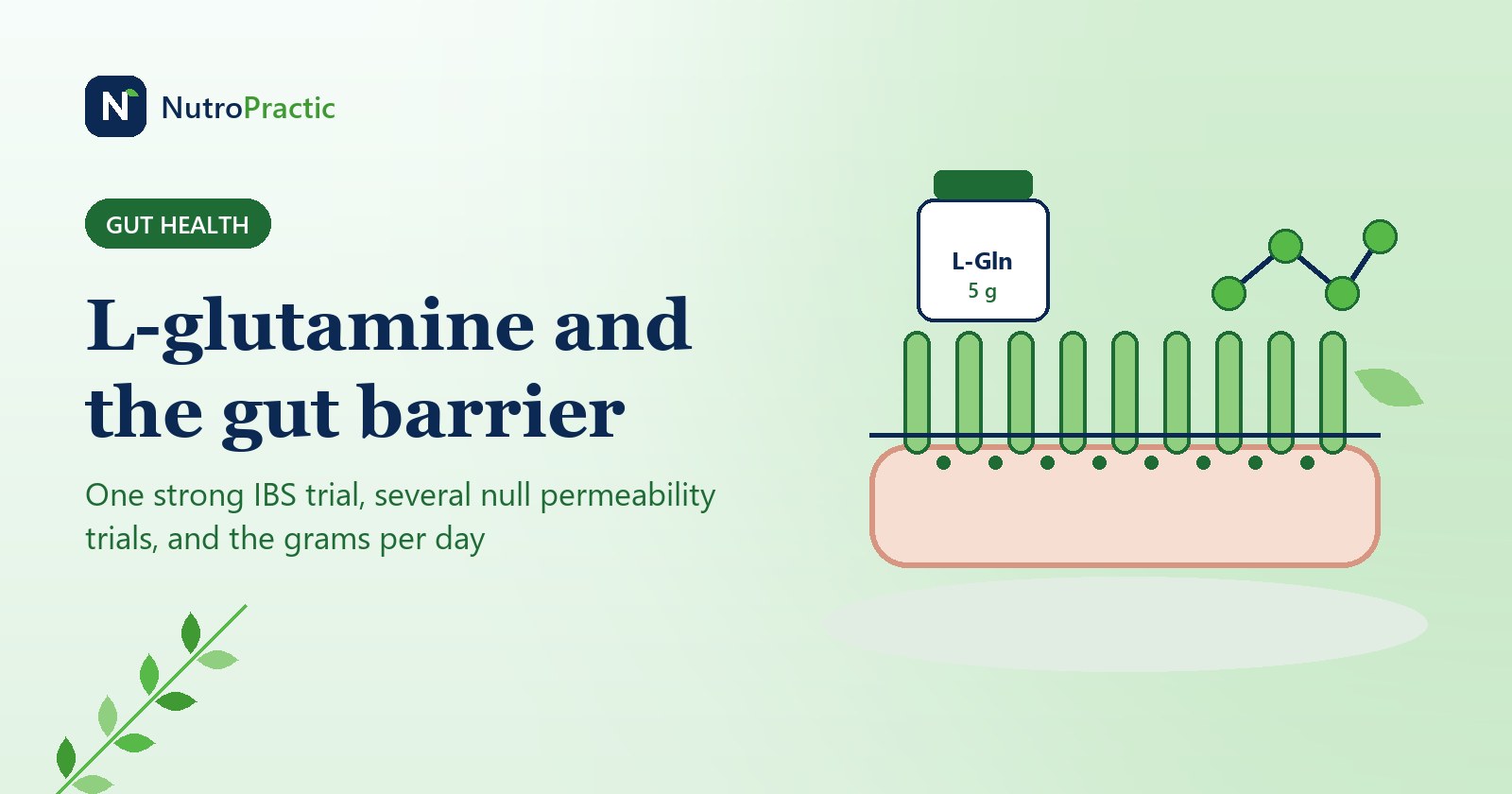
L-glutamine for gut barrier integrity: what the post-infectious IBS and permeability trials measured, and the dose in grams
At 15 g a day, glutamine took 79.6% of post-infection IBS-D patients to a clinical response against 5.8% on placebo. Trials that measured gut permeability directly in Crohn's, pancreatitis and heat stress found no clear benefit, and a 10-trial meta-analysis found none overall. The doses, the 14 g a day safe level, and who might try it.
27 Nov 2026
Supplements and vitamins
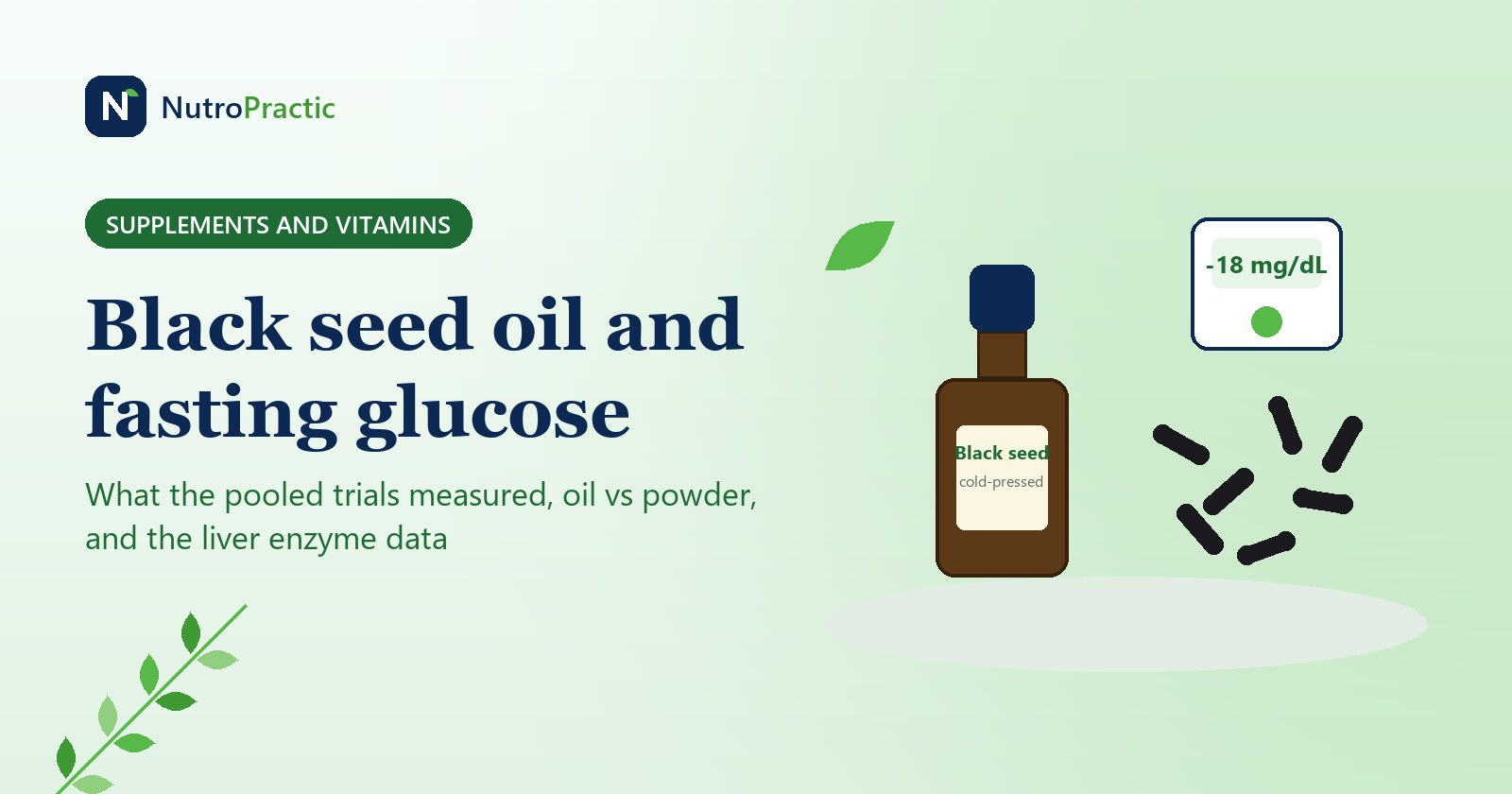
Black seed oil (Nigella sativa) and fasting glucose: what the pooled trials measured, oil vs powder doses, and the liver enzyme data
Meta-analyses of randomised trials put black seed's effect at roughly 10 to 20 mg/dL lower fasting glucose and about half a point of HbA1c, mostly as an add-on to diabetes tablets. The 1 to 3 g a day doses tested, why two bottles can differ 263-fold in thymoquinone, and what the liver and kidney markers showed.
27 Nov 2026

Supplements and vitamins
Chlorella and detox claims: what the human studies measured on hair metals, dioxins and vitamin B12, and what they did not
We found no placebo-controlled trial of chlorella removing mercury or lead. One 16-person study saw hair mercury and lead fall 39% on a chlorella-seaweed mix with no control group; breast-milk dioxin was about 30% lower in Japanese mothers; B12 ranges from under 0.1 to 415 micrograms per 100 g between brands.
26 Nov 2026
Newsfeed for your website
Want this feed on your website?
Add it to any site with one copy-and-paste snippet. No sign-up, and it updates itself every hour.
Start with a virtual consultation
Tell Dr. Triveni what you want to change. You will leave with a clear next step, whether you are in Toronto, London, New York or Chennai.