Sports nutrition & performance · November 28, 2026
Beetroot-style nitrate gave team-sport athletes a small performance edge in a 24-trial review, mainly with multi-day dosing
A meta-analysis of 24 placebo-controlled trials in 365 athletes found a small but significant benefit on team-sport tasks. Single-dose protocols showed no clear effect.
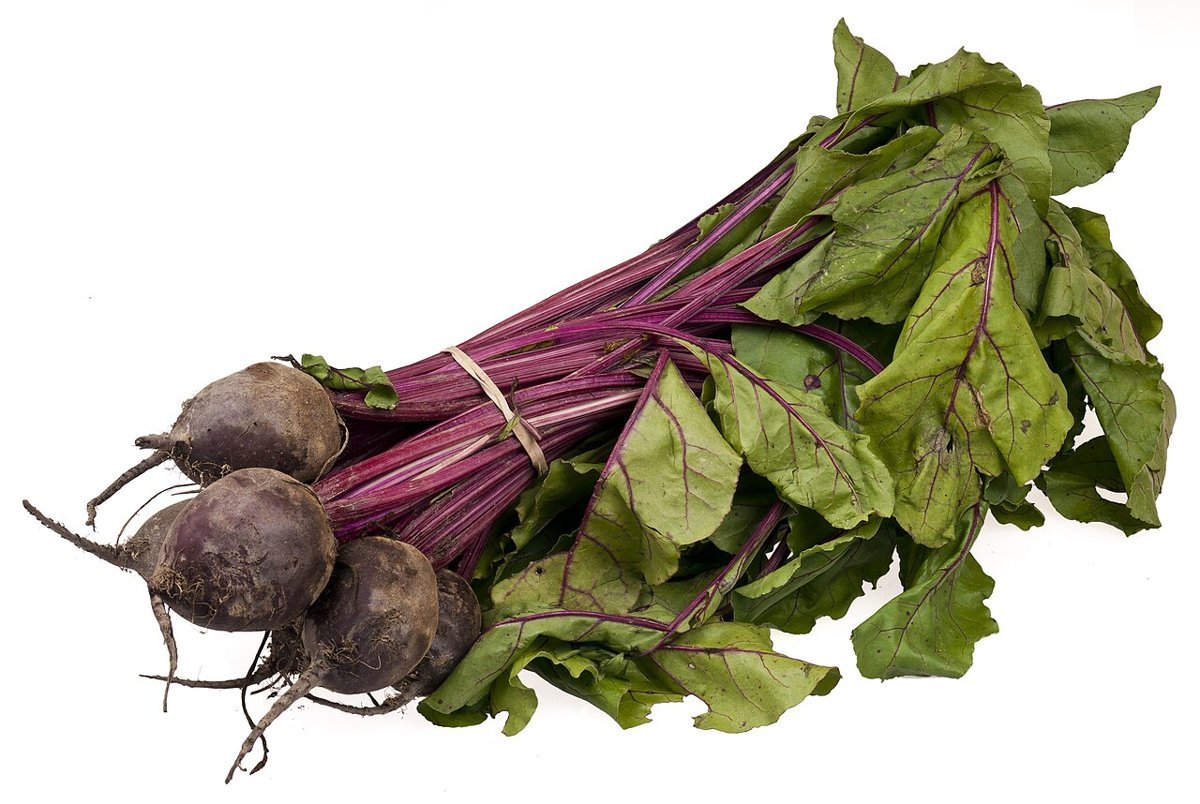
Dietary nitrate, most often given as beetroot juice, raises nitric oxide availability and may reduce the oxygen cost of exercise. Most evidence comes from endurance athletes, so a review in the Journal of the International Society of Sports Nutrition, by Szymocha and colleagues, looked at team sports.
Following PRISMA guidelines, the authors searched PubMed, Scopus and Web of Science through March 2025 for randomised, placebo-controlled trials of acute (single dose) or chronic (2 days or more) nitrate in team sport athletes. 24 trials in 365 athletes (277 male, 88 female) qualified.
The overall pooled effect on performance was small but significant (Hedges' g 0.075, 95% CI 0.026 to 0.124). For team-sport-specific tasks it was g 0.143 (0.041 to 0.245), with low heterogeneity and moderate certainty of evidence. Chronic protocols showed a benefit (g 0.145), while acute protocols showed no clear effect. The chronic-versus-acute difference was not robust to more conservative assumptions, lowering that certainty to very low. Single-sprint outcomes and most metabolic markers showed no consistent benefit.
The effects are small, the athlete numbers are modest, and chronic protocols also included a final pre-exercise dose, so the authors caution against reading the result as long-term adaptation.
Dietary nitrate in team sport athletes, 24 randomised trials
24
placebo-controlled trials, 365 athletes
g 0.143
pooled effect on team-sport-specific tasks (95% CI 0.041 to 0.245, moderate certainty)
g 0.075
overall pooled performance effect (95% CI 0.026 to 0.124)
Systematic review and meta-analysis, Journal of the International Society of Sports Nutrition, 19 Nov 2026 (PROSPERO CRD42022358739). Effects are small.
- Hedges' g is a standardised effect size; values below about 0.2 are generally described as small.
- In the chronic protocols the last dose was taken 2 to 3 hours before exercise, so they also tested an acute pre-exercise dose.
- Effects of dietary nitrate supplementation in team sport athletes: a systematic review and meta-analysisJournal of the International Society of Sports Nutrition, 19 Nov 2026 · Abstract and results.
This article is general information about published research, not medical advice. It does not diagnose, treat or replace care from a qualified health professional. Talk to your doctor before starting a supplement or changing your diet, especially if you are pregnant, have a medical condition or take medicines.
Analysis by NutroPractic from the sources listed. Written for general readers; it does not replace advice from your own doctor.
From our articles
Read, then eat a little better
Plain-language guides on nutrition and wellness, backed by research.
Gut health
L-glutamine for gut barrier integrity: what the post-infectious IBS and permeability trials measured, and the dose in grams
At 15 g a day, glutamine took 79.6% of post-infection IBS-D patients to a clinical response against 5.8% on placebo. Trials that measured gut permeability directly in Crohn's, pancreatitis and heat stress found no clear benefit, and a 10-trial meta-analysis found none overall. The doses, the 14 g a day safe level, and who might try it.
27 Nov 2026
Supplements and vitamins
Black seed oil (Nigella sativa) and fasting glucose: what the pooled trials measured, oil vs powder doses, and the liver enzyme data
Meta-analyses of randomised trials put black seed's effect at roughly 10 to 20 mg/dL lower fasting glucose and about half a point of HbA1c, mostly as an add-on to diabetes tablets. The 1 to 3 g a day doses tested, why two bottles can differ 263-fold in thymoquinone, and what the liver and kidney markers showed.
27 Nov 2026
Supplements and vitamins
Chlorella and detox claims: what the human studies measured on hair metals, dioxins and vitamin B12, and what they did not
We found no placebo-controlled trial of chlorella removing mercury or lead. One 16-person study saw hair mercury and lead fall 39% on a chlorella-seaweed mix with no control group; breast-milk dioxin was about 30% lower in Japanese mothers; B12 ranges from under 0.1 to 415 micrograms per 100 g between brands.
26 Nov 2026
Newsfeed for your website
Want this feed on your website?
Add it to any site with one copy-and-paste snippet. No sign-up, and it updates itself every hour.
Start with a virtual consultation
Tell Dr. Triveni what you want to change. You will leave with a clear next step, whether you are in Toronto, London, New York or Chennai.