Nutrition and mental health · November 7, 2026
Higher fibre intake first tracked with 35% lower suicide risk — then the association weakened after related nutrients entered the model
The 18.7-year Japanese cohort recorded 459 suicide deaths among 88,808 adults. The shift from hazard ratio 0.65 to 0.85 argues for a whole-diet signal, not a fibre cure.
The Japan Public Health Center cohort followed 40,630 men and 48,178 women, aged 44–76 at dietary assessment, for an average of 18.7 years. A validated food-frequency questionnaire estimated fibre intake, and 459 deaths from suicide were identified through December 2018.
After adjustment for several lifestyle and dietary factors, people in the highest quarter of total fibre intake had a hazard ratio of 0.65 compared with the lowest quarter, with a 95% confidence interval from 0.46 to 0.93. Vegetable and fruit fibre showed similar inverse associations, while cereal and bean fibre did not.
The interpretation changed when the model added folate, vitamin B6, magnesium and iron — nutrients strongly correlated with fibre-rich foods. The total-fibre hazard ratio moved to 0.85, with an interval from 0.55 to 1.31, no longer a clear association. Diet was measured rather than assigned, and depression at baseline was not fully captured. The findings point toward a broader food pattern or correlated circumstances; they do not show that fibre prevents suicide or treats mental illness.
Adjustment changed the apparent signal
88,808
Adults in the prospective cohort: 40,630 men and 48,178 women
18.7 years
Mean follow-up
459
Deaths from suicide identified during follow-up
HR 0.65
Highest versus lowest total-fibre quarter in the initial multivariable model; 95% CI 0.46–0.93
HR 0.85
After adding strongly correlated nutrients; 95% CI 0.55–1.31
Prospective observational cohort using one food-frequency assessment. The association attenuated after adjustment for nutrients that travel with fibre-rich foods, highlighting collinearity and uncertainty about what the exposure represents.
- Fibre-rich foods often provide folate, magnesium, vitamin B6 and many other compounds at the same time.
- A hazard ratio compares event rates over follow-up; it is not the percentage of people who experienced an event.
- Statistically adjusting for closely correlated nutrients can clarify confounding but can also make individual effects hard to separate.
- Suicide is never explained by one food or nutrient; risk reflects interacting mental-health, social, medical and environmental factors.
- Dietary fibre intake and suicide in Japanese adults: the Japan Public Health Center-based Prospective StudyBritish Journal of Nutrition, 3 November 2026 · Primary prospective cohort report; sample, follow-up, deaths, source-specific findings and both adjustment models checked against the journal article.
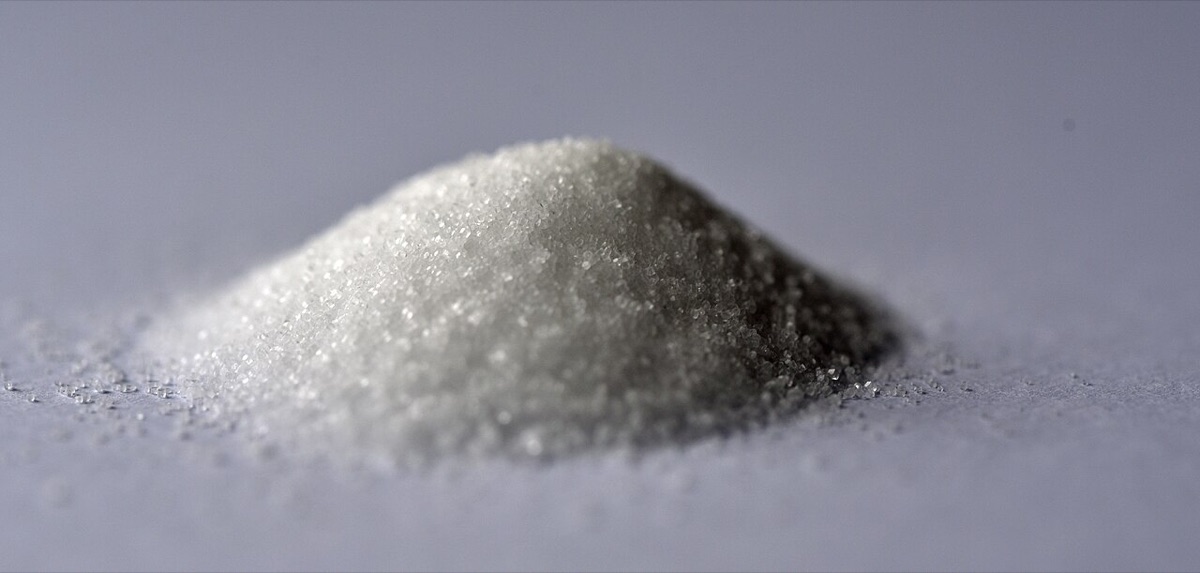
- Table saltWikimedia Commons · Photograph by Conall, CC BY 2.0; general nutrient-measurement illustration only.
General information, not medical advice. Food or supplements do not replace mental-health care. Anyone in immediate danger or thinking about suicide should contact local emergency or crisis services now; ongoing distress deserves prompt professional support.
Analysis by NutroPractic from the sources listed. Written for general readers; it does not replace advice from your own doctor.
From our articles
Our guides on this subject
Plain-language guides on nutrition and wellness, backed by research.
Everyday eating
Eating well on a tight food budget: what the cost studies found, and the cheapest protein and fibre per dollar
Healthier diets cost about $1.48 a person a day more, according to a meta-analysis of 27 studies. What the USDA's Thrifty Food Plan costs in 2026, our price check of protein and fibre per dollar at September 2026 prices, why frozen and tinned vegetables are not second best, and a batch-cooked stew at $1.40 a serving.
20 Oct 2026
Everyday eating
The fibre gap: why most adults fall short, and an easy 30-gram day
Most adults in the US, Canada and Europe eat far less fibre than recommended, even though higher intakes are linked to lower rates of heart disease, type 2 diabetes and bowel cancer. How much you need, where it hides, and a sample day that gets you to 30 grams.
3 Oct 2026
Everyday eating
Protein bars and shakes: what you get per 100 calories
Four current labels range from 6.3 to 20 g protein per 100 kcal. Here is how bars, shakes, eggs, yogurt and lentils compare—and when a supplement actually helps.
6 Nov 2026
Newsfeed for your website
Want this feed on your website?
Add it to any site with one copy-and-paste snippet. No sign-up, and it updates itself every hour.
Start with a virtual consultation
Tell Dr. Triveni what you want to change. You will leave with a clear next step, whether you are in Toronto, London, New York or Chennai.