Cancer risk & dietary fat · November 28, 2026
Across 14 cohorts, each extra 20 g a day of plant fat linked to 20% lower liver cancer risk, while saturated fat linked to 18% higher
A dose-response meta-analysis found no clear link between total fat and liver cancer, but the type of fat mattered: plant fat and higher unsaturated-to-saturated ratios went with lower risk.
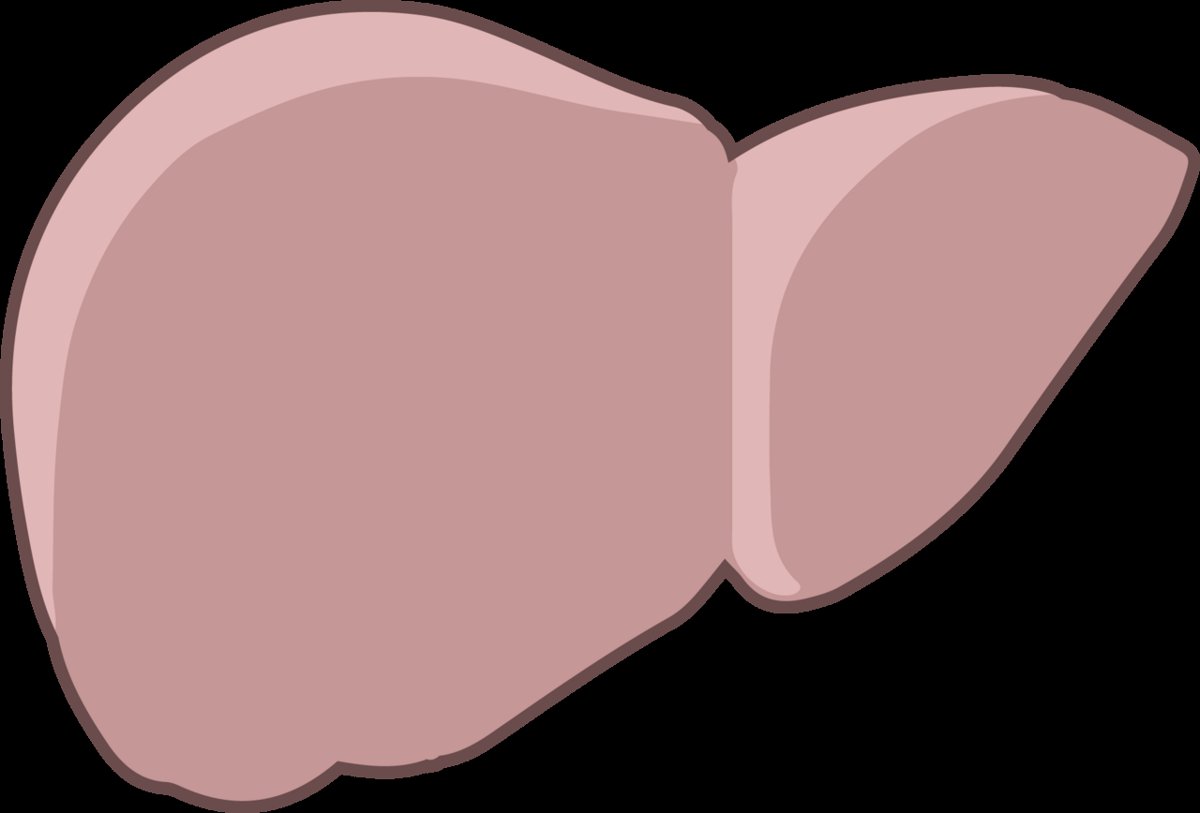
Studies on dietary fat and liver cancer have disagreed. Mokhtari, Heshmatipour, Zeydi and colleagues pooled the prospective evidence in Scientific Reports.
They searched the literature through June 2026 and included 14 prospective cohort studies, rated with the Newcastle-Ottawa Scale and combined with random-effects models. Total fat intake was not significantly associated with liver cancer risk (RR 1.14, 95% CI 0.95-1.36).
Fat type did differ. Each 20 g a day increase in plant fat intake was associated with a 20% lower risk (RR 0.80, 0.67-0.96); each 20 g a day of saturated fat with an 18% higher risk (RR 1.18, 1.02-1.37). Higher MUFA/SFA (RR 0.80, 0.72-0.89) and (PUFA+MUFA)/SFA (RR 0.87, 0.77-0.97) ratios went with lower risk, and PUFA/SFA was borderline (RR 0.82, 0.68-1.00).
These are observational cohorts, so they show associations rather than cause, and food-questionnaire error is likely. The authors conclude that fat quality, not total fat, may be the more relevant dietary target.
Dietary fat and liver cancer risk, 14 prospective cohorts
14
prospective cohort studies pooled
RR 1.14
total fat intake, not significant (95% CI 0.95-1.36)
RR 0.80
per 20 g/day plant fat (95% CI 0.67-0.96)
RR 1.18
per 20 g/day saturated fat (95% CI 1.02-1.37)
Systematic review and dose-response meta-analysis, Scientific Reports, 19 Nov 2026 (PROSPERO CRD42024522567). Observational data only.
- MUFA, PUFA and SFA are monounsaturated, polyunsaturated and saturated fatty acids.
- Total fat intake showed no significant link on its own; the pattern appeared only when fat types were separated.
- A systematic review and dose response meta-analysis of dietary fat intake and liver cancer riskScientific Reports, 19 Nov 2026 · Abstract and results.
This article is general information about published research, not medical advice. It does not diagnose, treat or replace care from a qualified health professional. Talk to your doctor before starting a supplement or changing your diet, especially if you are pregnant, have a medical condition or take medicines.
Analysis by NutroPractic from the sources listed. Written for general readers; it does not replace advice from your own doctor.
From our articles
Our guides on this subject
Plain-language guides on nutrition and wellness, backed by research.
Heart health
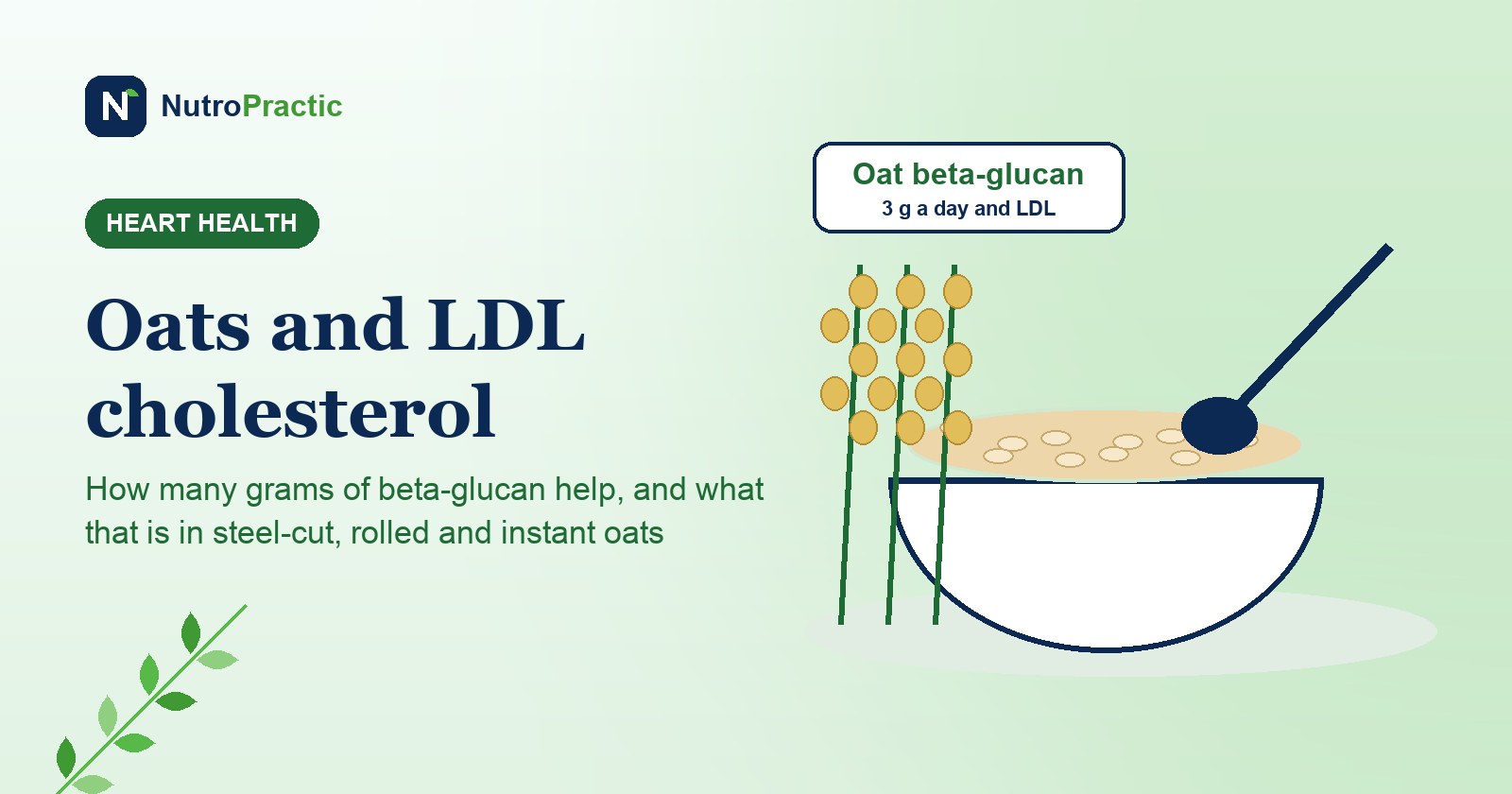
Oats and beta-glucan: how many grams lower LDL, and how much steel-cut, rolled and instant oats it takes
The 3 g a day of beta-glucan behind the FDA and EFSA claims lowers LDL by about 0.25 mmol/L (10 mg/dL). That is roughly 60 to 68 g of dry oats or 50 g of oat bran a day. Grams per portion, glycaemic index by oat type and the gluten caveat.
17 Nov 2026
Medicines and nutrition
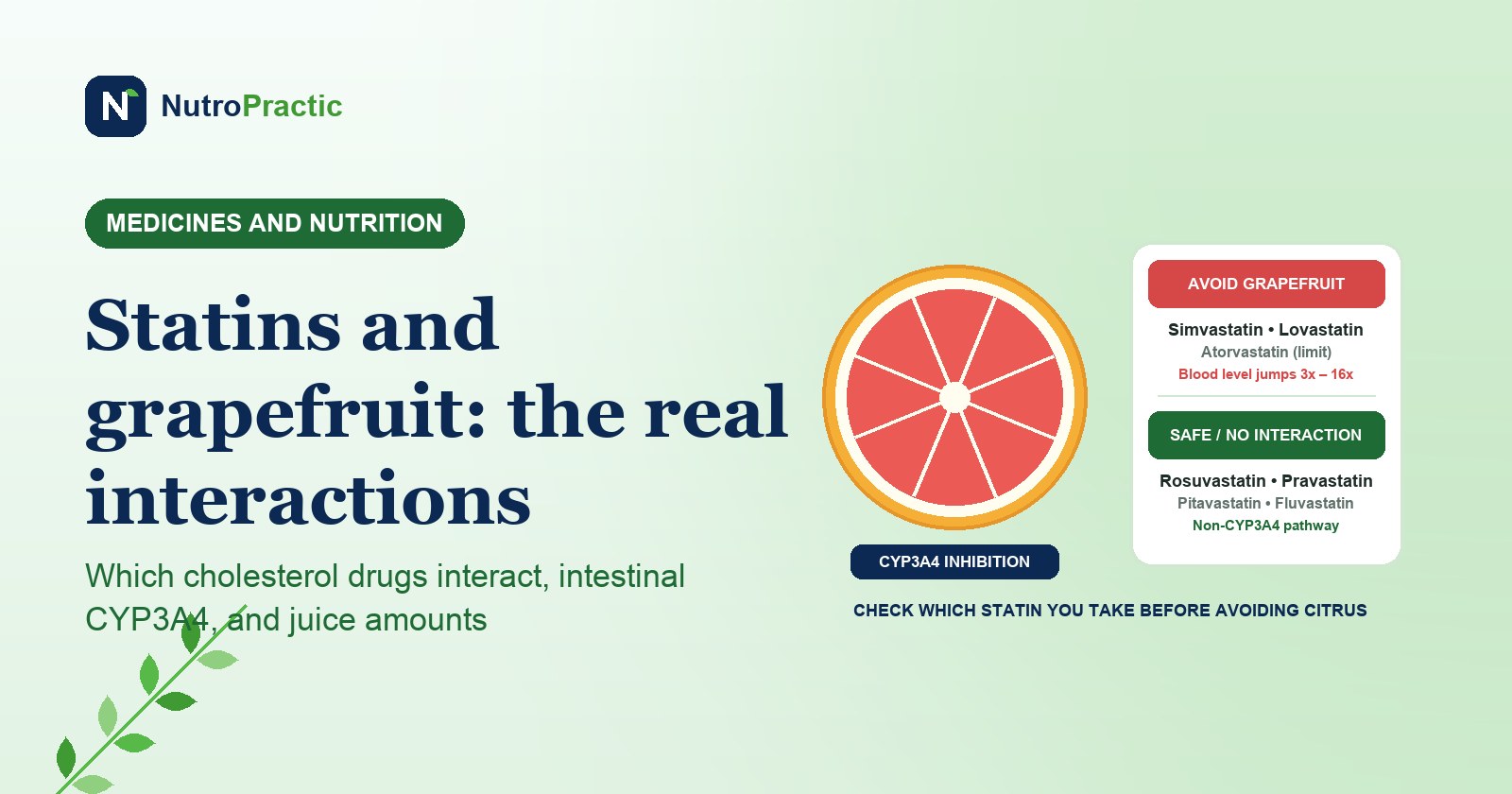
Statins and grapefruit: which cholesterol medicines actually interact, and how much fruit matters
A blanket ban on grapefruit is one of the most common warnings given to statin users, yet several widely prescribed cholesterol drugs do not interact with it at all. Learn the science of intestinal CYP3A4, actual AUC multipliers, portion thresholds, timing myths, and which statins allow you to safely enjoy citrus.
14 Nov 2026

Cardiovascular wellness
Psyllium husk: how much soluble fibre lowers LDL cholesterol and stabilizes post-meal glucose in clinical trials
Viscous soluble fibre forms a thick gel matrix in the small intestine that binds bile acids and blunts post-meal glucose spikes. Across dozens of randomized controlled trials, 7 to 10.2 grams of psyllium daily lowers LDL cholesterol by 6% to 12% without stripping HDL, while reducing postprandial glucose surges by 15% to 25% in metabolic syndrome and type 2 diabetes. Discover the bile acid sequestration mechanism, trial meta-analyses, exact timing before meals, water ratios, and titration protocols to avoid gas and cramping.
13 Nov 2026
Newsfeed for your website
Want this feed on your website?
Add it to any site with one copy-and-paste snippet. No sign-up, and it updates itself every hour.
Start with a virtual consultation
Tell Dr. Triveni what you want to change. You will leave with a clear next step, whether you are in Toronto, London, New York or Chennai.