Adolescent health & public nutrition · November 20, 2026
Over 90% of school-going adolescent girls in Western Maharashtra fell short of minimum dietary diversity
A structural equation modeling study of adolescent girls in Western Maharashtra published in Frontiers in Nutrition found a 70% malnutrition burden, with inadequate dietary diversity strongly mediating undernutrition, especially in rural areas.
Adolescence represents a critical physiological window characterized by accelerated linear growth, sexual maturation, and dynamic neurodevelopment. During this life phase, girls in low- and middle-income countries face heightened vulnerability to the 'double burden' of malnutrition—where high rates of micronutrient deficiencies and stunting coexist alongside rising overweight prevalence. Public health researchers in Maharashtra set out to map the structural determinants driving this pattern.
The cross-sectional study, published in Frontiers in Nutrition, surveyed school-going adolescent girls across urban and rural educational institutions in Western Maharashtra, India. Researchers evaluated dietary intake using validated 24-hour recall protocols to calculate the World Health Organization Minimum Dietary Diversity (MDD) score, alongside anthropometric assessments of body mass index, parental occupation, and physical activity.
The findings revealed an overwhelming nutritional deficit: over 90% of evaluated girls failed to achieve the minimum threshold of dietary diversity, consuming diets dominated by refined cereals with minimal intake of pulses, dark green leafy vegetables, dairy, or fruits. Overall malnutrition afflicted roughly 70% of participants, driven predominantly by undernutrition (around 60%) alongside emerging overnutrition (9.8%).
Structural equation modeling (SEM) confirmed that dietary diversity acted as a critical mediating bridge: rural residence and lower paternal occupational status directly constrained dietary variety, which in turn strongly drove undernutrition risks. Conversely, girls engaging in regular outdoor physical activity exhibited more favorable nutritional proxy scores. The authors advocate for school-based nutrition programs in rural Maharashtra that supply diverse pulses, vegetables, and micronutrient-dense foods rather than bulk carbohydrates alone.
Nutritional and dietary diversity metrics among adolescent girls in Western Maharashtra
> 90%
Adolescent girls failing to meet Minimum Dietary Diversity (MDD)
70%
Overall burden of malnutrition (coexisting under- and overnutrition)
~60%
Prevalence of undernutrition among evaluated schoolgirls
p < 0.001
Significant structural equation path linking rural residence to low dietary diversity
Cross-sectional structural equation modeling analysis evaluating school-going adolescent girls in Western Maharashtra, India.
- The WHO Minimum Dietary Diversity for Women (MDD-W) indicator requires consuming foods from at least 5 of 10 defined food groups in a 24-hour period.
- Adolescent girls require substantial iron, calcium, and protein to support the rapid expansion of blood volume and peak bone mass during puberty.
- The double burden of malnutrition describes the concurrent presence of stunting or wasting alongside overweight and obesity in the same community.
- Structural equation modeling (SEM) allows researchers to quantify complex direct and indirect causal pathways between socioeconomic factors and health outcomes.
- Dietary diversity, place of residence and malnutrition among school-going adolescent girls in Western Maharashtra, India: a structural equation modelling analysisFrontiers in Nutrition · Structural equation modeling study of adolescent nutrition in Western Maharashtra. Published 10 November 2026.
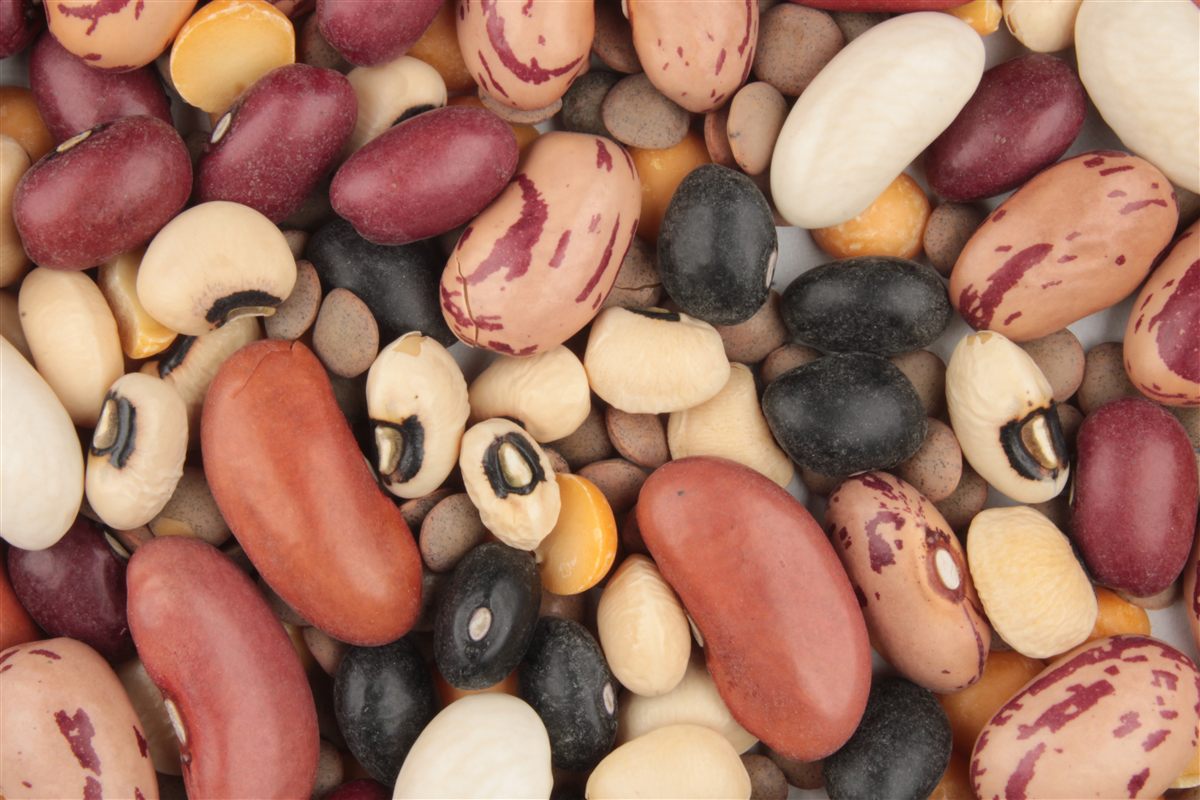
- Mixture of beans, peas and lentilsWikimedia Commons · Photo by Bean appreciator, CC0 public domain dedication.
Public health nutrition research summary for educational purposes. Community nutrition initiatives must be designed with qualified public health and pediatric specialists.
Analysis by NutroPractic from the sources listed. Written for general readers; it does not replace advice from your own doctor.
From our articles
Our guides on this subject
Plain-language guides on nutrition and wellness, backed by research.
Global data
Diabetes, obesity, child malnutrition and hunger, 1980 to 2050: what the numbers show
How diabetes, obesity, child malnutrition and hunger have changed since 1980, with sourced figures and a basic projection to 2050. Click a condition to explore the chart and its facts.
5 Oct 2026

Women's health
Inositol for PCOS: the 40:1 ratio, trial doses, and food milligrams
Why do randomized trials in polycystic ovary syndrome prioritize the 40:1 myo to D-chiro inositol ratio? Here is the science behind the ovarian epimerase paradox, clinical ovulation and insulin metrics, and why cantaloupe cannot replace 4,000 mg trial powder.
21 Nov 2026

Everyday eating
Extra virgin olive oil polyphenols: the EU health claim, smoke point myths, and cooking stability
Does extra virgin olive oil degrade when cooked? What does the EU 5 mg polyphenol health claim require, how does oleocanthal act like ibuprofen, and why does oxidative stability matter more than smoke point in domestic frying? Here is the clinical and culinary data.
21 Nov 2026
Newsfeed for your website
Want this feed on your website?
Add it to any site with one copy-and-paste snippet. No sign-up, and it updates itself every hour.
Start with a virtual consultation
Tell Dr. Triveni what you want to change. You will leave with a clear next step, whether you are in Toronto, London, New York or Chennai.