Surgical oncology nutrition & enterostomal clinical care · November 22, 2026
Stoma-related food avoidance strongly predicts GLIM-compatible malnutrition and weight loss after colorectal cancer surgery in prospective cohort
A prospective longitudinal cohort study tracking colorectal cancer patients following permanent stoma creation discovered that symptom-driven dietary avoidance (fear of pouch leakage, gas, and odor) significantly curtailed energy and protein intake, driving a sharp increase in clinical malnutrition at 3 months post-surgery.
Permanent stoma creation (such as end colostomy or ileostomy) represents a life-saving surgical intervention for patients diagnosed with advanced rectal and colorectal carcinoma. However, transitioning from normal intestinal continuity to living with an external ostomy appliance involves profound physical, psychological, and social adjustments. In the immediate months following hospital discharge, patients frequently develop intense anxiety surrounding pouch security, peristomal skin excoriation, unexpected gas emission, foul odor, and stomal obstruction, prompting widespread, self-imposed dietary restrictions.
To systematically track the nutritional fallout of post-surgical eating behaviours, clinical oncology researchers conducted a prospective longitudinal cohort study following adult colorectal cancer patients who underwent permanent stoma creation. The researchers quantified stoma-related food avoidance using a standardized 0–10 numeric rating scale prior to visit-specific dietary counseling, alongside serial 24-hour dietary recalls, anthropometric measurements, and formal clinical malnutrition diagnosis using the Global Leadership Initiative on Malnutrition (GLIM) criteria across 1- and 3-month follow-up visits.
The longitudinal data revealed that elevated stoma-related food avoidance was widespread and exerted a destructive toll on nutritional recovery. Patients scoring high on stoma-related food avoidance exhibited severe shortfalls in daily caloric intake and protein adequacy, deliberately eliminating high-protein legumes, fibrous vegetables, whole fruits, and dairy products out of fear of diarrhea or ballooning pouches. Multivariable regression modeling confirmed that greater early food avoidance independently predicted significant unintentional weight loss and was strongly associated with a higher adjusted prevalence ratio of GLIM-compatible malnutrition at 3 months post-surgery.
The investigators emphasized that post-stoma malnutrition is largely iatrogenic and driven by unaddressed fears rather than irreversible metabolic pathology. Because malnutrition impairs surgical wound healing, reduces tolerance to adjuvant chemotherapy, and increases readmission rates, the authors concluded that enterostomal therapists and clinical oncology dietitians must implement structured, proactive food reintroduction protocols within the first two weeks post-discharge, reassuring patients and safely expanding dietary diversity.
Prospective longitudinal outcomes of stoma-related food avoidance in colorectal cancer
0 to 10 scale
Validated numeric response scale quantifying symptom-driven food avoidance
Significant
Reduction in daily energy and dietary protein adequacy in high-avoidance patients
GLIM Criteria
Global Leadership Initiative on Malnutrition standardized clinical diagnosis
3 Months
Primary follow-up endpoint confirming sustained post-discharge malnutrition risk
Prospective longitudinal clinical cohort study published in Frontiers in Nutrition (November 2026).
- The Global Leadership Initiative on Malnutrition (GLIM) framework combines phenotypic criteria (involuntary weight loss, low BMI, reduced muscle mass) with etiologic criteria (reduced food intake, disease burden/inflammation).
- Ileostomies typically produce 500 to 1,200 mL of fluid effluent daily, necessitating vigilant hydration with sodium-containing fluids rather than plain water to prevent dehydration.
- Food blockage in ileostomies is most commonly triggered by poorly chewed high-insoluble-fiber foods, such as raw celery, popcorn, sweetcorn kernels, and tough fruit skins.
- Early multidisciplinary post-discharge stoma care programs have been demonstrated to lower 30-day hospital readmission rates by up to 35% in surgical oncology centers.
- Stoma-Related Food Avoidance and Subsequent Weight Change and GLIM-Compatible Malnutrition After Permanent Stoma Creation for Colorectal Cancer: A Prospective Longitudinal Cohort StudyFrontiers in Nutrition · Prospective longitudinal surgical oncology cohort study. Published November 2026.
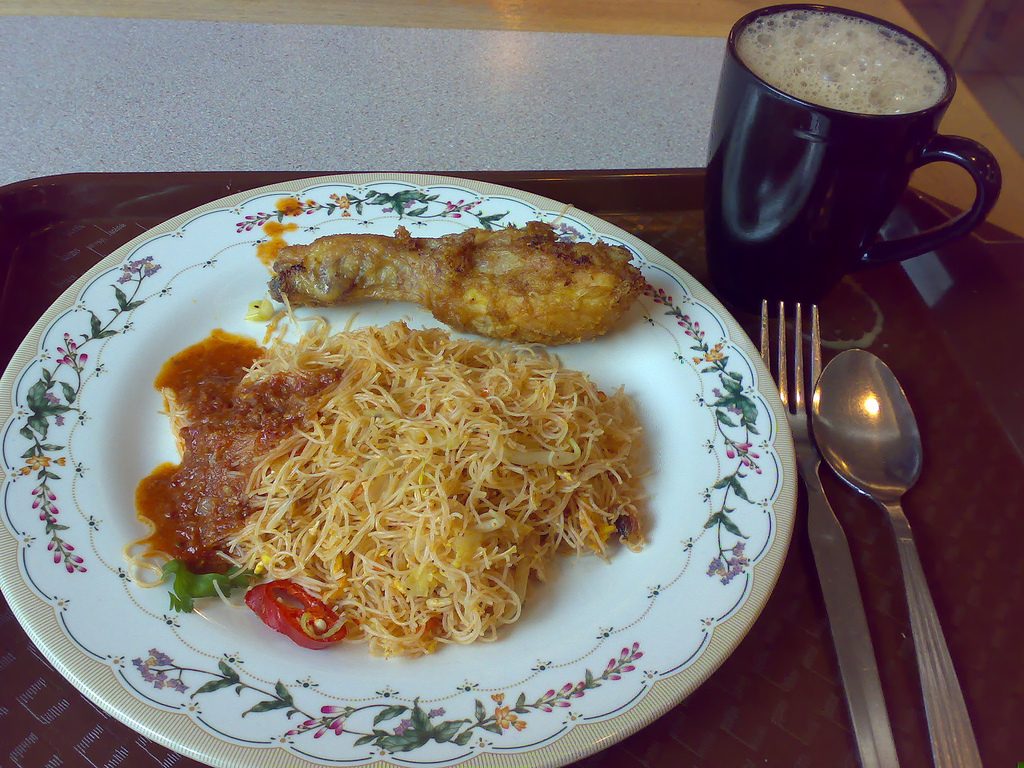
- Hospital lunchWikimedia Commons · Photo by hewyk, CC BY 2.0 license.
Educational summary of surgical oncology and enterostomal nutrition research. Individuals with a new colostomy or ileostomy should work with an enterostomal therapy nurse and specialized clinical dietitian for personalized food reintroduction.
Analysis by NutroPractic from the sources listed. Written for general readers; it does not replace advice from your own doctor.
From our articles
Our guides on this subject
Plain-language guides on nutrition and wellness, backed by research.
Global data
Diabetes, obesity, child malnutrition and hunger, 1980 to 2050: what the numbers show
How diabetes, obesity, child malnutrition and hunger have changed since 1980, with sourced figures and a basic projection to 2050. Click a condition to explore the chart and its facts.
5 Oct 2026
Weight-loss medicines
Eating on Ozempic, Wegovy or Mounjaro: protein first, so the weight you lose isn't your muscle
GLP-1 medicines shrink your appetite, and with it often your protein. In the big trials a quarter to more than a third of the weight lost was lean mass. What the 2025 joint nutrition advisory recommends, the arithmetic for your own target, and four small plates that get there.
8 Oct 2026

Women's health
Inositol for PCOS: the 40:1 ratio, trial doses, and food milligrams
Why do randomized trials in polycystic ovary syndrome prioritize the 40:1 myo to D-chiro inositol ratio? Here is the science behind the ovarian epimerase paradox, clinical ovulation and insulin metrics, and why cantaloupe cannot replace 4,000 mg trial powder.
21 Nov 2026
Newsfeed for your website
Want this feed on your website?
Add it to any site with one copy-and-paste snippet. No sign-up, and it updates itself every hour.
Start with a virtual consultation
Tell Dr. Triveni what you want to change. You will leave with a clear next step, whether you are in Toronto, London, New York or Chennai.