Vitamins & cognitive aging · November 29, 2026
Colon-targeted multivitamin raised hippocampus fMRI responses during memory tests in 75 older adults, but not memory scores
A 6-week randomized trial in older adults tested vitamins B2, B3, B6, B9, C, and D3 delivered in a colon-targeted capsule. fMRI showed greater working memory activation in the hippocampus and right prefrontal cortex, though working memory task scores and fecal short-chain fatty acids did not change.
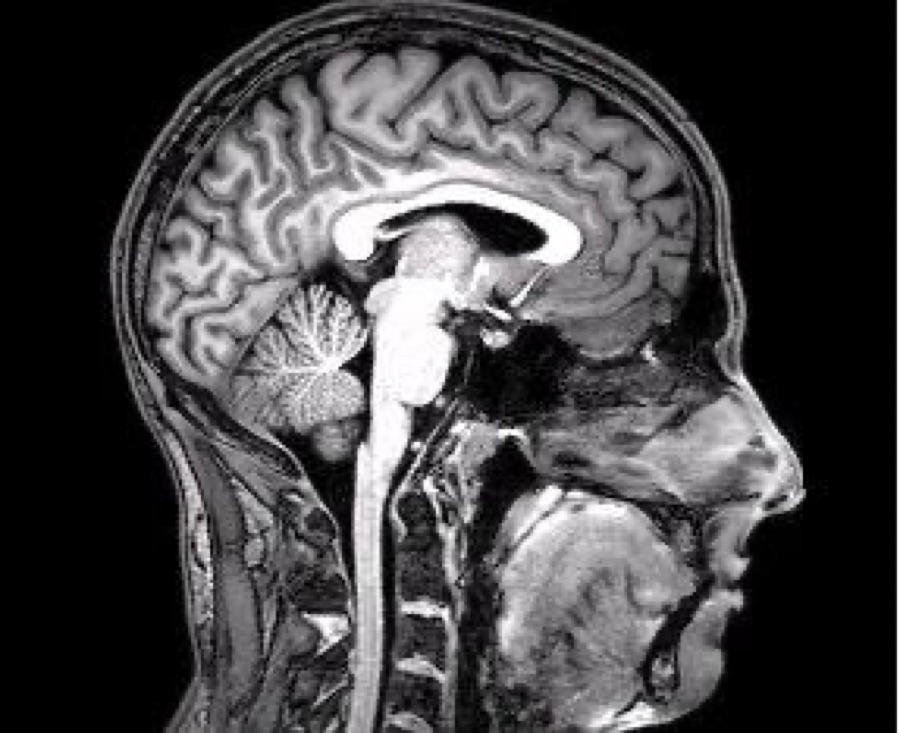
The gut-brain axis is a growing focus in cognitive aging research, and this trial tested whether vitamins delivered to the colon, rather than absorbed higher up, change brain responses in older adults.
In The American Journal of Clinical Nutrition, researchers conducted the COMBI trial (ClinicalTrials.gov NCT05675007), a double-blind, randomized, placebo-controlled study in 75 older adults aged 60 to 75 who had lifestyle-related risk factors for cognitive decline. Participants took a daily capsule with a colon-targeted release coating containing vitamins B2, B3, B6, B9, C, and D3, or a matched placebo, for six weeks. Pre- and post-intervention evaluations included neuroimaging (fMRI during an n-back working memory task), fecal short-chain fatty acid (SCFA) profiling, and blood biomarkers.
Working memory-related fMRI activation was higher in the multivitamin group than in the placebo group in the hippocampus (b = 0.05, 95% CI 0.01 to 0.08, p = 0.01). In the dorsolateral prefrontal cortex (dlPFC) as a whole the difference fell just short of significance (b = 0.08, 95% CI 0.00 to 0.16, p = 0.06); it was driven by the right dlPFC (p = 0.02).
However, the intervention did not produce statistically significant between-group changes in total fecal SCFA concentrations (b = 5.38, 95% CI -4.95 to 15.7) or in working memory task performance (b = 0.10, 95% CI -0.19 to 0.40). Across the whole cohort regardless of treatment arm, within-subject increases in fecal SCFAs correlated with dlPFC activation (rho = 0.31, p = 0.02) and n-back performance (rho = 0.43, p = 0.001). The authors read this as human evidence for gut-brain communication in cognitive aging, while noting that the supplement itself changed brain responses without changing fecal SCFAs or memory performance.
Colon-targeted multivitamin COMBI RCT in older adults (n = 75)
p = 0.01
higher hippocampus working-memory fMRI response vs placebo (b = 0.05)
p = 0.02
higher right dlPFC activation during working memory task on fMRI
b = 0.10 (p = ns)
difference in n-back working memory performance between groups (95% CI -0.19 to 0.40)
b = 5.38 (p = ns)
difference in total fecal SCFAs between groups (95% CI -4.95 to 15.7)
Double-blind, randomized, placebo-controlled COMBI trial in The American Journal of Clinical Nutrition, November 2026. 75 older adults aged 60-75. Daily colon-targeted release capsule for 6 weeks.
- The capsule had a colon-targeted coating, so the vitamins were meant to be released in the colon.
- While the 6-week intervention altered regional brain fMRI activation, cognitive test performance itself did not significantly change.
- Colon-targeted multivitamin supplementation enhances working memory-related fMRI responses in older adults: a randomized, placebo-controlled trialThe American Journal of Clinical Nutrition, 27 Nov 2026 · COMBI randomized controlled trial (NCT05675007).
This article is general information about published research, not medical advice. It does not diagnose, treat or replace care from a qualified health professional. Talk to your doctor before starting a supplement or changing your diet, especially if you are pregnant, have a medical condition or take medicines.
Analysis by NutroPractic from the sources listed. Written for general readers; it does not replace advice from your own doctor.
From our articles
Our guides on this subject
Plain-language guides on nutrition and wellness, backed by research.

Women's wellness and nutrition
Creatine for women: cognitive performance, menstrual cycle phases, and bone density beyond muscle building
Creatine is widely stereotyped as a bodybuilding supplement for men, but female physiology tells a very different story. Women exhibit 70% to 80% lower endogenous creatine stores, reduced dietary intake, and cyclical fluctuations in brain creatine kinase across the follicular and luteal phases. Robust clinical trials demonstrate that 3 to 5 grams of daily creatine monohydrate enhances cognitive performance during sleep deprivation, augments clinical response in unipolar depression, preserves femoral neck bone geometry in postmenopausal women, and causes cellular intracellular hydration rather than subcutaneous bloating.
13 Nov 2026
Healthy ageing
Creatine beyond the gym: what it does for older adults and women, and what it doesn't
Across 22 trials, adults in their late fifties to seventies who took creatine while doing resistance training gained about 1.4 kg more lean mass than those who trained without it. Two two-year trials found it did nothing for bone density after menopause. Where the evidence is solid, where it's early (memory, short nights), how much to take, and who should leave it alone.
10 Oct 2026

Supplements and vitamins
Spermidine from food or capsules: measured milligrams in wheat germ, soybeans and cheese, and what the one year-long trial found
Wheat germ holds about 22 to 34 mg of spermidine per 100 g, matured cheese about 0.12 mg. The only year-long capsule trial used 0.9 mg a day and found no memory benefit. Measured values, worked doses and safety.
22 Nov 2026
Newsfeed for your website
Want this feed on your website?
Add it to any site with one copy-and-paste snippet. No sign-up, and it updates itself every hour.
Start with a virtual consultation
Tell Dr. Triveni what you want to change. You will leave with a clear next step, whether you are in Toronto, London, New York or Chennai.