Clinical nutrition & inflammatory markers · November 19, 2026
Fourteen weeks of carnosine did not budge inflammatory markers in adults with prediabetes
A double-blind randomized trial in 49 adults with prediabetes and well-controlled type 2 diabetes found that 2 grams daily of carnosine produced no significant changes in circulating cytokines or adipokines compared to placebo.
Chronic low-grade inflammation and dysregulated adipokine secretion play a central role in driving insulin resistance and cardiovascular pathology in prediabetes and type 2 diabetes. Carnosine, a naturally occurring dipeptide of beta-alanine and L-histidine found abundantly in muscle and neural tissue, has displayed anti-glycating, antioxidant, and anti-inflammatory properties in preclinical models, leading to suggestions that it could help manage human metabolic inflammation.
To test whether these laboratory findings translate into clinical practice, researchers conducted a double-blind, randomized controlled trial enrolling 49 adults with prediabetes or early, well-managed type 2 diabetes treated with diet or metformin. Participants were assigned to take either 2 grams per day of pure carnosine or an identical placebo for 14 weeks.
Investigators quantified a comprehensive panel of systemic inflammatory cytokines and adipose-derived hormones at baseline and post-intervention. Evaluated markers included high-sensitivity C-reactive protein (hs-CRP), interleukin-6 (IL-6), interleukin-10 (IL-10), tumor necrosis factor-alpha (TNF-alpha), monocyte chemoattractant protein-1 (MCP-1), adiponectin, leptin, adipsin, serpin, and resistin.
After 14 weeks, statistical analysis revealed no significant differences in the trajectories of any measured cytokine or adipokine between the carnosine and placebo groups. Adjustments for age, sex, visceral fat volume, and total body fat percentage did not alter the neutral findings. The researchers conclude that while oral carnosine is well tolerated, daily 2-gram supplementation does not meaningfully suppress systemic inflammatory markers in stable prediabetic adults.
Serum inflammatory markers and adipokines after 14 weeks of 2 g/day carnosine
49
Adults with prediabetes or well-controlled type 2 diabetes randomized
2 g/day
Daily oral dosage of carnosine dipeptide administered
14 weeks
Duration of double-blind, placebo-controlled intervention
10
Inflammatory cytokines and adipokines showing no significant change
Double-blind, randomized, placebo-controlled trial. Supplementation did not alter hs-CRP, IL-6, TNF-alpha, MCP-1, or adipokine profiles compared to placebo.
- Carnosine is an endogenous dipeptide found in high concentrations in skeletal muscle, brain tissue, and cardiac muscle.
- The enzyme carnosinase in human serum rapidly hydrolyzes ingested carnosine into beta-alanine and histidine, which may limit tissue accumulation.
- Adipokines are bioactive signaling molecules secreted by adipose tissue that modulate systemic inflammation and insulin sensitivity.
- Laboratory anti-glycating effects observed in cell culture models often require concentrations far higher than those achievable through standard oral doses.
- Carnosine Supplementation Has No Effect on Inflammatory Markers in Adults with Prediabetes and Type 2 Diabetes: A Randomised Controlled TrialNutrients / MDPI · Randomized, double-blind, placebo-controlled trial in 49 adults. Published 14 November 2026.
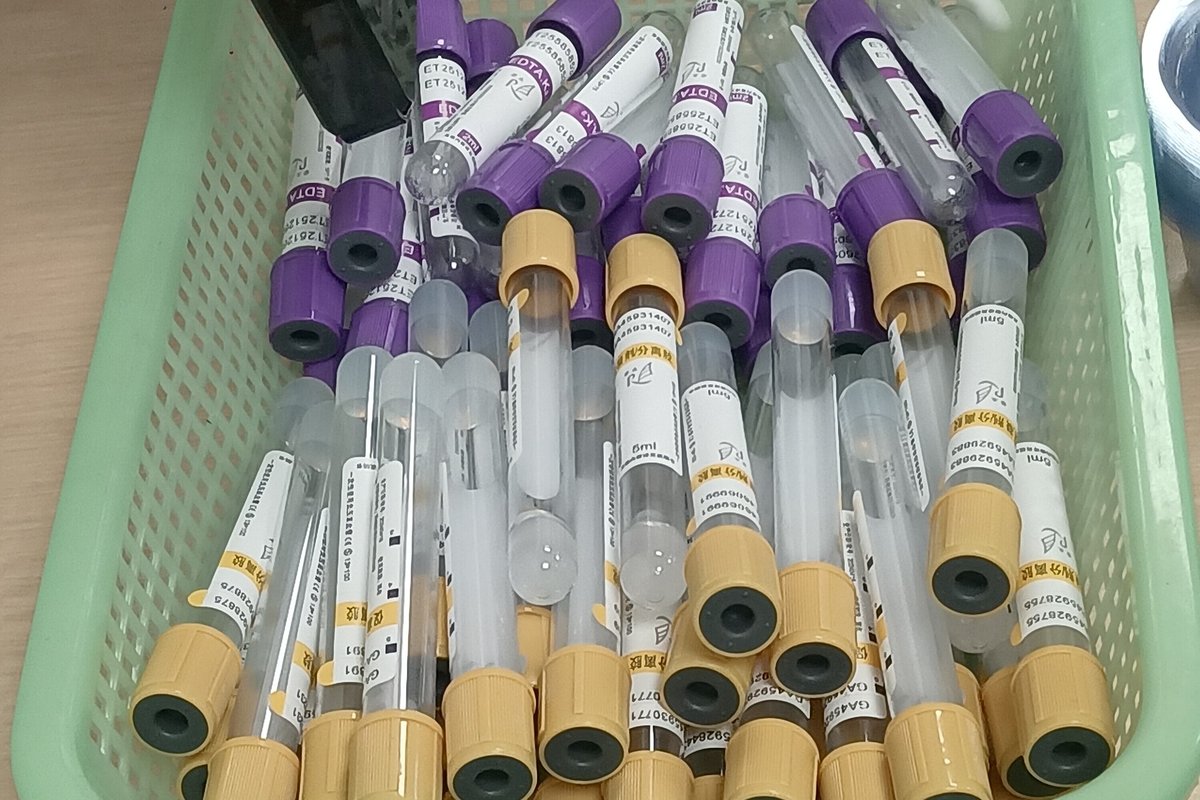
- Blood collection renal function test tubeWikimedia Commons · Photo by Fumikas Sagisavas, CC0 public domain dedication.
Clinical nutrition research information, not therapeutic guidance. Individuals managing prediabetes or diabetes should maintain prescribed medical and dietary regimens under clinical supervision.
Analysis by NutroPractic from the sources listed. Written for general readers; it does not replace advice from your own doctor.
From our articles
Our guides on this subject
Plain-language guides on nutrition and wellness, backed by research.

Cardiovascular wellness
Psyllium husk: how much soluble fibre lowers LDL cholesterol and stabilizes post-meal glucose in clinical trials
Viscous soluble fibre forms a thick gel matrix in the small intestine that binds bile acids and blunts post-meal glucose spikes. Across dozens of randomized controlled trials, 7 to 10.2 grams of psyllium daily lowers LDL cholesterol by 6% to 12% without stripping HDL, while reducing postprandial glucose surges by 15% to 25% in metabolic syndrome and type 2 diabetes. Discover the bile acid sequestration mechanism, trial meta-analyses, exact timing before meals, water ratios, and titration protocols to avoid gas and cramping.
13 Nov 2026
Diabetes
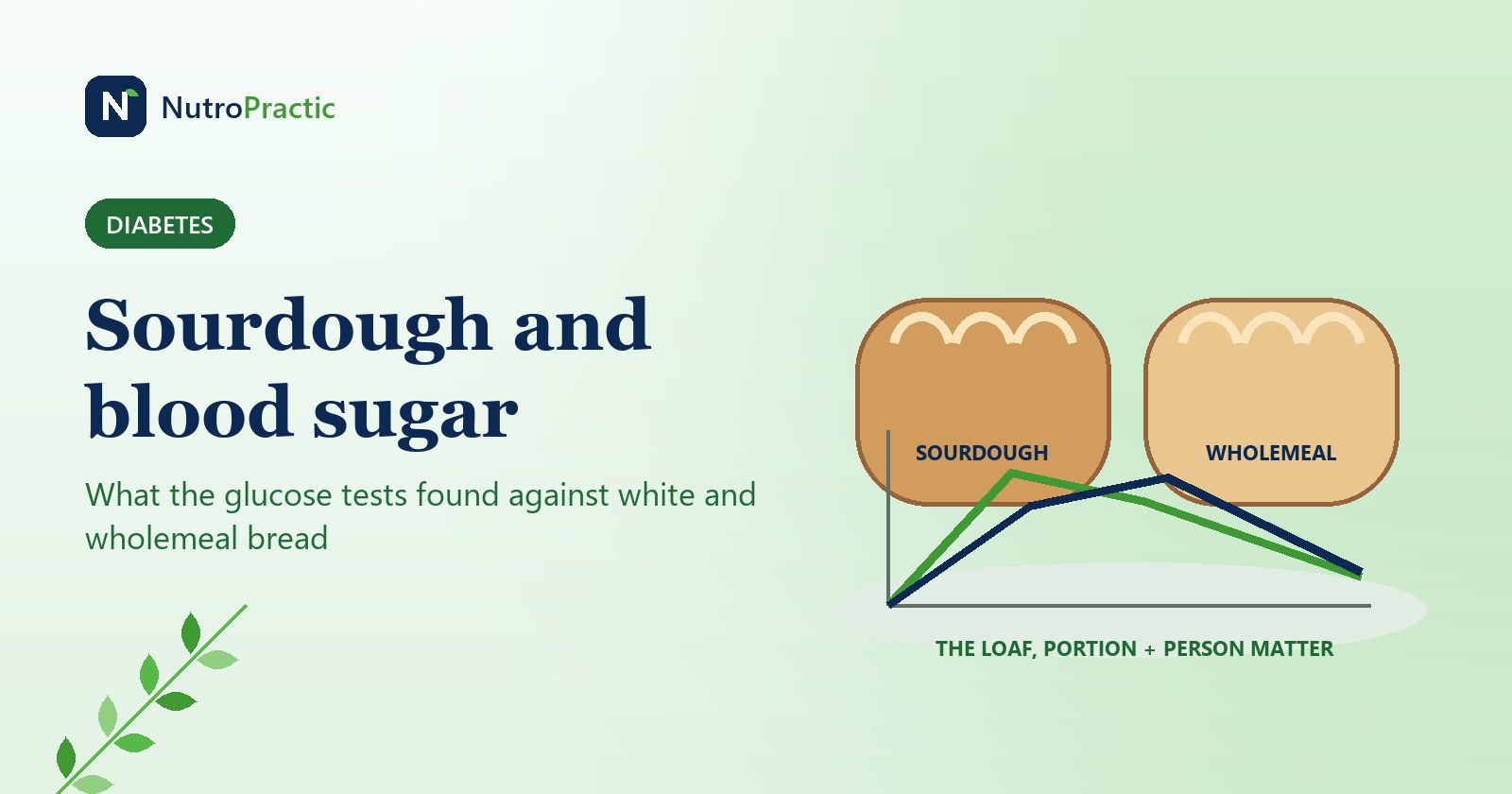
Sourdough and blood sugar: what the glucose tests found against white and wholemeal bread
Sourdough did not beat white bread on average in a 20-person crossover trial, and half responded better to white. A trial-by-trial look at fermentation, flour, portions, GI and how to test your own loaf fairly.
6 Nov 2026
Diabetes
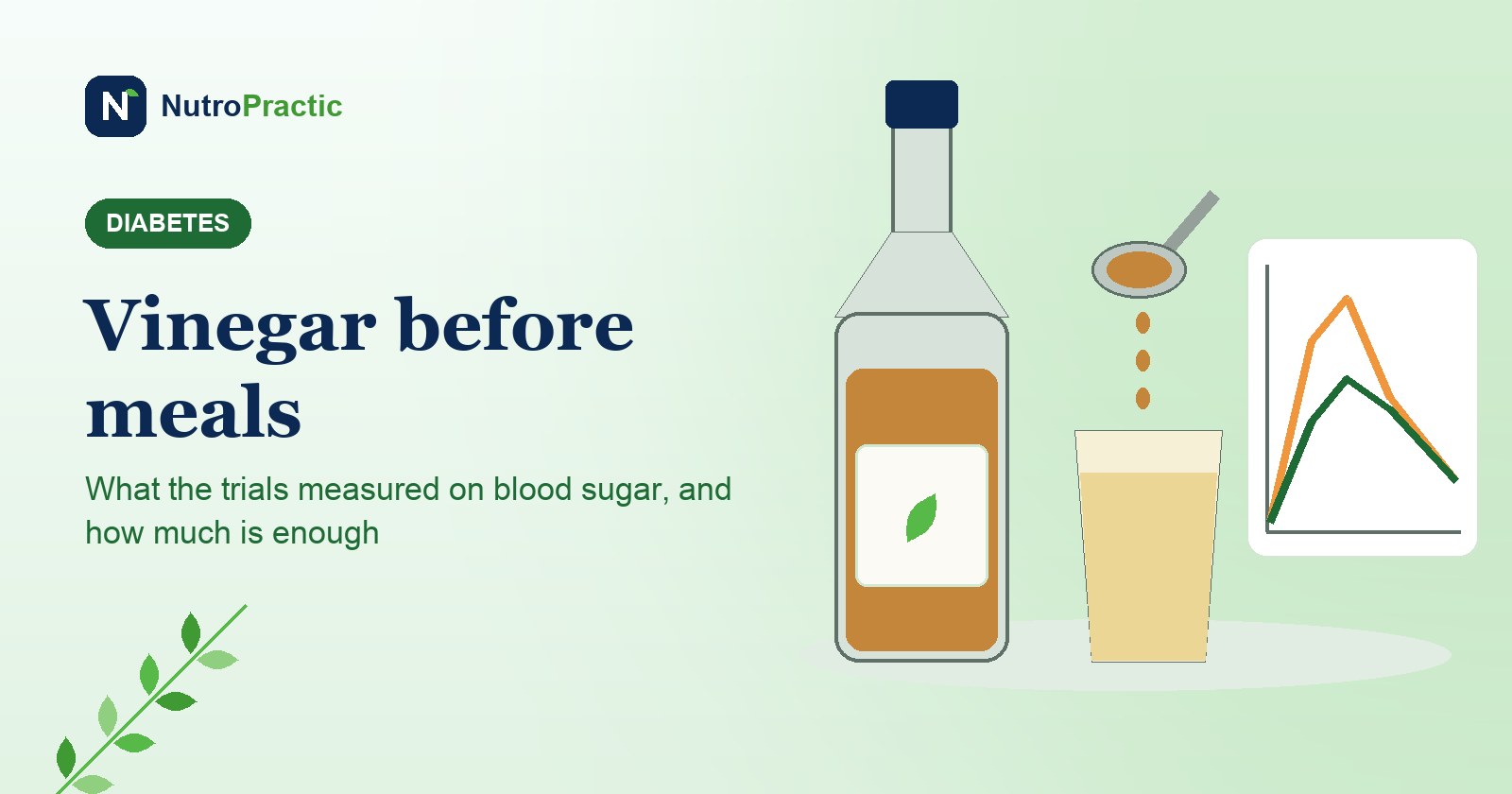
Vinegar before meals: what the trials measured on blood sugar, and how much is enough
Two teaspoons to a tablespoon with a starchy meal trims the glucose peak at 30 minutes, and the gap fades by two hours. HbA1c reviews range from -0.39 to -1.53, and we explain which to trust. Two gummies hold about 50 mg of acetic acid against 750 mg in a tablespoon.
5 Nov 2026
Newsfeed for your website
Want this feed on your website?
Add it to any site with one copy-and-paste snippet. No sign-up, and it updates itself every hour.
Start with a virtual consultation
Tell Dr. Triveni what you want to change. You will leave with a clear next step, whether you are in Toronto, London, New York or Chennai.