Lipid metabolism & liver health · November 19, 2026
Swapping dietary carbs for protein and fat cleared liver fat and improved LDL subclasses in diabetes
Across two randomized controlled trials, replacing carbohydrates with protein and fat reduced liver fat by up to 55% and reduced atherogenic small-dense LDL particles in adults with type 2 diabetes, independent of weight loss.
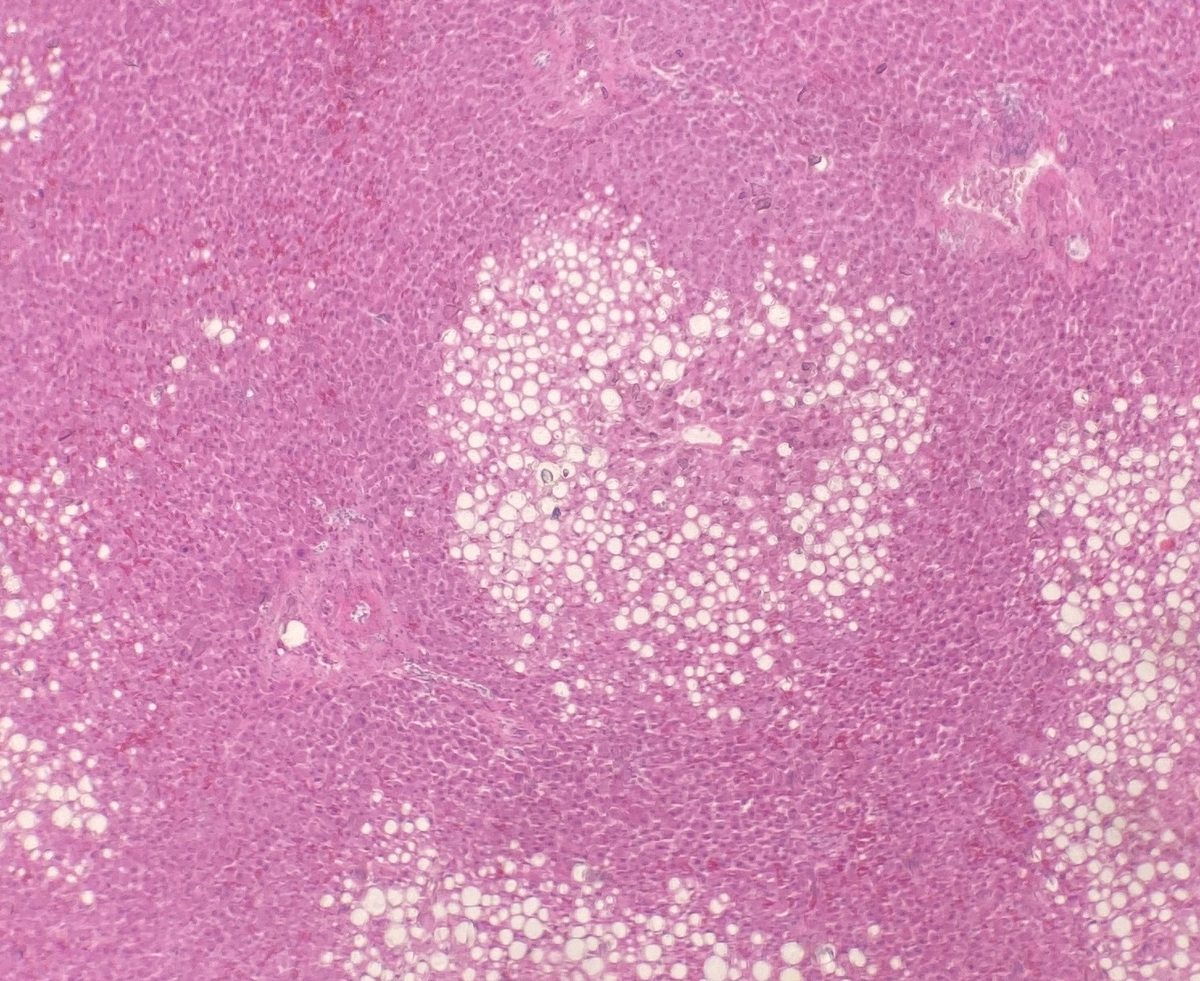
Hepatic steatosis (fatty liver) and atherogenic dyslipidemia are closely coupled metabolic disturbances in type 2 diabetes, both fueled by elevated rates of hepatic de novo lipogenesis. While deliberate caloric restriction and weight loss are known to decrease liver fat, it has remained an open question whether shifting macronutrient quality alone—specifically exchanging carbohydrates for protein and fat—can directly remodel liver fat and atherogenic lipoprotein subclasses without weight change.
In a study published in The American Journal of Clinical Nutrition, researchers analyzed data from two rigorously controlled randomized clinical trials in which all meals were prepared and provided by a metabolic research kitchen. The first trial evaluated an isoenergetic weight-maintenance crossover design, while the second examined a hypoenergetic weight-loss parallel-group design. Both compared a carbohydrate-reduced high-protein (CRHP) diet against a conventional diabetes diet.
During weight-maintenance conditions, shifting to the CRHP diet slashed intrahepatic triacylglycerol (liver fat) by 55%, while in the active weight-loss trial, liver fat fell by 26%. Furthermore, these reductions in hepatic steatosis were accompanied by marked improvements in circulating lipid architecture: concentrations of atherogenic triacylglycerol-rich lipoproteins and small-dense LDL particles (specifically LDL5) dropped significantly, while the ratio of cardioprotective HDL2 to HDL3 increased.
Crucially, the degree of liver fat clearance correlated directly with favorable shifts in lipoprotein subclasses even in the absence of body weight changes. The investigators conclude that reducing dietary carbohydrate in favor of protein and unsaturated fats exerts a direct therapeutic influence on hepatic lipid handling, presenting an effective dietary strategy to mitigate cardiovascular risk in type 2 diabetes independently of calorie counting.
Hepatic fat reduction and lipoprotein improvements on carbohydrate-reduced diets
-55%
Reduction in intrahepatic triacylglycerol during weight maintenance
-26%
Reduction in intrahepatic triacylglycerol during active weight loss
LDL5
Atherogenic small-dense low-density lipoprotein subclass significantly reduced
2
Full-feeding metabolic kitchen randomized controlled trials analyzed
Metabolic kitchen feeding trials in adults with type 2 diabetes. Macronutrient substitution cleared hepatic fat and improved atherogenic lipid fractions independently of weight reduction.
- De novo lipogenesis is the biochemical process whereby the liver converts excess dietary carbohydrates into fatty acids.
- Small-dense LDL particles (such as LDL5) penetrate arterial walls and oxidize much more readily than large, buoyant LDL particles.
- Intrahepatic fat accumulation directly impairs hepatic insulin signaling, driving continuous overproduction of triglyceride-rich VLDL.
- In full-feeding metabolic kitchen trials, all foods and beverages are weighed and prepared by dietitians to ensure precise macronutrient compliance.
- Replacing dietary carbohydrate with protein and fat improves lipoprotein subclass profile and liver fat in type 2 diabetes independent of body weight: evidence from 2 randomized controlled trialsThe American Journal of Clinical Nutrition / Elsevier · Analysis of two randomized metabolic feeding trials. Published November 2026.
- Histopathology of centrilobular steatosis of the liverWikimedia Commons · Image by Mikael Häggström, CC0 public domain dedication.
Nutritional biochemistry and metabolic research information, not clinical advice. Patients adjusting dietary macronutrient ratios should consult their physician or registered dietitian, especially when taking glucose-lowering medications.
Analysis by NutroPractic from the sources listed. Written for general readers; it does not replace advice from your own doctor.
From our articles
Our guides on this subject
Plain-language guides on nutrition and wellness, backed by research.

Cardiovascular wellness
Psyllium husk: how much soluble fibre lowers LDL cholesterol and stabilizes post-meal glucose in clinical trials
Viscous soluble fibre forms a thick gel matrix in the small intestine that binds bile acids and blunts post-meal glucose spikes. Across dozens of randomized controlled trials, 7 to 10.2 grams of psyllium daily lowers LDL cholesterol by 6% to 12% without stripping HDL, while reducing postprandial glucose surges by 15% to 25% in metabolic syndrome and type 2 diabetes. Discover the bile acid sequestration mechanism, trial meta-analyses, exact timing before meals, water ratios, and titration protocols to avoid gas and cramping.
13 Nov 2026

Indian kitchen
Dal and pulses in an Indian kitchen: protein, soaking, gas and blood sugar
A katori of dal gives about 6 to 10 g of protein, depending on how much raw dal goes in. What India's food tables and the ICMR-NIN 2024 guidelines say about rice with dal, how much soaking, sprouting and pressure cooking cut phytate and the sugars behind the gas, the GI of chana dal and rajma, raw rajma safety, and a worked plate for diabetes.
25 Oct 2026
Heart health
Oats and beta-glucan: how many grams lower LDL, and how much steel-cut, rolled and instant oats it takes
The 3 g a day of beta-glucan behind the FDA and EFSA claims lowers LDL by about 0.25 mmol/L (10 mg/dL). That is roughly 60 to 68 g of dry oats or 50 g of oat bran a day. Grams per portion, glycaemic index by oat type and the gluten caveat.
17 Nov 2026
Newsfeed for your website
Want this feed on your website?
Add it to any site with one copy-and-paste snippet. No sign-up, and it updates itself every hour.
Start with a virtual consultation
Tell Dr. Triveni what you want to change. You will leave with a clear next step, whether you are in Toronto, London, New York or Chennai.