Gut microbiome · November 13, 2026
After weight loss, 20 weeks of low-, moderate- or high-carb food did not produce distinct overall gut-microbiome profiles
The controlled feeding study changed carbohydrate from 20% to 60% of energy while holding protein steady, yet compositional differences were not detected.
An ancillary analysis used the Framingham State Food Study, a controlled feeding trial in adults with overweight or obesity. After an initial weight-loss phase, 164 participants were randomized to food providing 20%, 40% or 60% of energy from carbohydrate for 20 weeks; fat moved in the opposite direction and protein stayed at 20%.
Weight loss itself was accompanied by substantial microbiome shifts. Once participants moved into weight-loss maintenance, however, the researchers did not detect overall compositional differences attributable to the three carbohydrate-to-fat ratios.
One bacterial genus, Shuttleworthia, changed in parallel with maintenance of total energy expenditure. That is a correlation inside an ancillary study, not evidence that the organism controls metabolism or that changing it would help maintain weight loss.
Controlled feeding is a strength because the diets were supplied rather than only recalled. But a null result for overall composition does not mean the diets were biologically identical, nor does it settle questions about fibre type, food quality, microbial function or longer-term health.
Framingham State Food Study microbiome analysis (6 November 2026)
164
Adults randomized in parent feeding trial
20 weeks
Weight-maintenance feeding phase
20% / 40% / 60%
Energy from carbohydrate
20%
Energy from protein in all groups
Not detected
Overall microbiome difference by diet ratio
Ancillary analysis of a controlled feeding trial after weight loss. The main finding was a lack of detectable compositional separation by carbohydrate-to-fat ratio.
- Microbiome composition describes which organisms are present and their relative abundance; function can differ even when composition looks similar.
- A controlled feeding trial reduces uncertainty about what food participants received.
- Changing carbohydrate percentage also changes fat percentage unless total energy or another macronutrient changes.
- Weight loss can itself alter the gut environment, making the timing of microbiome sampling important.
- Effects of dietary carbohydrate-to-fat ratio on the gut microbiome following weight lossCell Reports Medicine / PubMed · Primary ancillary-study abstract with diet ratios, duration and microbiome findings. Published 6 November 2026.
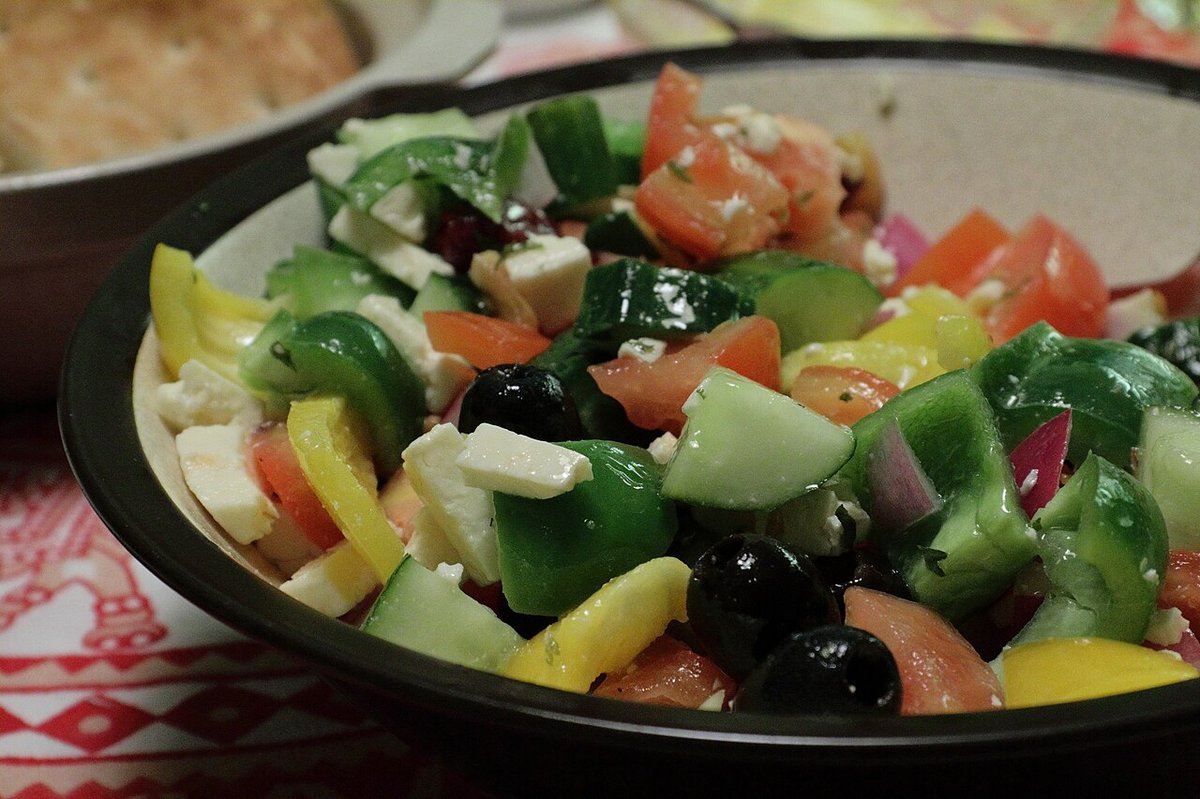
- Greek saladWikimedia Commons · Geoff Peters, CC BY 2.0. General food illustration only.
General information, not a prescription for a low- or high-carbohydrate diet. Food quality, medical conditions, medicines and individual nutrition needs all matter.
Analysis by NutroPractic from the sources listed. Written for general readers; it does not replace advice from your own doctor.
From our articles
Our guides on this subject
Plain-language guides on nutrition and wellness, backed by research.

Gut health
Probiotic capsules: which ones have trial evidence, what they can do, and when to skip them
Children on antibiotics: 8% got diarrhoea with a probiotic, 19% without. Older hospital patients: 10.8% with, 10.4% without. Which capsules have evidence, what three guidelines say about IBS, what a course costs per case prevented, and who shouldn't take them.
2 Nov 2026
Gut health
Gluten-free without coeliac disease: who actually benefits, and what the blinded gluten challenges found
In blinded trials only 16% of people who said gluten made them ill reacted to gluten rather than placebo, and in Oslo fructans caused more bloating than gluten. Who really needs to avoid it, how to get tested before you stop, how much gluten is in a slice of bread or a roti, and what gluten-free food costs (159% more in the UK) and lacks.
1 Nov 2026
Gut health
Lactose intolerance: how much milk most people can actually tolerate, and which dairy is easiest
Most adults who don't digest lactose well still handle about 12 g at once, roughly a 250 ml glass of milk, in blinded trials. What the 12 g studies found, a lactose table for milk, yoghurt, cheese, chai and dahi, how lactase tablets and A2 milk compare, why the famous 68% figure was retracted, and how to keep calcium up if you cut back.
25 Oct 2026
Newsfeed for your website
Want this feed on your website?
Add it to any site with one copy-and-paste snippet. No sign-up, and it updates itself every hour.
Start with a virtual consultation
Tell Dr. Triveni what you want to change. You will leave with a clear next step, whether you are in Toronto, London, New York or Chennai.