Dairy science & functional therapeutic nutrition · November 22, 2026
Camel milk exhibits unique bioactive profile with low allergenicity and insulin-like peptides in comprehensive scientific review
A scientific review bridging traditional pastoral ethnomedicine with modern molecular biochemistry revealed that camel milk lacks beta-lactoglobulin—rendering it non-allergenic for many with cow's milk protein allergy—and delivers threefold higher vitamin C and gastric acid-resistant insulin-like proteins, while highlighting hurdles in standard industrial pasteurization.
For thousands of years, nomadic and pastoral communities across the Middle East, Central Asia, and the Horn of Africa have depended on dromedary and Bactrian camel milk as an indispensable source of hydration, energy, and traditional therapeutic nutrition in hyper-arid environments. In recent years, commercial interest in camel milk has surged across global functional beverage markets, driven by enthusiastic claims regarding glycemic management, gastrointestinal health, and hypoallergenic properties. However, clinical implementation requires distinguishing molecular reality from commercial marketing lore.
To bridge ethnopharmacological history with rigorous laboratory evidence, nutritional biochemists published an exhaustive critical review in Frontiers in Nutrition synthesizing proteomic, immunological, and metabolic data on camel milk. The analysis thoroughly benchmarked the macronutrient and micronutrient composition of camel milk against bovine, caprine, and human breast milk, examining its structural proteins, lipid globule size, and clinical outcomes across pediatric allergy and diabetes cohorts.
The biochemical review highlighted several critical compositional distinctions. Foremost, camel milk completely lacks beta-lactoglobulin, the primary whey allergen responsible for cow's milk protein allergy (CMPA) in infants and young children, making it safe and well-tolerated in clinical challenge trials of cow-milk-allergic pediatric patients. Additionally, camel milk contains three to five times higher concentrations of ascorbic acid (vitamin C) compared to bovine milk, alongside unique heavy-chain-only immunoglobulins (VHH nanobodies) and high molecular concentrations of insulin-like peptides encapsulated in lipid nanoparticles that partially resist gastric proteolysis.
Despite these promising therapeutic characteristics, the authors cautioned that significant translational barriers remain. Camel milk displays heat-coagulation properties distinct from cow's milk: conventional high-temperature short-time (HTST) pasteurization causes premature protein denaturation and alters sensory properties, requiring specialized thermal or non-thermal processing protocols. The review concludes that while camel milk represents a valuable, hypoallergenic functional dairy matrix with documented glycemic benefits in type 2 diabetes, large-scale randomized trials with standardized processing are essential before formal clinical guidelines can be established.
Comparative biochemical and clinical profile of camel milk vs bovine milk
0% Beta-LG
Complete absence of beta-lactoglobulin eliminates primary bovine milk allergen
3x to 5x
Higher ascorbic acid (vitamin C) concentration compared to cow's milk
Encapsulated
Insulin-like peptides resist gastric acid digestion in lipid nanoparticles
VHH Antibodies
Unique heavy-chain single-domain immunoglobulins with potent antimicrobial action
Comprehensive biochemical and clinical review published in Frontiers in Nutrition (November 2026).
- Camel milk does not readily form a curd under standard bovine cheese-making rennet conditions due to distinct kappa-casein micelle structures and lower total solids.
- In arid desert regions where citrus fruits and green leafy vegetables are scarce, camel milk historically served as the primary dietary source of vitamin C, preventing scurvy.
- Dromedary camel antibodies consist only of two heavy chains with no light chains; their tiny antigen-binding fragments (nanobodies) are now widely used in modern pharmaceutical research.
- Clinical trials in patients with type 1 and type 2 diabetes have demonstrated that daily consumption of 500 mL of fresh camel milk can reduce required exogenous insulin doses by 30% to 35%.
- Camel milk—From traditions to evidence: current knowledge and research gapsFrontiers in Nutrition · Comprehensive biochemical and ethnopharmacological review. Published 20 November 2026.
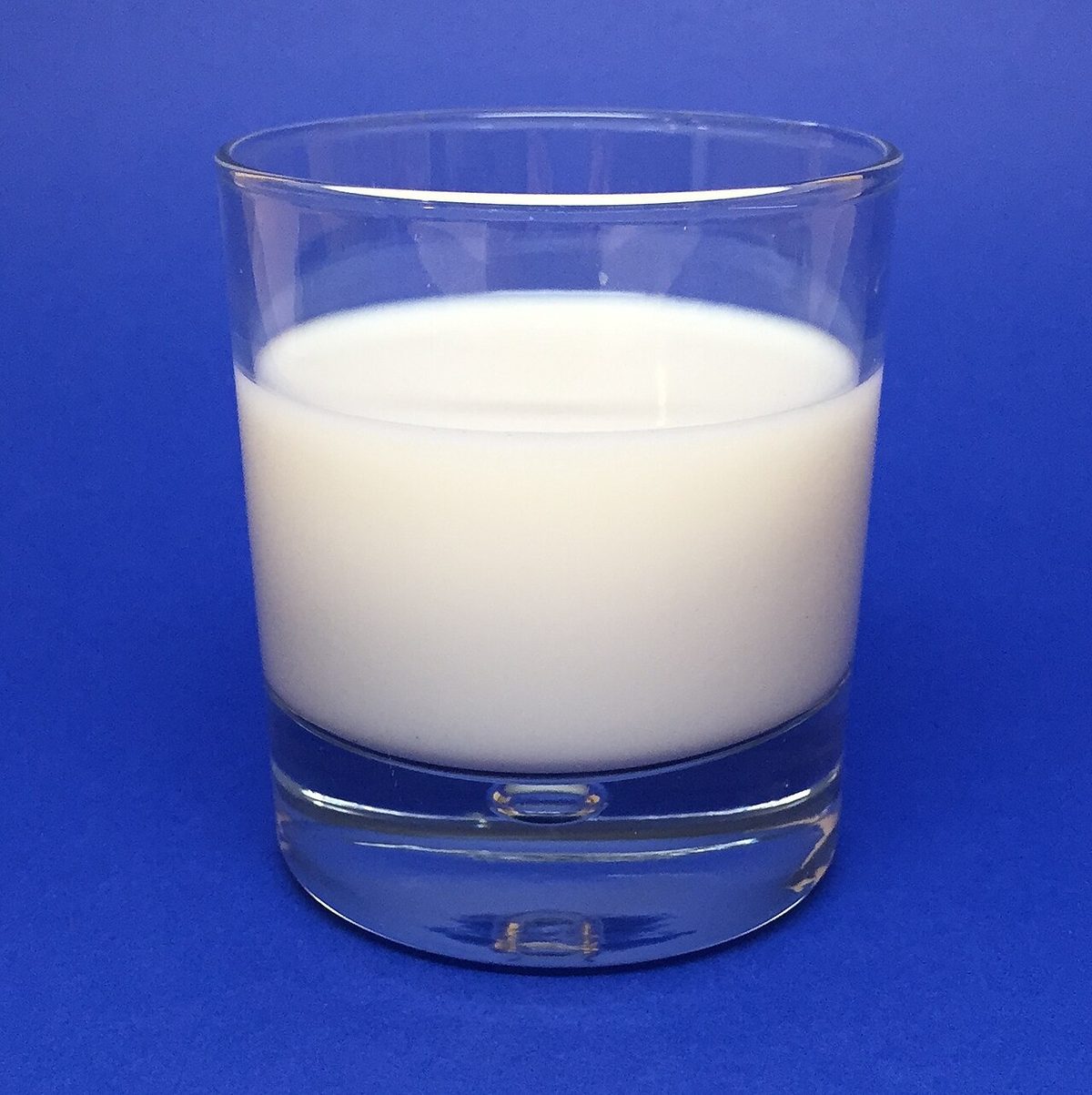
- Glass of MilkWikimedia Commons · Photo by NIAID, CC BY 2.0 license.
Educational summary of dairy biochemistry and nutritional research. Individuals with severe dairy allergies or diabetes should consult their physician or allergist before introducing novel dairy products.
Analysis by NutroPractic from the sources listed. Written for general readers; it does not replace advice from your own doctor.
From our articles
Our guides on this subject
Plain-language guides on nutrition and wellness, backed by research.
Indian kitchen
Dal and pulses in an Indian kitchen: protein, soaking, gas and blood sugar
A katori of dal gives about 6 to 10 g of protein, depending on how much raw dal goes in. What India's food tables and the ICMR-NIN 2024 guidelines say about rice with dal, how much soaking, sprouting and pressure cooking cut phytate and the sugars behind the gas, the GI of chana dal and rajma, raw rajma safety, and a worked plate for diabetes.
25 Oct 2026

Cardiovascular wellness
Psyllium husk: how much soluble fibre lowers LDL cholesterol and stabilizes post-meal glucose in clinical trials
Viscous soluble fibre forms a thick gel matrix in the small intestine that binds bile acids and blunts post-meal glucose spikes. Across dozens of randomized controlled trials, 7 to 10.2 grams of psyllium daily lowers LDL cholesterol by 6% to 12% without stripping HDL, while reducing postprandial glucose surges by 15% to 25% in metabolic syndrome and type 2 diabetes. Discover the bile acid sequestration mechanism, trial meta-analyses, exact timing before meals, water ratios, and titration protocols to avoid gas and cramping.
13 Nov 2026
Diabetes
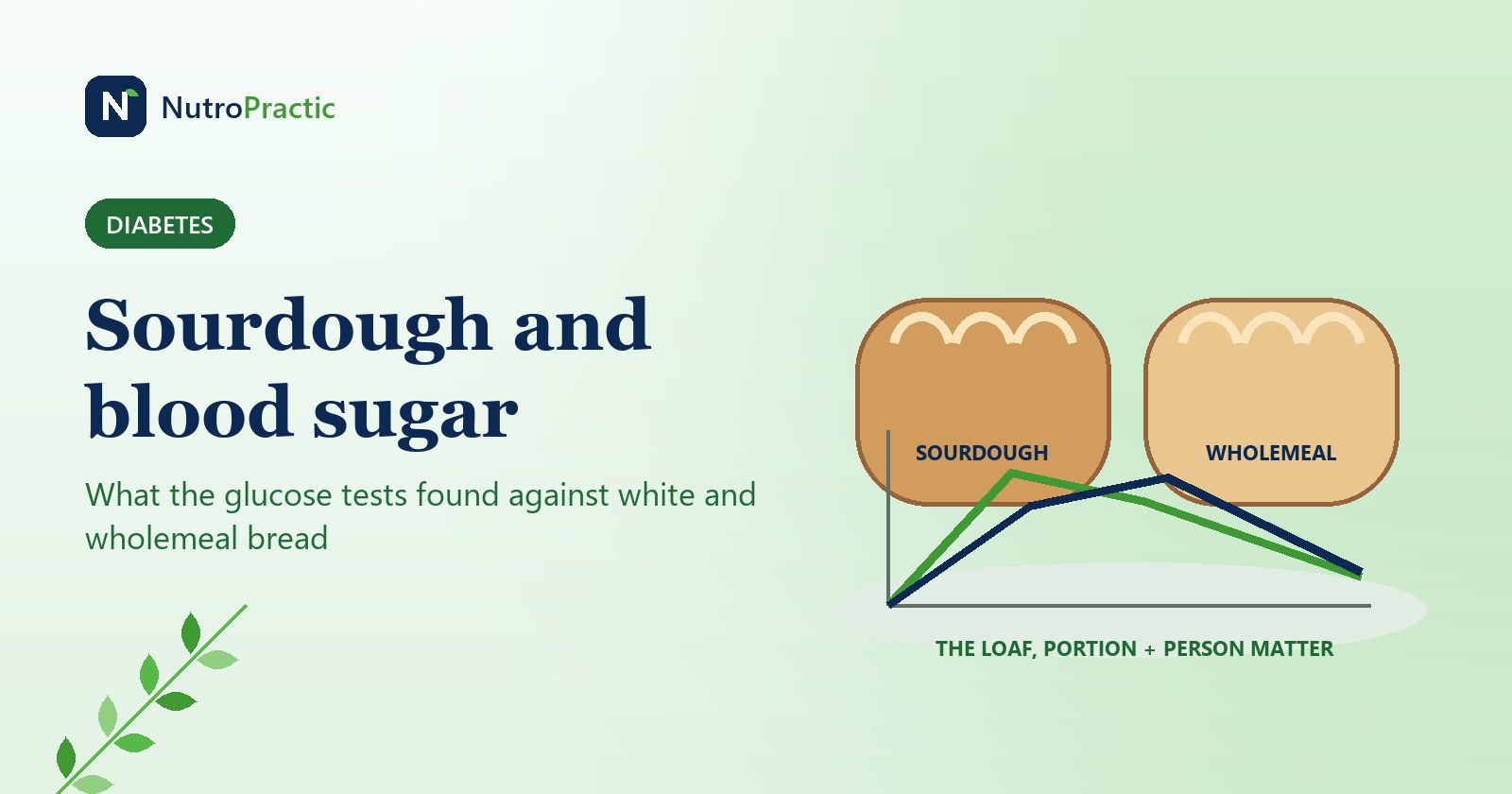
Sourdough and blood sugar: what the glucose tests found against white and wholemeal bread
Sourdough did not beat white bread on average in a 20-person crossover trial, and half responded better to white. A trial-by-trial look at fermentation, flour, portions, GI and how to test your own loaf fairly.
6 Nov 2026
Newsfeed for your website
Want this feed on your website?
Add it to any site with one copy-and-paste snippet. No sign-up, and it updates itself every hour.
Start with a virtual consultation
Tell Dr. Triveni what you want to change. You will leave with a clear next step, whether you are in Toronto, London, New York or Chennai.