Maternal & child nutrition · November 18, 2026
Breastfeeding was linked to fewer depressive symptoms in 12,257 mothers in four countries
A survey analysis from Lesotho, Mozambique, Nepal and Bangladesh found a generally inverse association, strongest in Bangladesh and the pooled data.
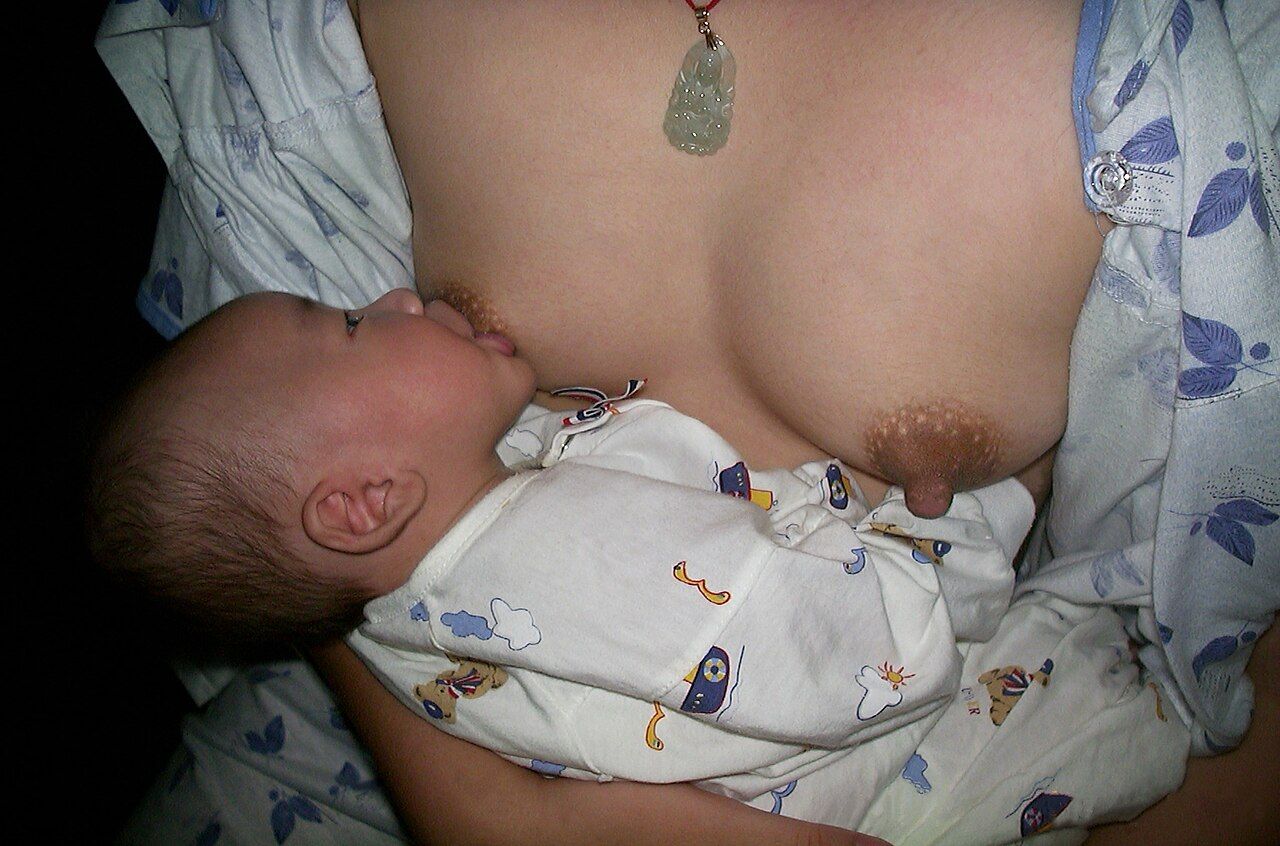
Breastfeeding is mostly discussed for the baby's benefit. A study in Discover Mental Health, led from the University of Sharjah, looked at what it might mean for the mother's mood.
The researchers pooled Demographic and Health Survey data from 12,257 mothers aged 15-49 in Lesotho, Mozambique, Nepal and Bangladesh, using questions adapted from the PHQ depression questionnaire. Pooled, 5.7% of mothers reported depressive symptoms (4.0% in Bangladesh up to 7.6% in Mozambique), and 96.1% were breastfeeding at the time.
After adjusting for age, education and household wealth, the authors report a generally inverse association between breastfeeding and depression. Strength and significance varied by country, and were more consistent in Bangladesh and the pooled analysis.
Because the data are a snapshot, the direction of the link is unclear: mothers with fewer symptoms may find breastfeeding easier. The authors call for longitudinal studies and suggest that breastfeeding counselling could also be a way to reach mothers for mental health support.
Breastfeeding and maternal depression, four countries
12,257
Mothers aged 15-49
5.7%
Pooled share with depressive symptoms
96.1%
Pooled share breastfeeding at survey
4
Countries: Lesotho, Mozambique, Nepal, Bangladesh
Cross-sectional survey data with a PHQ-adapted measure; association only. Four countries limit generalisability, and results varied by country.
- Mozambique had the most mothers in the sample (5,092) and the highest share with symptoms (7.6%).
- Over 90% of mothers in every country were breastfeeding at the time of the survey.
- The survey items were adapted from the Patient Health Questionnaire (PHQ).
- Breastfeeding as a protective factor of maternal depression: a multi-country analysis from Africa and South AsiaDiscover Mental Health (Khalid et al.) · Primary paper, DOI 10.1007/s44192-026-00560-y.
- Image pageWikimedia Commons · Lovely endorsement ♪, CC0. General illustration.
General nutrition information, not medical advice. Talk to your doctor or a registered dietitian before changing your diet, supplements or medication.
Analysis by NutroPractic from the sources listed. Written for general readers; it does not replace advice from your own doctor.
From our articles
Our guides on this subject
Plain-language guides on nutrition and wellness, backed by research.
Women's health
Eating while breastfeeding: extra calories, iodine, caffeine, fish and alcohol, with the actual numbers
Breastfeeding usually adds about 330–400 kcal a day, but the smaller numbers can matter more: 290 mcg iodine, 400 IU vitamin D for baby, 8–12 oz fish a week, and a caffeine total you can actually add up.
6 Nov 2026
Women's health
Nausea in pregnancy: ginger, vitamin B6, small meals and when it's hyperemesis, from the trials
Only 1.8% of women in one diary study had nausea just in the morning. Ginger at 1 g a day, B6 at 30 to 75 mg and doxylamine with B6 each have trial data, while diet advice has none. The score to track it, the doses, and the signs that mean a phone call.
5 Nov 2026
Women's health
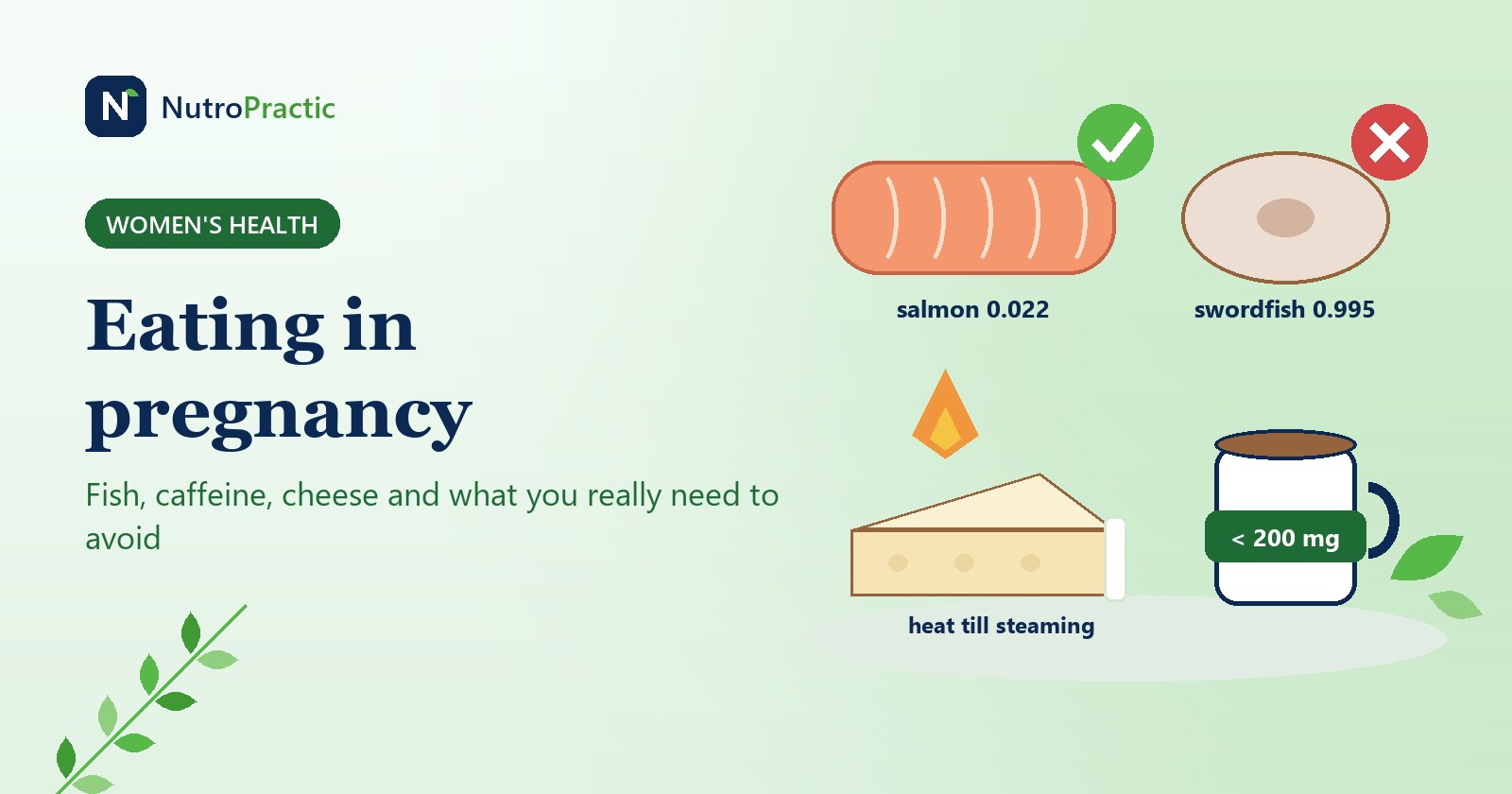
Eating in pregnancy: fish, caffeine, cheese and what you really need to avoid
Most fish is encouraged in pregnancy, not banned: 8-12 oz a week from the low-mercury list. The mercury numbers per fish, what 200 mg of caffeine looks like in real cups, which cheeses carry the listeria risk and how many cases there actually are, why liver is on the list, and how much weight to gain for your BMI.
29 Oct 2026
Newsfeed for your website
Want this feed on your website?
Add it to any site with one copy-and-paste snippet. No sign-up, and it updates itself every hour.
Start with a virtual consultation
Tell Dr. Triveni what you want to change. You will leave with a clear next step, whether you are in Toronto, London, New York or Chennai.