Gut microbiome & postbiotics · November 19, 2026
An eight-week postbiotic course lowered cholesterol and nourished gut microbes in adults with digestive discomfort
In a double-blind randomized pilot study of 60 adults with mild digestive symptoms, heat-treated Bifidobacterium longum CECT 7347 reduced total and non-HDL cholesterol, kept inflammatory calprotectin in check, and expanded beneficial butyrate-producing bacteria.
While live probiotic supplements remain a widely utilized approach for managing gut distress, their therapeutic utility can be constrained by manufacturing instability, short shelf-life, and unpredictable survival through gastric acidity. These practical hurdles have propelled interest in postbiotics: inanimate microorganisms and cellular components that confer measurable physiological and metabolic benefits to the host without requiring live colonization.
In a randomized, parallel-group, double-blind, placebo-controlled clinical pilot trial published in Nutrients, investigators examined the clinical efficacy of a heat-treated postbiotic preparation of Bifidobacterium longum CECT 7347 (HT-ES1). The study enrolled 60 healthy adult volunteers experiencing mild-to-moderate functional gastrointestinal symptoms, allocating them to consume either the daily postbiotic preparation or an identical placebo capsule for eight consecutive weeks, followed by a two-week washout period.
While self-reported abdominal symptom scores showed modest shifts across both study arms in this non-clinical cohort, objective systemic biochemical analyses revealed substantial metabolic advantages in the postbiotic group. Participants receiving HT-ES1 exhibited statistically significant reductions in circulating total cholesterol and non-HDL cholesterol compared to placebo recipients. Furthermore, whereas control participants displayed progressive increases in fecal calprotectin—a biomarker of intestinal mucosal inflammation—levels remained steady and suppressed in the postbiotic cohort.
High-throughput 16S rRNA gene sequencing of fecal samples demonstrated targeted remodeling of the resident intestinal microbiome. Rather than broadly disrupting commensal ecology, the postbiotic selectively expanded populations of key butyrate-synthesizing genera, most notably Faecalibacterium and Anaerobutyricum, which correlated with higher short-chain fatty acid availability. The findings provide clinical evidence that heat-inactivated bacterial preparations can deliver meaningful cardiometabolic and microbial benefits safely.
Clinical and microbial biomarkers after 8 weeks of postbiotic B. longum CECT 7347
60
Adults with mild digestive symptoms completed the randomized pilot trial
8 weeks
Duration of daily heat-treated postbiotic HT-ES1 supplementation
-Cholesterol
Significant reduction in total and non-HDL cholesterol vs placebo
+Butyrate
Selective expansion of Faecalibacterium and Anaerobutyricum taxa
Double-blind, randomized, placebo-controlled pilot study. Heat-treated Bifidobacterium longum improved lipid fractions and preserved mucosal barrier integrity without requiring live organisms.
- Postbiotics consist of non-viable microbial cells, cell wall fragments, and synthesized metabolites that retain biological activity even after heat inactivation.
- Because postbiotics contain non-living bacteria, they exhibit exceptional thermal stability and eliminate the risk of bacterial translocation in sensitive individuals.
- Faecalibacterium prausnitzii is one of the most abundant butyrate producers in the healthy human colon, supporting gut barrier integrity and quelling inflammation.
- Non-HDL cholesterol encompasses all atherogenic lipoprotein particles in circulation, serving as an informative marker of cardiovascular risk.
- Effect of Postbiotic Bifidobacterium longum CECT 7347 on Gastrointestinal Symptoms, Serum Biochemistry, and Intestinal Microbiota in Healthy Adults: A Randomised, Parallel, Double-Blind, Placebo-Controlled Pilot StudyNutrients / MDPI · Randomized, parallel, double-blind, placebo-controlled trial in 60 adults. Published November 2026.
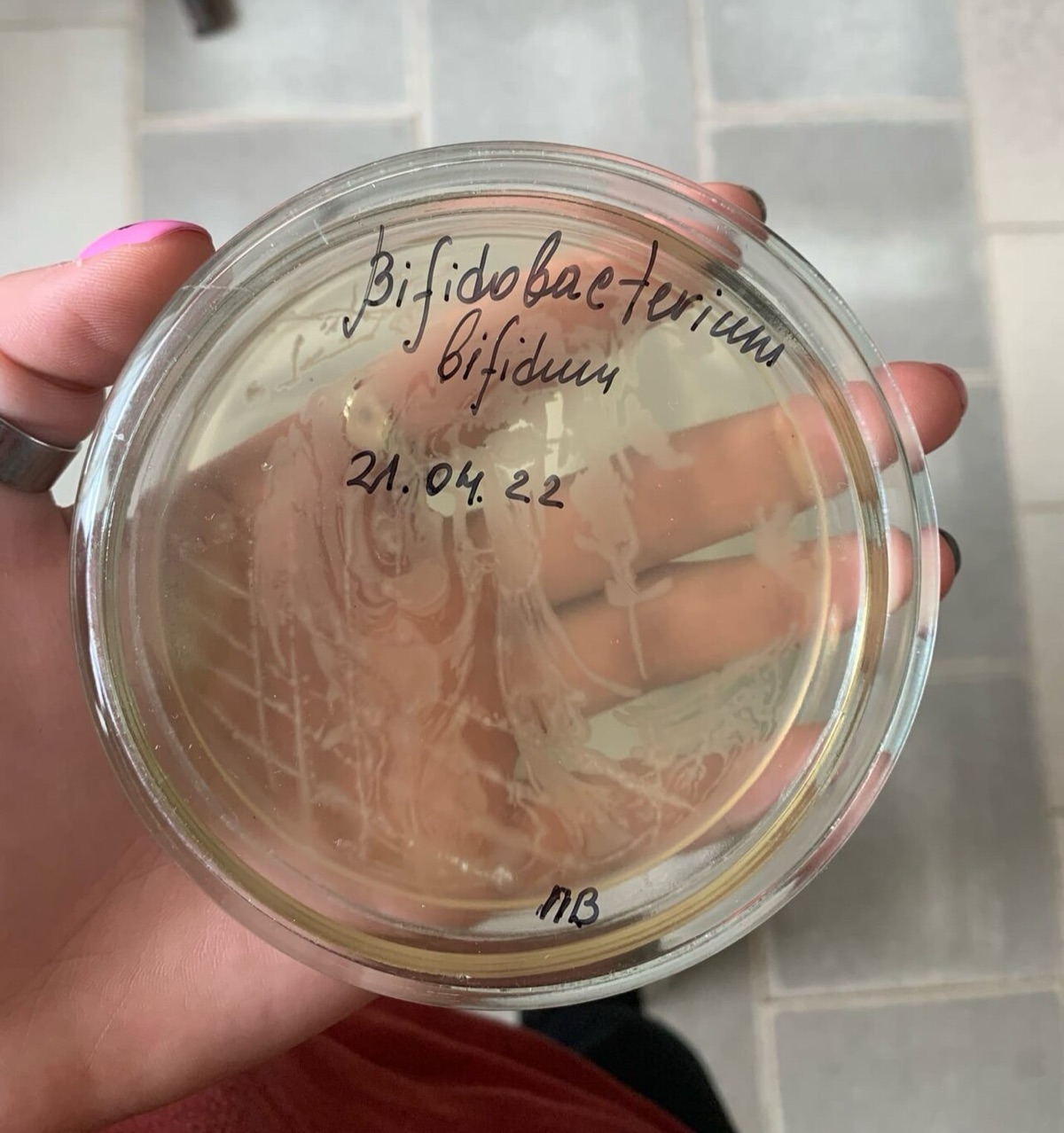
- Bifidobacterium bifidum growth in Petri dishWikimedia Commons · Photo by PHOTOSYNTHESIS18, CC BY 4.0.
Nutritional microbiology and clinical research summary, not medical guidance. Individuals with chronic digestive disorders should consult a gastroenterologist before initiating dietary supplement regimens.
Analysis by NutroPractic from the sources listed. Written for general readers; it does not replace advice from your own doctor.
From our articles
Our guides on this subject
Plain-language guides on nutrition and wellness, backed by research.
Heart health
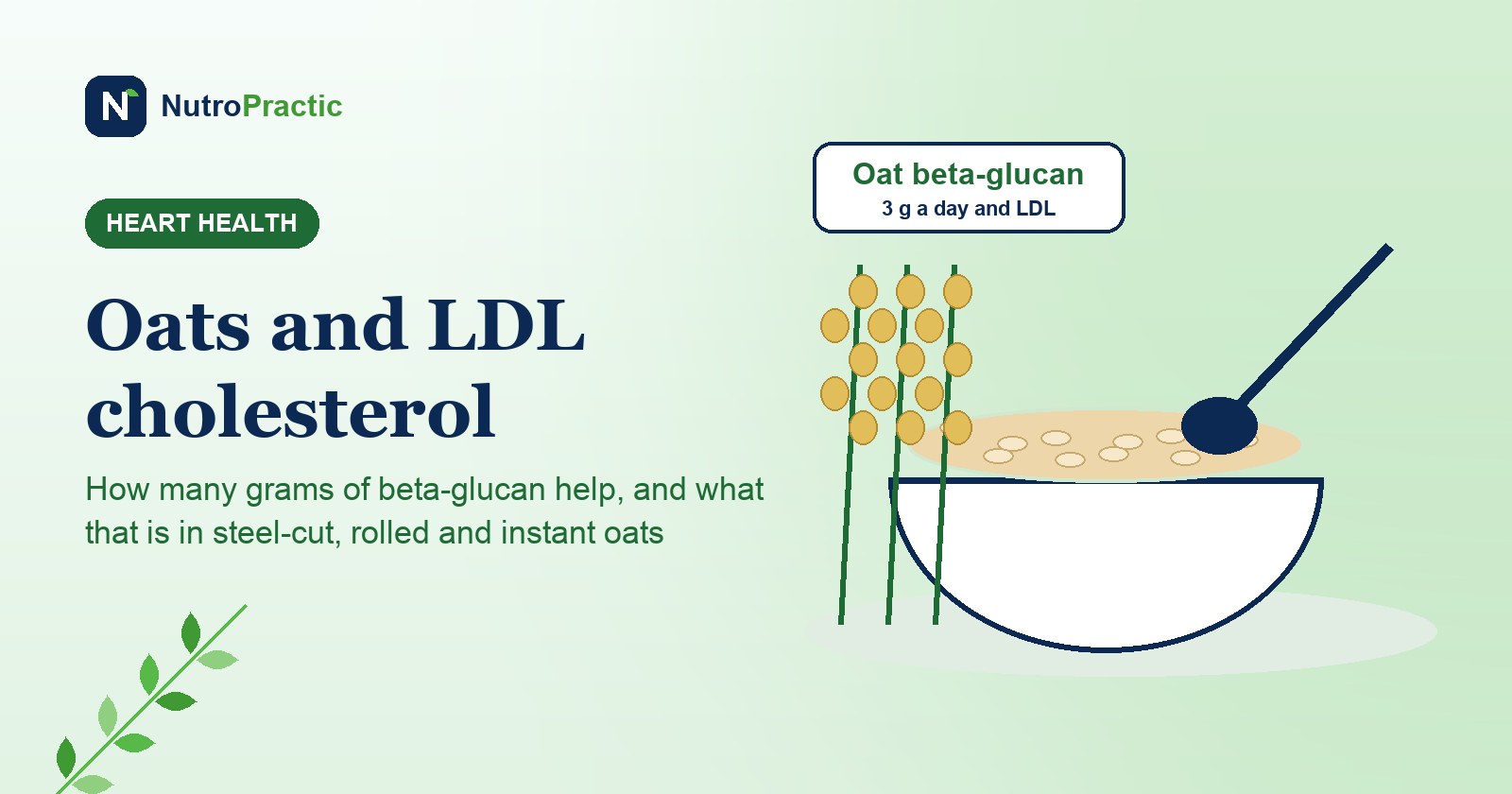
Oats and beta-glucan: how many grams lower LDL, and how much steel-cut, rolled and instant oats it takes
The 3 g a day of beta-glucan behind the FDA and EFSA claims lowers LDL by about 0.25 mmol/L (10 mg/dL). That is roughly 60 to 68 g of dry oats or 50 g of oat bran a day. Grams per portion, glycaemic index by oat type and the gluten caveat.
17 Nov 2026
Medicines and nutrition
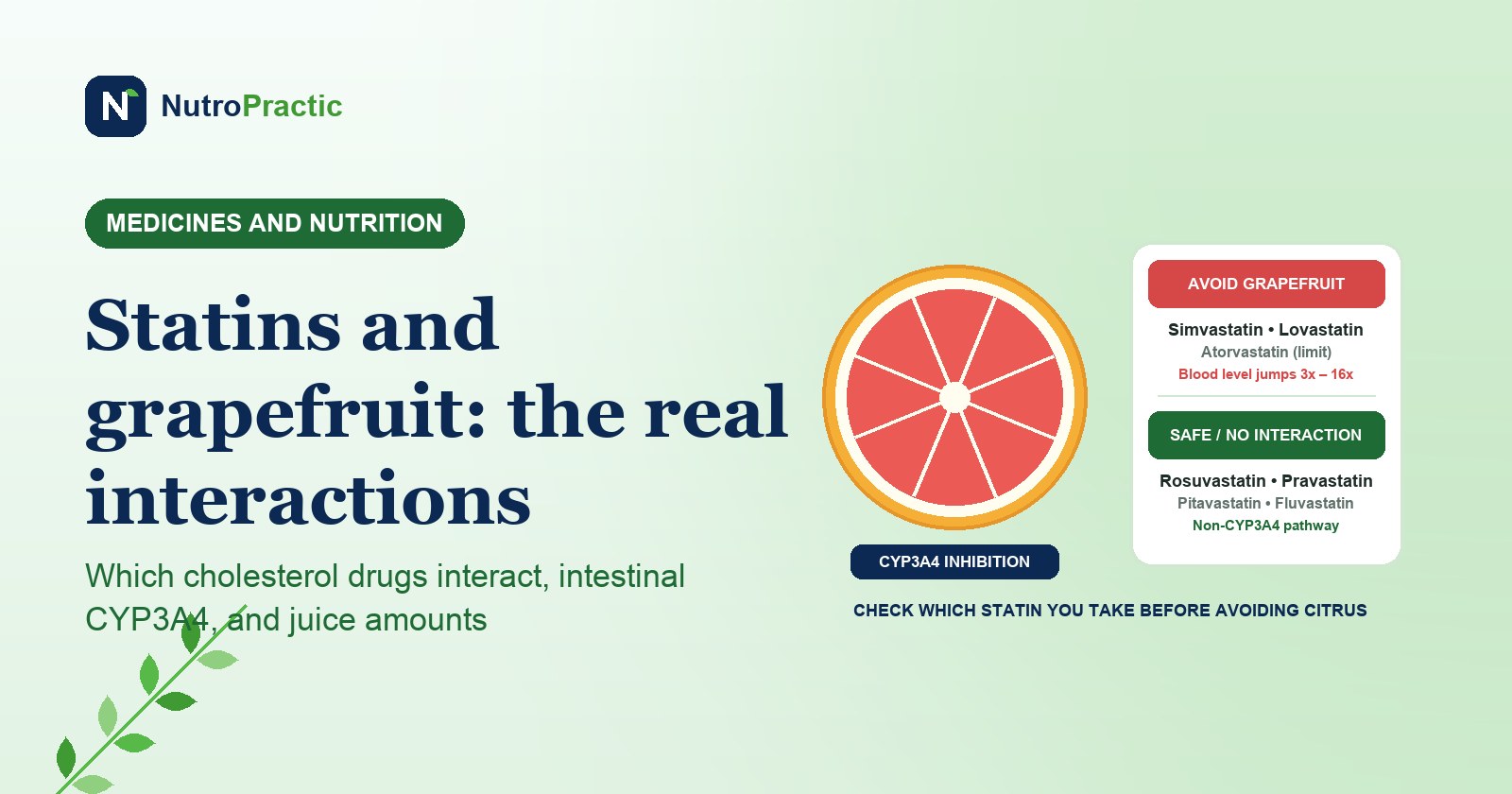
Statins and grapefruit: which cholesterol medicines actually interact, and how much fruit matters
A blanket ban on grapefruit is one of the most common warnings given to statin users, yet several widely prescribed cholesterol drugs do not interact with it at all. Learn the science of intestinal CYP3A4, actual AUC multipliers, portion thresholds, timing myths, and which statins allow you to safely enjoy citrus.
14 Nov 2026

Cardiovascular wellness
Psyllium husk: how much soluble fibre lowers LDL cholesterol and stabilizes post-meal glucose in clinical trials
Viscous soluble fibre forms a thick gel matrix in the small intestine that binds bile acids and blunts post-meal glucose spikes. Across dozens of randomized controlled trials, 7 to 10.2 grams of psyllium daily lowers LDL cholesterol by 6% to 12% without stripping HDL, while reducing postprandial glucose surges by 15% to 25% in metabolic syndrome and type 2 diabetes. Discover the bile acid sequestration mechanism, trial meta-analyses, exact timing before meals, water ratios, and titration protocols to avoid gas and cramping.
13 Nov 2026
Newsfeed for your website
Want this feed on your website?
Add it to any site with one copy-and-paste snippet. No sign-up, and it updates itself every hour.
Start with a virtual consultation
Tell Dr. Triveni what you want to change. You will leave with a clear next step, whether you are in Toronto, London, New York or Chennai.