Dietary fiber & glycemic regulation · November 19, 2026
Glutinous barley fiber curbed post-meal blood sugar surges and enhanced satiety in healthy adults
A randomized, double-blind crossover trial in 67 healthy adults found that soluble beta-glucan from Saechalssalbori barley significantly blunted glucose peaks, attenuated insulin secretion, and curbed appetite by modulating ghrelin and PYY.
Frequent, severe postprandial glycemic excursions are recognized as key triggers for systemic oxidative stress, endothelial dysfunction, and the progressive development of insulin resistance. Cereal grains rich in viscous soluble dietary fibers, particularly beta-glucans, have attracted sustained clinical interest for their ability to form gel matrices in the gastrointestinal tract and moderate the rate of nutrient digestion and carbohydrate absorption.
A randomized, double-blind, placebo-controlled crossover study published in Nutrients investigated the acute physiological effects of dietary fiber derived from Saechalssalbori, a specialized Korean glutinous barley variety (Hordeum vulgare L.) characterized by high beta-glucan concentrations. The trial evaluated 67 healthy adult volunteers whose fasting glucose levels were under 126 mg/dL across separate, randomized testing visits.
Participants consumed test meals containing standardized barley dietary fiber or an energy-matched placebo formulated with refined rice flour. Over an extended 180-minute postprandial monitoring period, investigators tracked continuous blood glucose kinetics, serum insulin, triglycerides, glucagon, and visual analog scale ratings of hunger, fullness, and prospective food consumption, alongside circulating appetite-regulating peptides.
The barley beta-glucan intervention significantly lowered and delayed the postprandial blood glucose spike and suppressed total insulin secretion compared to the placebo condition. Concurrently, participants reported significantly attenuated subjective feelings of hunger and greater satiety, supported biologically by suppressed circulating ghrelin levels and elevated concentrations of peptide YY (PYY). The researchers conclude that incorporating viscous barley fiber into staple meals offers an effective, non-pharmacological strategy for stabilizing glycemic dynamics.
Postprandial glycemic and appetite dynamics following barley beta-glucan intake
67
Healthy adult volunteers completed the crossover trial
180 min
Continuous post-meal metabolic and appetite monitoring window
-Insulin
Significant attenuation in postprandial insulin demand vs placebo
+PYY
Enhanced release of satiety hormone peptide YY over 3 hours
Randomized, double-blind, placebo-controlled crossover trial. Beta-glucan from Saechalssalbori barley effectively blunted acute glycemic surges and improved satiety markers.
- Beta-glucans are non-starch polysaccharides consisting of D-glucose monomers linked by beta-(1,3) and beta-(1,4) glycosidic bonds.
- When dissolved in the digestive tract, soluble beta-glucans form a viscous gel that slows the enzymatic breakdown of starches into free sugars.
- Peptide YY (PYY) is an appetite-suppressing gut hormone released by endocrine L-cells in the ileum and colon following fiber fermentation.
- Barley is among the richest cultivated sources of dietary beta-glucan, often containing higher concentrations than standard rolled oats.
- Effect of Barley on Postprandial Blood Glucose Response and Appetite in Healthy Individuals: A Randomized, Double-Blind, Placebo-Controlled TrialNutrients / MDPI · Randomized, double-blind, placebo-controlled crossover trial in 67 healthy adults. Published November 2026.
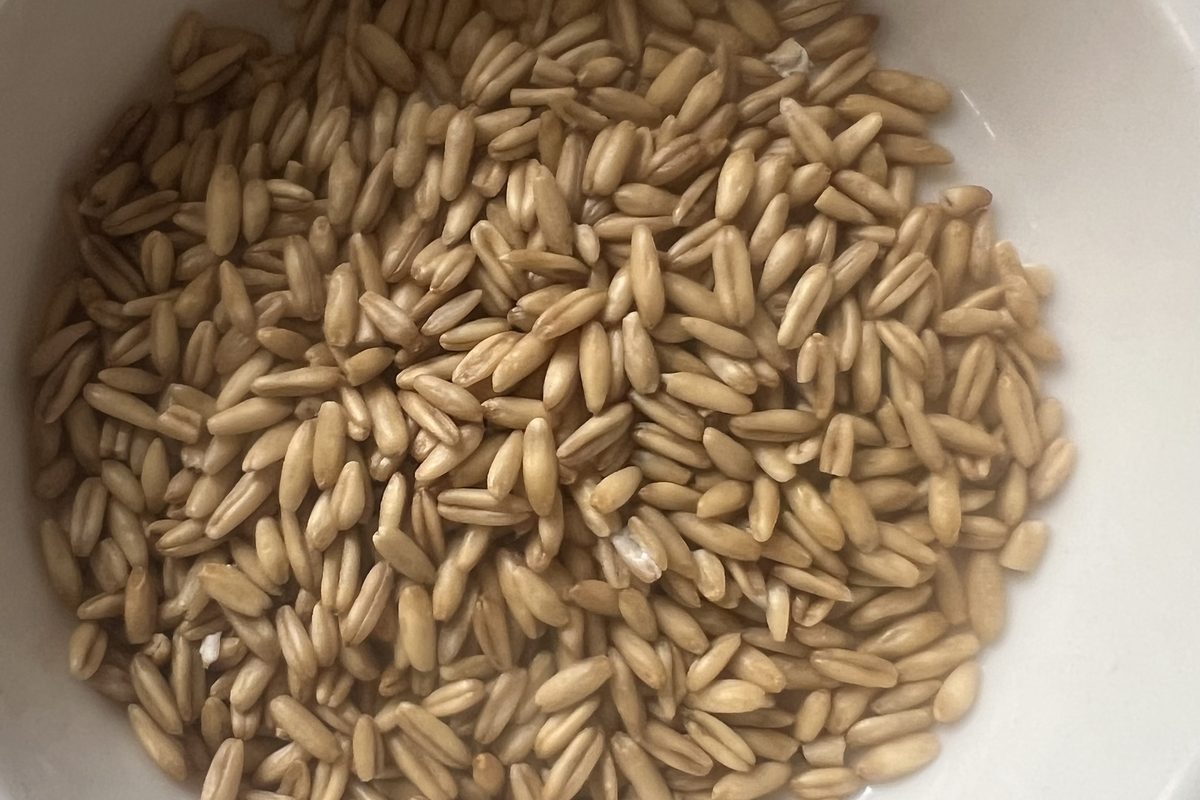
- Uncooked oat groats in white bowlWikimedia Commons · Photo by Acsenray, CC0 public domain dedication.
Nutritional science research summary, not personalized medical advice. Individuals managing glycemic disorders should work with their healthcare provider when modifying carbohydrate sources.
Analysis by NutroPractic from the sources listed. Written for general readers; it does not replace advice from your own doctor.
From our articles
Our guides on this subject
Plain-language guides on nutrition and wellness, backed by research.

Cardiovascular wellness
Psyllium husk: how much soluble fibre lowers LDL cholesterol and stabilizes post-meal glucose in clinical trials
Viscous soluble fibre forms a thick gel matrix in the small intestine that binds bile acids and blunts post-meal glucose spikes. Across dozens of randomized controlled trials, 7 to 10.2 grams of psyllium daily lowers LDL cholesterol by 6% to 12% without stripping HDL, while reducing postprandial glucose surges by 15% to 25% in metabolic syndrome and type 2 diabetes. Discover the bile acid sequestration mechanism, trial meta-analyses, exact timing before meals, water ratios, and titration protocols to avoid gas and cramping.
13 Nov 2026

Everyday eating
The fibre gap: why most adults fall short, and an easy 30-gram day
Most adults in the US, Canada and Europe eat far less fibre than recommended, even though higher intakes are linked to lower rates of heart disease, type 2 diabetes and bowel cancer. How much you need, where it hides, and a sample day that gets you to 30 grams.
3 Oct 2026
Diabetes
Sourdough and blood sugar: what the glucose tests found against white and wholemeal bread
Sourdough did not beat white bread on average in a 20-person crossover trial, and half responded better to white. A trial-by-trial look at fermentation, flour, portions, GI and how to test your own loaf fairly.
6 Nov 2026
Newsfeed for your website
Want this feed on your website?
Add it to any site with one copy-and-paste snippet. No sign-up, and it updates itself every hour.
Start with a virtual consultation
Tell Dr. Triveni what you want to change. You will leave with a clear next step, whether you are in Toronto, London, New York or Chennai.