Gut health & digestive disorders · November 29, 2026
Vitamin B6 showed no overall benefit over placebo for IBS symptoms in a 60-patient, 4-week trial
A 4-week randomized, double-blind trial in 60 patients with irritable bowel syndrome compared vitamin B6 with placebo. Changes in symptom severity and quality-of-life scores did not differ between the groups.
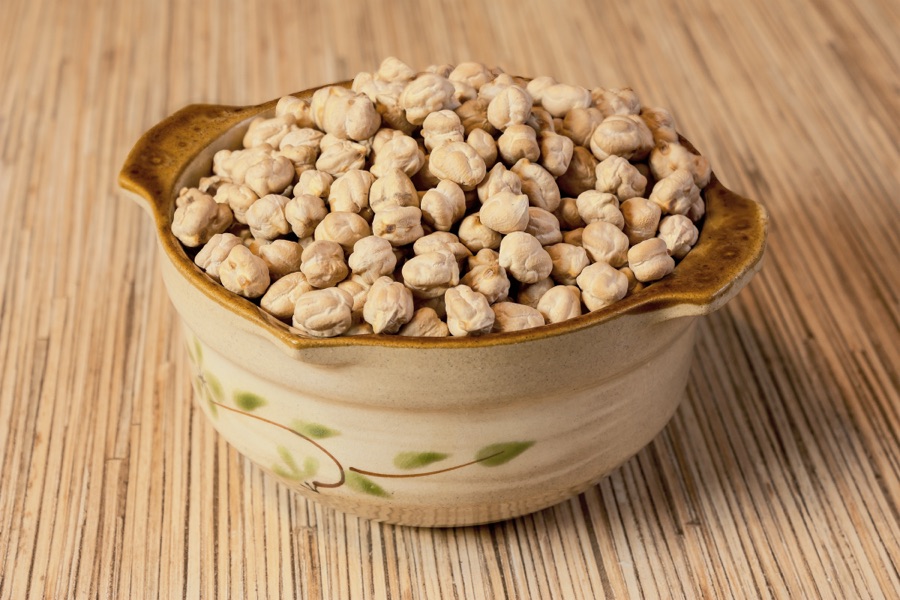
Vitamin B6 has been proposed to influence gut function through its effects on neurotransmitter activity, the gut microbiota and inflammation, which has made it a candidate supplement for irritable bowel syndrome (IBS), a common disorder of abdominal pain, bloating and altered bowel habits.
In JGH Open, researchers reported a randomized, double-blind clinical trial in 60 patients with IBS at a gastroenterology clinic in Mashhad, Iran. Participants were stratified by IBS subtype and randomly assigned to vitamin B6 or a placebo for 4 weeks. The primary outcome was the change in the IBS Symptom Severity Scoring System (IBS-SSS); the secondary outcome was quality of life on the IBS-QoL questionnaire, both measured at baseline and at the end of treatment.
There were no significant differences between the vitamin B6 and placebo groups in the change in IBS-SSS or IBS-QoL scores. In an analysis of covariance, baseline symptom severity was the strongest predictor of the scores after treatment, while neither treatment allocation nor IBS subtype independently influenced the outcome.
Subgroup analysis found within-group improvements in patients with constipation-predominant IBS (IBS-C, p = 0.004) and mixed-type IBS (IBS-M, p = 0.005), but within-group change does not show an effect over placebo. The authors concluded that vitamin B6 did not significantly improve overall IBS outcomes and called for larger randomized trials with longer follow-up. With 60 patients and 4 weeks, this is a small, short trial.
Vitamin B6 vs placebo in irritable bowel syndrome (n = 60)
60
patients with IBS randomised to vitamin B6 or placebo
No difference
between groups in IBS-SSS symptom severity or IBS-QoL change
4 weeks
duration of supplementation
p = 0.004 / 0.005
within-group improvement in IBS-C / IBS-M subgroups (not a comparison with placebo)
Randomized, double-blind, placebo-controlled trial in JGH Open, 26 Nov 2026. 60 patients at a gastroenterology clinic in Mashhad, Iran, stratified by IBS subtype.
- Pyridoxine (vitamin B6) acts as a coenzyme in the synthesis of serotonin and gamma-aminobutyric acid (GABA).
- A strong placebo response is common in irritable bowel syndrome trials, making blinded control arms crucial.
- Effect of Vitamin B6 (Pyridoxine) on Symptoms and Quality of Life in Patients with Irritable Bowel Syndrome: A Randomized Placebo-Controlled TrialJGH Open (John Wiley & Sons), 26 Nov 2026 · Full open-access randomized controlled trial publication.
This article is general information about published research, not medical advice. It does not diagnose, treat or replace care from a qualified health professional. Talk to your doctor before starting a supplement or changing your diet, especially if you are pregnant, have a medical condition or take medicines.
Analysis by NutroPractic from the sources listed. Written for general readers; it does not replace advice from your own doctor.
From our articles
Our guides on this subject
Plain-language guides on nutrition and wellness, backed by research.
Gut health
L-glutamine for gut barrier integrity: what the post-infectious IBS and permeability trials measured, and the dose in grams
At 15 g a day, glutamine took 79.6% of post-infection IBS-D patients to a clinical response against 5.8% on placebo. Trials that measured gut permeability directly in Crohn's, pancreatitis and heat stress found no clear benefit, and a 10-trial meta-analysis found none overall. The doses, the 14 g a day safe level, and who might try it.
27 Nov 2026
Supplements and vitamins
Chlorella and detox claims: what the human studies measured on hair metals, dioxins and vitamin B12, and what they did not
We found no placebo-controlled trial of chlorella removing mercury or lead. One 16-person study saw hair mercury and lead fall 39% on a chlorella-seaweed mix with no control group; breast-milk dioxin was about 30% lower in Japanese mothers; B12 ranges from under 0.1 to 415 micrograms per 100 g between brands.
26 Nov 2026
Women's wellness and nutrition
Probiotics for recurrent UTI: what the Lactobacillus trials found strain by strain, and how they compare with antibiotics
Recurrence was 15% vs 27% with a vaginal L. crispatus probiotic (a gap that could be chance), 31.8% vs 70.4% for vaginal plus oral lactobacilli in a 174-woman trial, and oral GR-1 and RC-14 failed to show noninferiority to antibiotics over 12 months. Strains, doses, worked numbers and the resistance trade-off.
26 Nov 2026
Newsfeed for your website
Want this feed on your website?
Add it to any site with one copy-and-paste snippet. No sign-up, and it updates itself every hour.
Start with a virtual consultation
Tell Dr. Triveni what you want to change. You will leave with a clear next step, whether you are in Toronto, London, New York or Chennai.