Women's health · October 7, 2026
Soy foods may ease hot flushes in menopause. The evidence behind that is still very thin
A review of 15 trials of food-based approaches to menopause found soy the most promising for hot flushes. The certainty of that finding was rated very low, and the authors explain why.
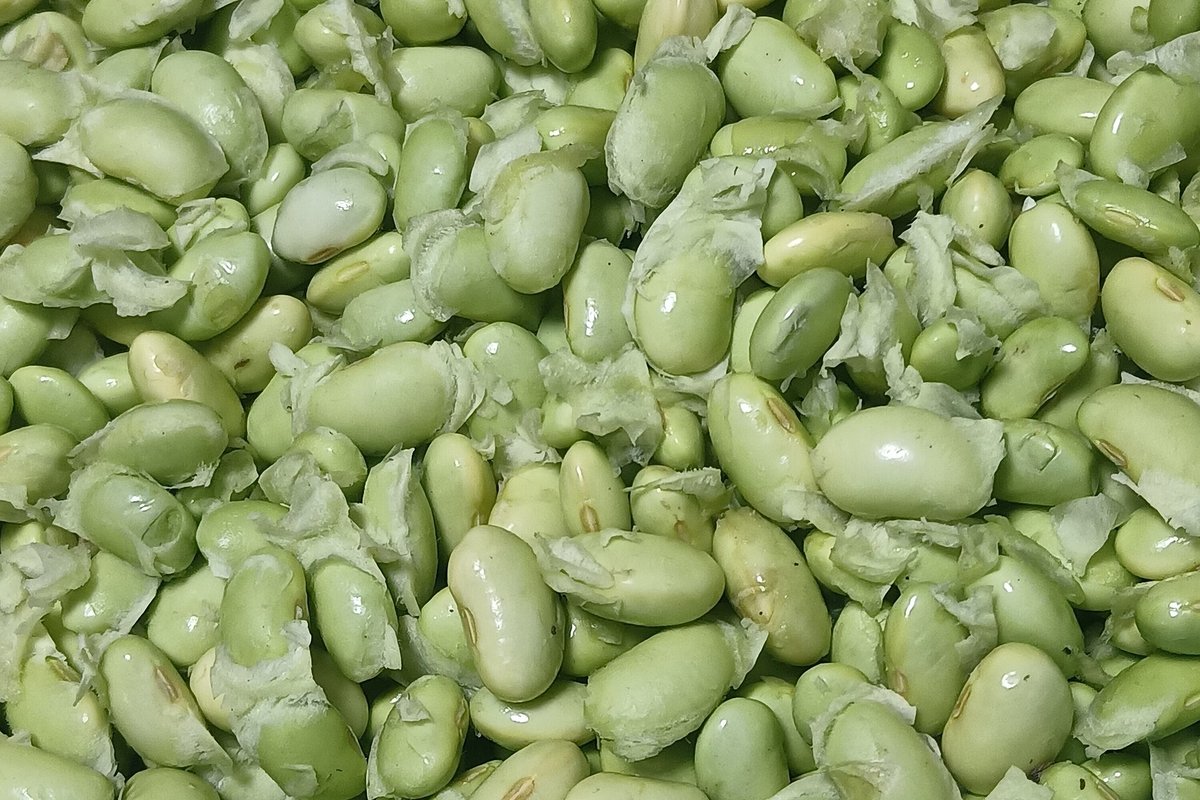
Hot flushes, low mood and brain fog push many women to look for food-based help during menopause. A systematic review published in The American Journal of Clinical Nutrition on 25 September 2026, from Bond University in Australia, gathered 15 randomised trials with 1,952 women aged 40 to 65. It included whole-food changes, structured eating patterns and calorie restriction, and left out trials of supplements alone.
Soy-based diets may reduce how often hot flushes happen and how severe they are (a standardised mean difference of -0.79, from 4 trials and 206 women). Soy did not clearly improve overall vasomotor symptoms (3 trials, 259 women) or psychological symptoms (3 trials, 236 women). Other patterns, such as DASH, lacto-ovo-vegetarian and MIND diets, suggested modest benefits for mood and thinking, but were not pooled. Results for flaxseed were inconsistent, and evidence for intermittent fasting and thinking was limited.
The overall certainty of the evidence was very low, mainly because the trials were small and varied. The authors see diet as a feasible, low-risk approach, with hormone therapy and other medicines remaining first-line treatment. Larger, longer trials with standard methods are needed before soy can be recommended with confidence.
The review at a glance
15
Randomised trials
1,952
Women aged 40 to 65
-0.79
Effect of soy on hot flush frequency and severity (SMD)
206
Women in the soy hot-flush analysis
Very low
Certainty of evidence (GRADE)
Checked on the journal abstract (The American Journal of Clinical Nutrition, published online 25 September 2026, via its PubMed record). A standardised mean difference (SMD) of -0.79 is a moderate to large effect, but it rests on 4 small trials. PROSPERO registration CRD42024610754.
- Soy contains isoflavones, plant compounds with a weak oestrogen-like action, which is the usual explanation for any effect on hot flushes.
- Women in Japan, who traditionally eat more soy, have long reported fewer hot flushes than women in Western countries, which first drew researchers to soy.
- Soy foods include tofu, tempeh, edamame, soy milk and soya chunks; whole soy foods also bring protein and fibre.
- Dietary Interventions for Menopausal Symptoms: A Systematic ReviewThe American Journal of Clinical Nutrition, 25 September 2026 · Journal article
- PubMed record 42790873US National Library of Medicine · Abstract with all figures used here
General information, not medical advice. Talk to your doctor about menopause symptoms and treatment options; if you have had a hormone-sensitive cancer, ask before eating large amounts of soy or taking soy supplements.
Analysis by NutroPractic from the sources listed. Written for general readers; it does not replace advice from your own doctor.
Newsfeed for your website
Want this feed on your website?
Add it to any site with one copy-and-paste snippet. No sign-up, and it updates itself every hour.
Start with a virtual consultation
Tell Dr. Triveni what you want to change. You will leave with a clear next step, whether you are in Toronto, London, New York or Chennai.