Appetite science · November 7, 2026
Sichuan-pepper aroma raised food intake 15–19% in men during a laboratory meal. Frequent consumers responded more — a sign that learned expectation may matter
The project included appetite ratings, a 78-person eating experiment and mice. The effect shifted choices toward salty food and is not evidence for treating poor appetite at home.
Can smell change how much someone eats? Researchers compared aromas from three Sichuan-pepper essential oils, first collecting appetite ratings from 348 people and then measuring freely chosen food intake in 78 participants. They also exposed mice to the aromas and examined feeding-related gene expression in the hypothalamus.
The aromas increased self-reported general appetite and changed appetite for particular tastes. In the eating experiment, total intake among men rose by 15–19%, with more selection of salty foods. The response was stronger in people who consumed Sichuan pepper frequently, which supports a learned association between a familiar smell and expected food rather than a purely automatic chemical effect.
The mouse work found acute feeding changes alongside altered messenger-RNA levels for several appetite-related neuropeptides. That does not prove the same brain pathway caused the human behaviour, and gene expression is not a clinical outcome. A short controlled meal also cannot tell us whether the effect persists, improves nutrition in people with illness, or simply changes one eating occasion.
A sensory cue changed one short-term eating test
3
Sichuan-pepper essential-oil aroma types tested
348
People in the self-reported appetite assessment
78
Participants in the freely chosen food-intake experiment
+15–19%
Increase in total food intake reported among male participants
5
Volatile compounds identified as appetite-enhancing candidates
Short-term human sensory and feeding experiments plus a separate mouse mechanism study. The abstract reports the intake increase specifically in men; durability, clinical benefit and safety in people with poor appetite were not established.
- Smell contributes strongly to flavour because aromas travel from the mouth to the nose while chewing.
- Sensory-specific appetite means wanting one taste or food category even when general hunger is unchanged.
- Familiar food smells can trigger expectations learned from previous meals.
- Essential oils are concentrated mixtures; smelling one in a study is not the same as swallowing it.
- From aroma cue to feeding behavior: Sichuan pepper essential oil aroma stimulates appetite via cognitive and physiological pathwaysnpj Science of Food, 26 October 2026 · Primary open-access study; human sample sizes, intake change, familiarity finding and mouse component checked against the article.
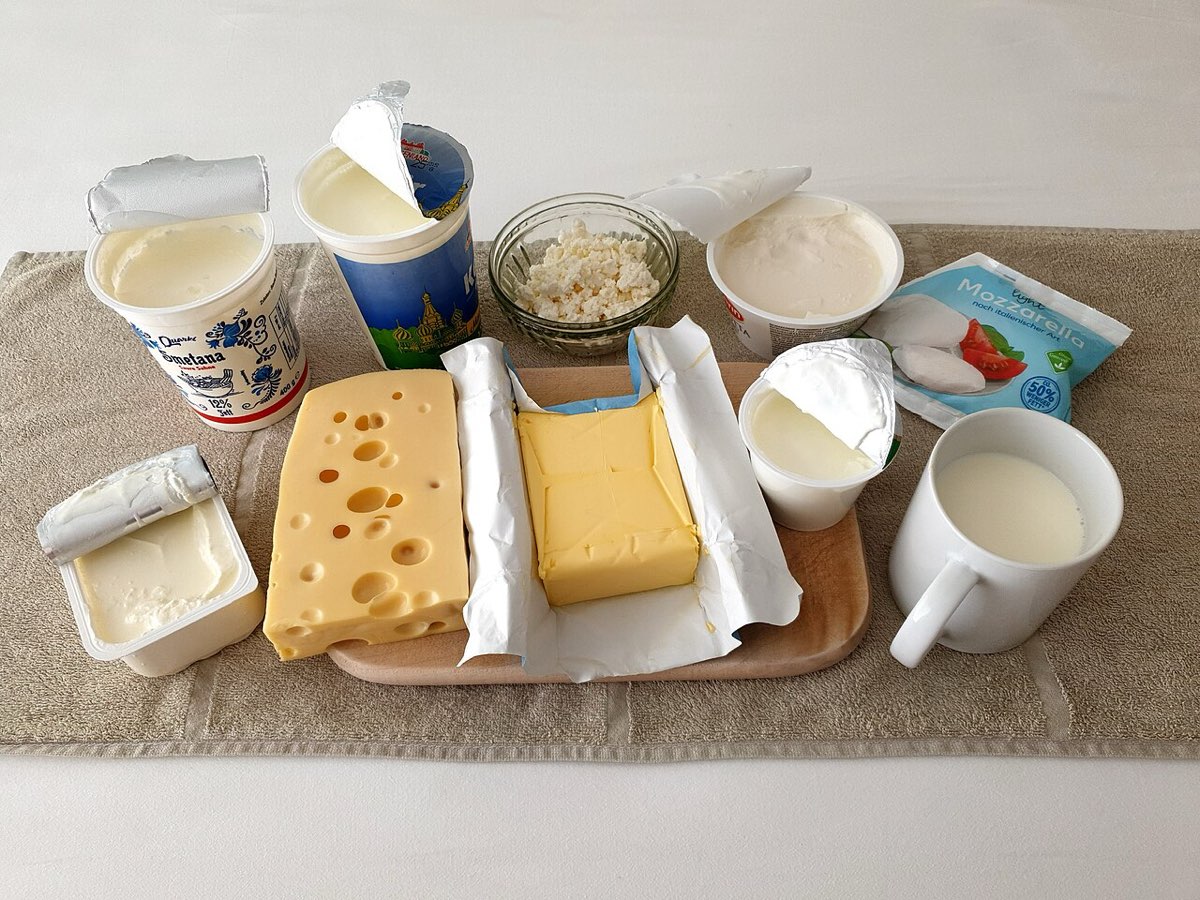
- Dairy productsWikimedia Commons · Photograph by Alexschneider250, CC0; general food-aroma illustration only.
General information, not medical advice. Do not ingest essential oils or use aroma exposure to treat unexplained appetite or weight loss. Persistent poor appetite needs assessment by a qualified clinician.
Analysis by NutroPractic from the sources listed. Written for general readers; it does not replace advice from your own doctor.
From our articles
Read, then eat a little better
Plain-language guides on nutrition and wellness, backed by research.
Everyday eating
Protein bars and shakes: what you get per 100 calories
Four current labels range from 6.3 to 20 g protein per 100 kcal. Here is how bars, shakes, eggs, yogurt and lentils compare—and when a supplement actually helps.
6 Nov 2026
Everyday eating
Instant noodles: the sodium in the whole packet, and what actually reduces it
Three official labels range from 750 to 1,520 mg sodium per packet. Here is the whole-pack arithmetic, what the broth study measured, and how to turn noodles into a more complete meal.
6 Nov 2026
Diabetes
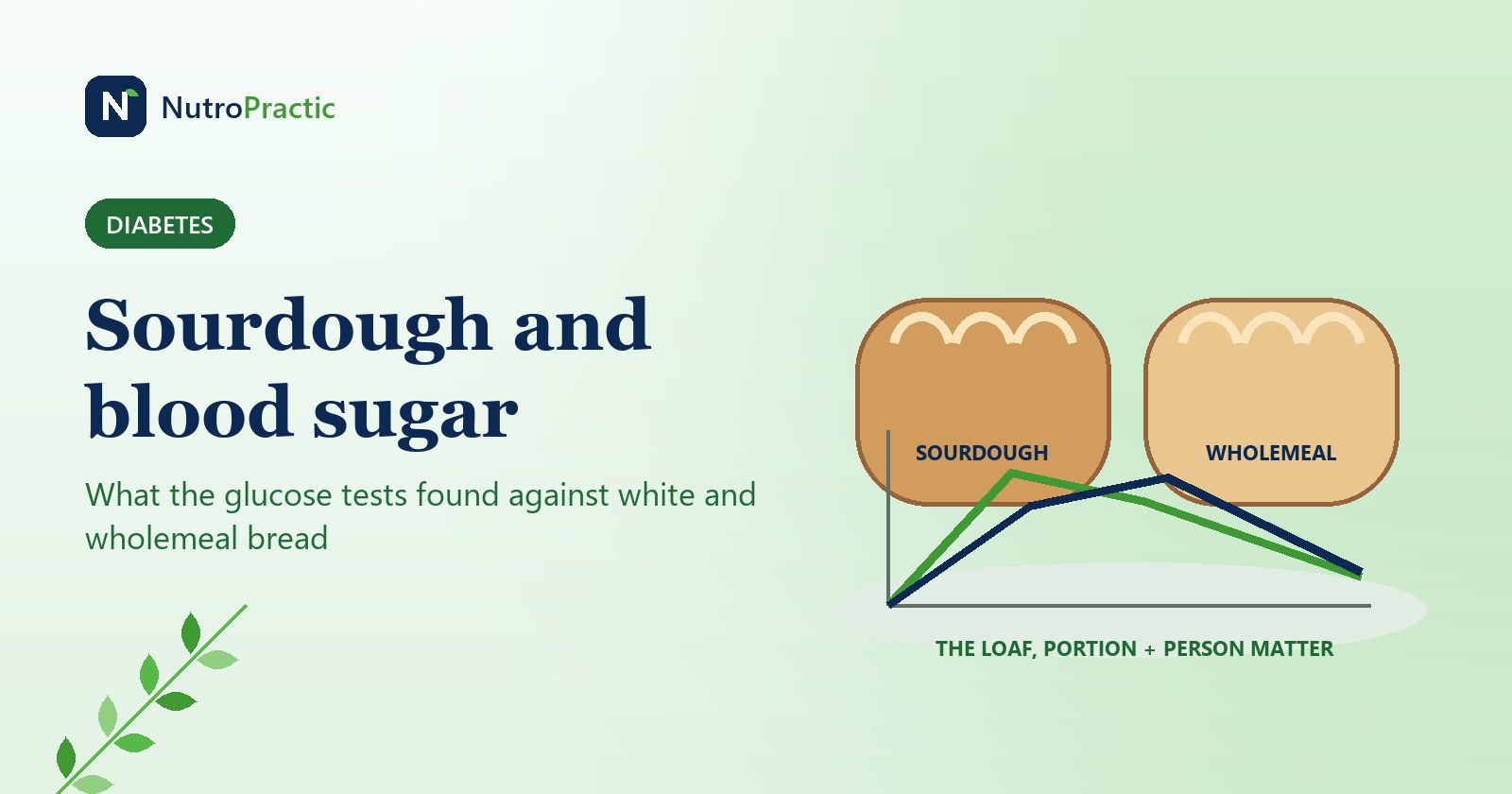
Sourdough and blood sugar: what the glucose tests found against white and wholemeal bread
Sourdough did not beat white bread on average in a 20-person crossover trial, and half responded better to white. A trial-by-trial look at fermentation, flour, portions, GI and how to test your own loaf fairly.
6 Nov 2026
Newsfeed for your website
Want this feed on your website?
Add it to any site with one copy-and-paste snippet. No sign-up, and it updates itself every hour.
Start with a virtual consultation
Tell Dr. Triveni what you want to change. You will leave with a clear next step, whether you are in Toronto, London, New York or Chennai.