Micronutrients & liver disease · November 29, 2026
Serum zinc levels are 26 µg/dL lower in chronic liver disease and track disease severity in 41-study meta-analysis
A systematic review and meta-analysis of 41 studies published in Nutrition Journal found that patients with chronic liver disease had significantly lower circulating zinc levels than healthy controls (-26.40 µg/dL), with zinc depletion tracking Child-Pugh and FIB-4 severity scores.
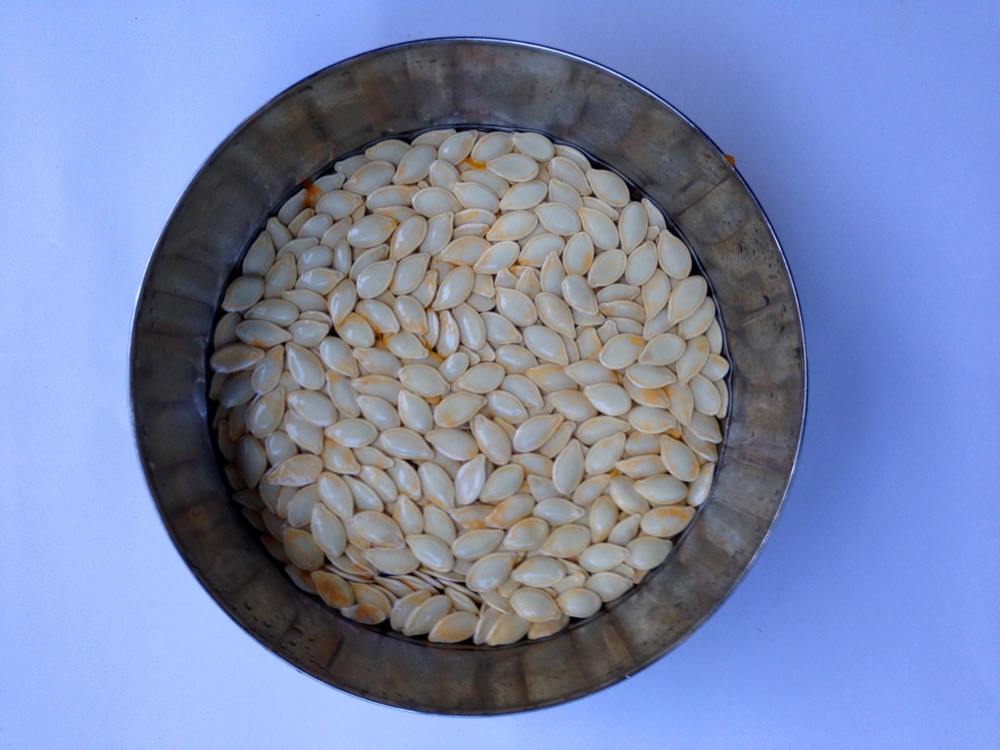
Zinc is an essential trace element and structural or catalytic cofactor for more than 300 human enzymes, playing central roles in protein synthesis, immune defense, and hepatic detoxification. The liver serves as the principal organ for zinc storage and metabolism, making zinc homeostasis vulnerable to progressive hepatic injury.
In Nutrition Journal, researchers conducted a comprehensive systematic review and random-effects meta-analysis of 41 studies (spanning observational cohorts and clinical trials through September 2025) comparing serum zinc concentrations between chronic liver disease (CLD) patients and healthy controls, while correlating zinc status with validated clinical severity indices.
Patients with chronic liver disease exhibited markedly lower serum zinc concentrations than healthy controls, with a weighted mean difference of -26.40 µg/dL (p < 0.001). Subgroup stratification revealed pronounced zinc deficits across disease etiologies: viral hepatitis (-24.11 µg/dL), alcohol-related liver disease (-7.03 µg/dL), and other liver disorders (-34.14 µg/dL, all p < 0.001).
Correlational analyses found that lower serum zinc was associated with worse clinical liver measures: zinc was negatively correlated with the Child-Pugh score (R = -0.58), Fibrosis-4 index (R = -0.36), alkaline phosphatase (R = -0.31), and AST (R = -0.24). Zinc was positively correlated with serum albumin (R = 0.60) and the branched-chain amino acid to tyrosine ratio (R = 0.37; all p < 0.001). Because the evidence was predominantly cross-sectional, the authors caution that it cannot establish direction, cause or prognostic performance.
Serum zinc in chronic liver disease meta-analysis (41 studies)
-26.40 µg/dL
weighted mean difference in serum zinc in CLD patients vs healthy controls (p < 0.001)
R = -0.58
correlation between circulating zinc levels and Child-Pugh disease severity score
R = 0.60
positive correlation between serum zinc and circulating albumin levels
41 studies
observational studies and clinical trials synthesized in the meta-analysis
Systematic review and meta-analysis in Nutrition Journal, November 2026. Random-effects models and Fisher z correlation pooling.
- Over 80% of circulating zinc is bound to serum albumin; hypoalbuminemia in liver failure directly impairs zinc transport.
- Zinc deficiency in cirrhosis reduces the activity of ornithine transcarbamylase, an essential enzyme in the hepatic urea cycle that clears neurotoxic ammonia.
- Serum zinc concentrations and markers of disease severity in chronic liver disease: a systematic review and meta-analysisNutrition Journal (BioMed Central), 21 Nov 2026 · Primary systematic review and meta-analysis.
This article is general information about published research, not medical advice. It does not diagnose, treat or replace care from a qualified health professional. Talk to your doctor before starting a supplement or changing your diet, especially if you are pregnant, have a medical condition or take medicines.
Analysis by NutroPractic from the sources listed. Written for general readers; it does not replace advice from your own doctor.
From our articles
Our guides on this subject
Plain-language guides on nutrition and wellness, backed by research.
Children's nutrition
Feeding a teenage athlete: energy, iron, calcium and the sports drink question
Teenage athletes are growing and training at the same time, and under-eating (REDs) is found in up to 80% of female and 70% of male athletes in studies. A worked energy example for a 15-year-old footballer, protein and carbohydrate targets, iron and calcium in the growth spurt, when sports drinks help and when they are dessert, and the supplements to skip.
20 Oct 2026
Supplements and vitamins
Quercetin and vascular function: the 500 mg blood pressure trials, zinc ionophore claims, and food milligrams in red onions and capers
Meta-analyses put quercetin's effect on systolic blood pressure at about 3 mmHg, and about 4.5 mmHg in trials of 500 mg daily or more. Trials of artery function have mostly been negative. Why the zinc ionophore claim rests on cell dishes, plus caper and onion milligrams and safety.
25 Nov 2026

Supplements and vitamins
Zinc carnosine for the gut lining: what the two human trials gave, the zinc in each dose, and the copper catch
Zinc carnosine is only about 22.6% zinc, so 75 mg twice a day is roughly 34 mg of zinc a day. Here are the doses and results of the 10-person NSAID permeability trial and the 20-person aspirin pilot, and the copper cautions.
22 Nov 2026
Newsfeed for your website
Want this feed on your website?
Add it to any site with one copy-and-paste snippet. No sign-up, and it updates itself every hour.
Start with a virtual consultation
Tell Dr. Triveni what you want to change. You will leave with a clear next step, whether you are in Toronto, London, New York or Chennai.