Micronutrients & clinical nephrology · November 22, 2026
Serum zinc levels protect against respiratory infection hospitalizations in hemodialysis patients with low albumin in prospective multicenter study
A 5-year prospective cohort study of 1,652 maintenance hemodialysis patients in the Osaka Dialysis Complication Study discovered that while serum zinc did not predict general infection across the entire cohort, higher zinc concentrations conferred significant protection against respiratory tract infection hospitalizations specifically in patients with hypoalbuminemia.
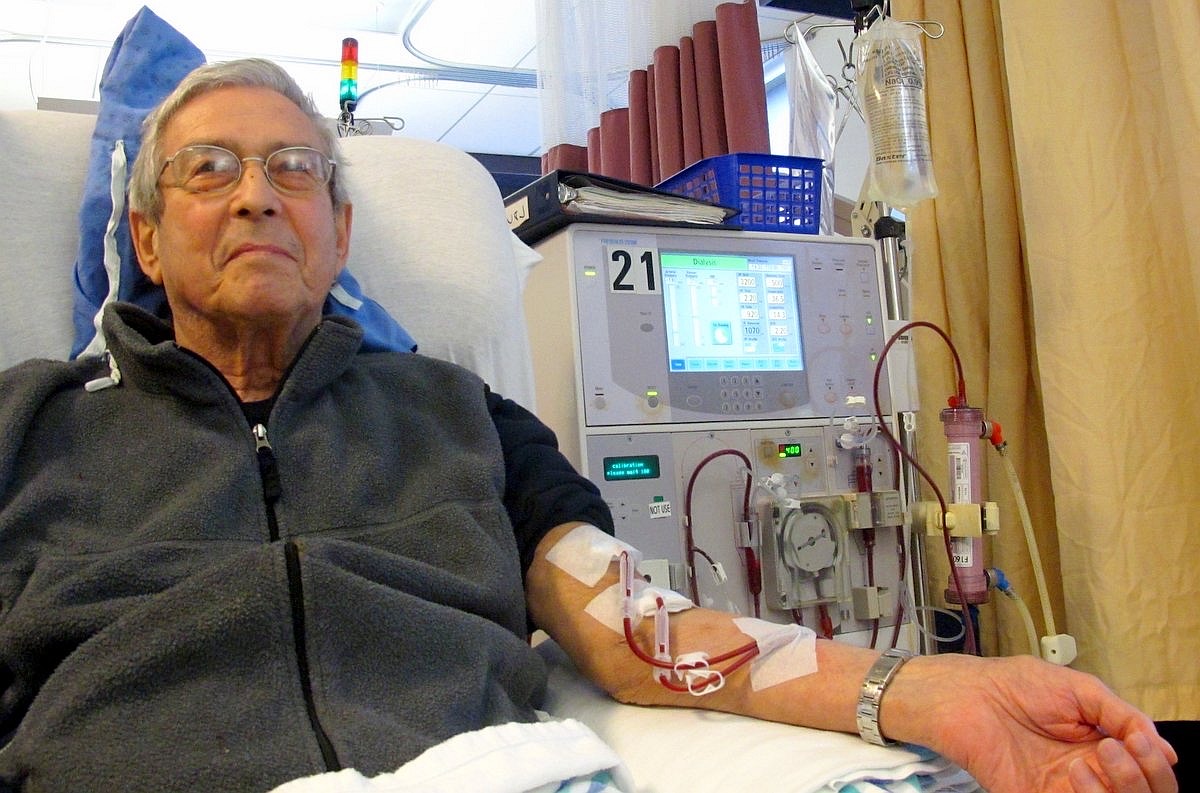
Patients with end-stage kidney disease undergoing maintenance hemodialysis face an exceptionally high burden of infectious complications, second only to cardiovascular disease as the leading cause of mortality. Zinc is an essential trace element required for thymic hormone activity, T-lymphocyte maturation, and mucosal barrier defenses. Because chronic dietary protein restrictions, dialysate losses, and diminished intestinal absorption frequently induce subclinical zinc deficiency in renal failure, understanding whether circulating zinc modulates real-world infection risk is of urgent clinical importance.
To investigate this relationship, nephrology investigators analyzed data from the Osaka Dialysis Complication Study (ODCS), a large multicenter prospective cohort study tracking 1,652 maintenance hemodialysis patients across Japan over a median follow-up of 5 years. Baseline fasting serum zinc was measured alongside comprehensive nutritional, hematological, and inflammatory parameters, and all subsequent hospitalizations for verified infectious diseases were prospectively categorized into respiratory and non-respiratory etiologies.
Across the total cohort, multivariable Fine-Gray subdistribution hazard models demonstrated that serum zinc levels were not independently associated with composite infection hospitalizations or non-respiratory infections after adjusting for age, sex, dialysis vintage, diabetes, and cardiovascular comorbidities. However, pre-planned interaction analyses revealed a statistically significant effect modification by baseline serum albumin status (p for interaction < 0.05).
Among patients exhibiting hypoalbuminemia (serum albumin < 3.5 g/dL)—a well-established marker of protein-energy wasting and systemic inflammation—higher serum zinc was strongly and linearly protective against hospitalization for respiratory tract infections. For every 5 μg/dL increase in serum zinc, the adjusted risk of respiratory infection hospitalization declined substantially. The investigators concluded that routine zinc monitoring and targeted repletion may offer profound clinical defense against pulmonary infections in nutritionally compromised hemodialysis patients.
Five-year prospective outcomes from the Osaka Dialysis Complication Study (ODCS)
1,652
Maintenance hemodialysis patients prospectively followed over 5 years
Significant
Protection against respiratory infection hospitalizations in hypoalbuminemia
< 3.5 g/dL
Serum albumin cutoff defining the nutritionally vulnerable responsive subgroup
p < 0.05
Interaction test between circulating zinc and serum albumin for pulmonary risk
Multicenter prospective cohort study published in Nutrients (November 2026).
- Over 50% to 75% of maintenance hemodialysis patients suffer from subclinical or clinical zinc deficiency due to dietary limits, reduced absorption, and dialysis clearance.
- Zinc is an indispensable cofactor for superoxide dismutase (SOD) and alkaline phosphatase, enzymes critical for neutralizing vascular and pulmonary oxidative damage.
- In human plasma, approximately 80% of circulating zinc is bound to serum albumin, explaining why hypoalbuminemia drastically disrupts zinc pharmacokinetics and immune availability.
- Severe respiratory infections, notably pneumonia, account for more than 15% of all hospitalizations in chronic dialysis populations globally.
- Association of Serum Zinc with Infection Risk in Patients Undergoing Maintenance Hemodialysis: The Osaka Dialysis Complication Study (ODCS)Nutrients / MDPI · Multicenter prospective cohort study of 1,652 dialysis patients. Published 16 November 2026.
- Patient receiving dialysisWikimedia Commons · Photo by Anna Frodesiak, CC0 public domain dedication.
Educational summary of trace mineral and renal nutrition research. Dialysis patients should not start zinc supplements without specific prescription and laboratory monitoring by their nephrologist.
Analysis by NutroPractic from the sources listed. Written for general readers; it does not replace advice from your own doctor.
From our articles
Our guides on this subject
Plain-language guides on nutrition and wellness, backed by research.
Supplements and vitamins
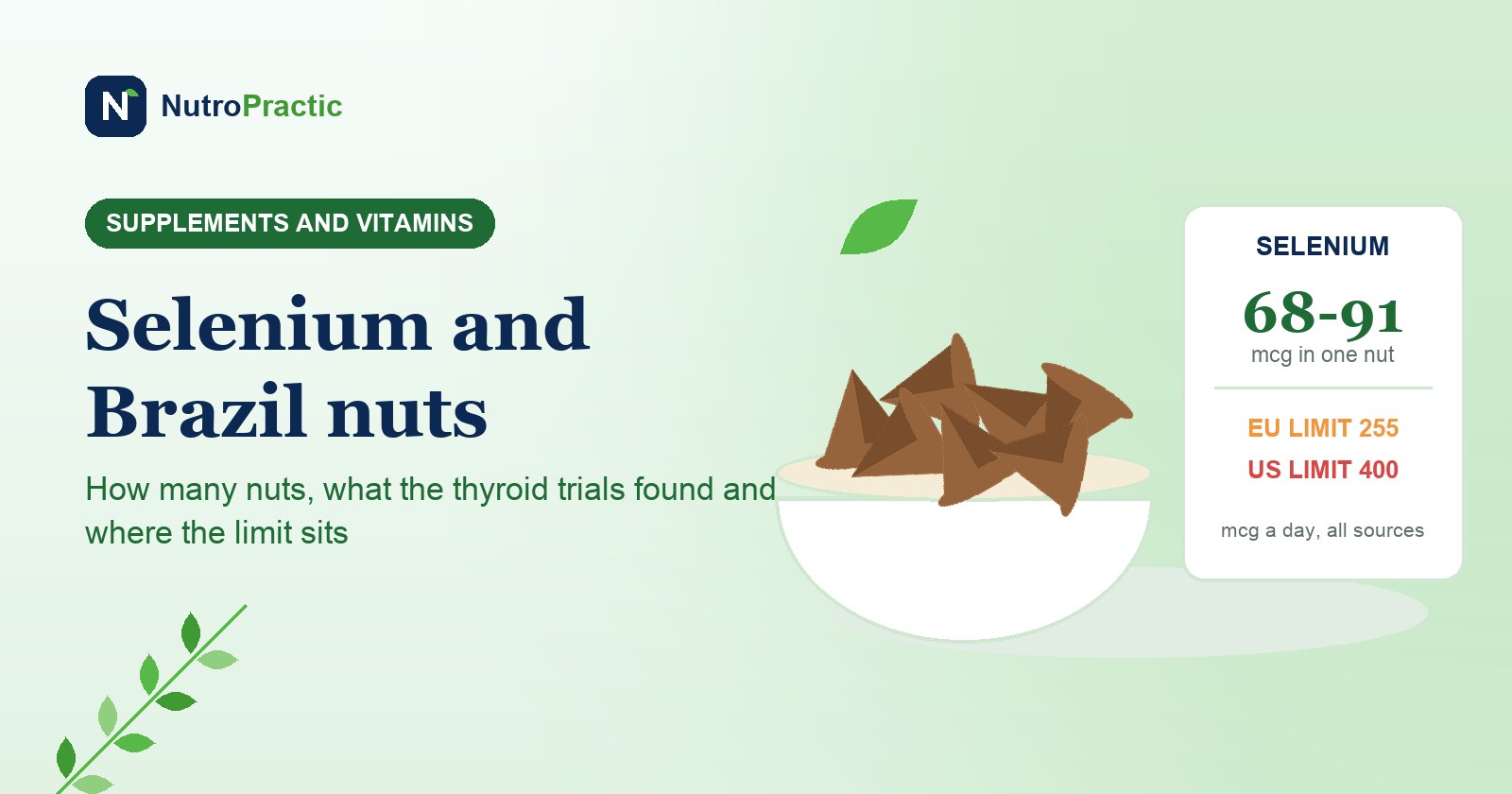
Selenium: how many Brazil nuts, what the thyroid trials found, and where the upper limit sits
One Brazil nut holds 68 to 91 mcg of selenium on average, against a 255 mcg European ceiling. A table of nuts per day, what the Hashimoto trials measured, and why more is not better.
14 Nov 2026
Supplements and vitamins
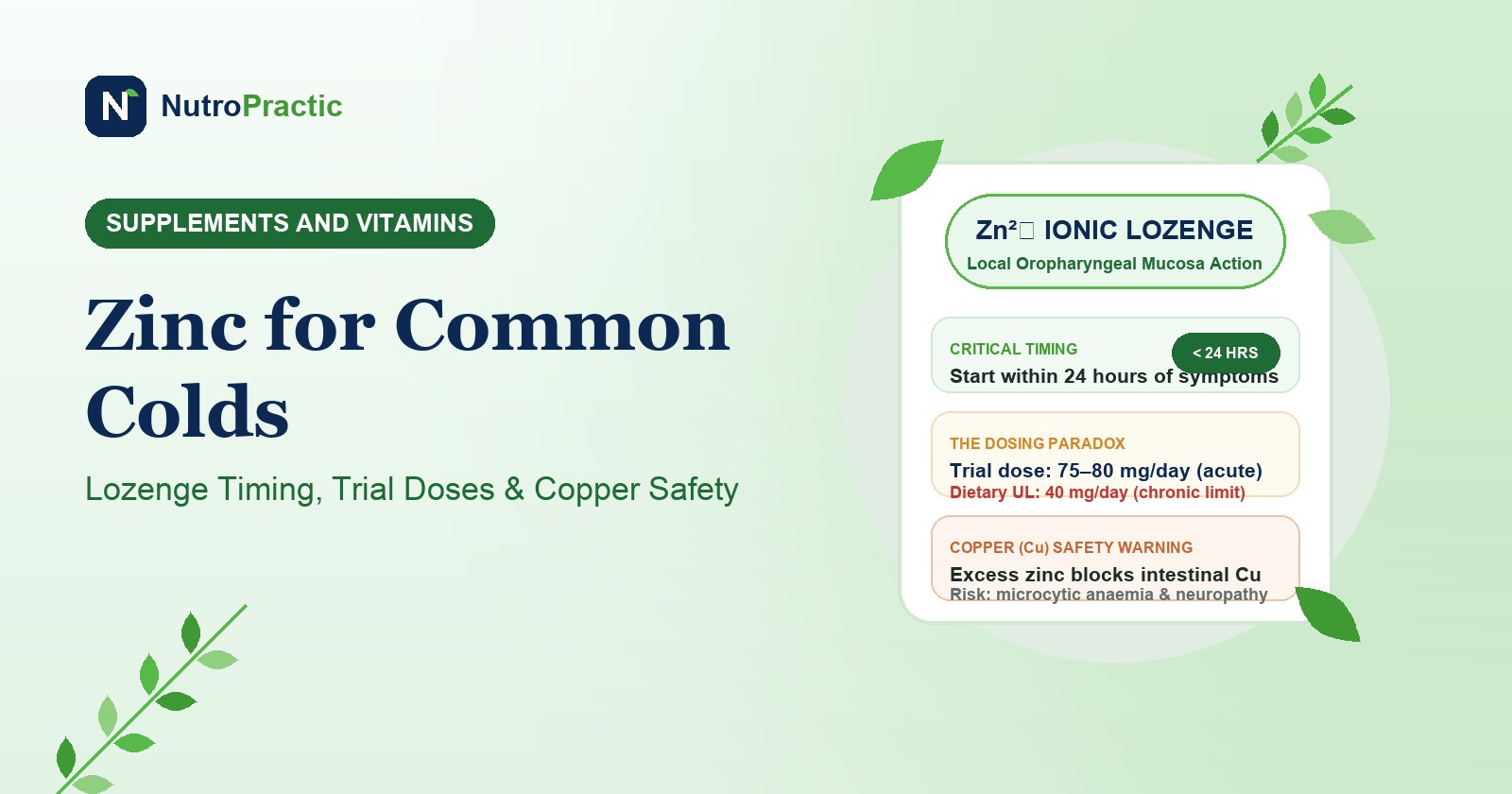
Zinc for common colds and immunity: trial doses, lozenge timing, and why 40 mg+ depletes copper
Randomized controlled trials confirm that zinc lozenges can reduce common cold duration by roughly 33%, but only when started within the first 24 hours of symptoms. Achieving this clinical effect requires doses of 75 to 80 mg daily of ionic zinc dissolved in the mouth—well above the 40 mg tolerable upper intake level. Here is the evidence on lozenge formulations, delivery timing, and why sustained high doses induce severe copper deficiency.
13 Nov 2026
Women's health
Eating while breastfeeding: extra calories, iodine, caffeine, fish and alcohol, with the actual numbers
Breastfeeding usually adds about 330–400 kcal a day, but the smaller numbers can matter more: 290 mcg iodine, 400 IU vitamin D for baby, 8–12 oz fish a week, and a caffeine total you can actually add up.
6 Nov 2026
Newsfeed for your website
Want this feed on your website?
Add it to any site with one copy-and-paste snippet. No sign-up, and it updates itself every hour.
Start with a virtual consultation
Tell Dr. Triveni what you want to change. You will leave with a clear next step, whether you are in Toronto, London, New York or Chennai.