Gut health & alcohol · November 18, 2026
Moderate drinkers with prediabetes had a different gut microbiota, but the study is small
In 67 Spanish adults with prediabetes, drinking group went with differences in gut bacteria, mainly in men, and the authors say it does not show that alcohol is healthy.
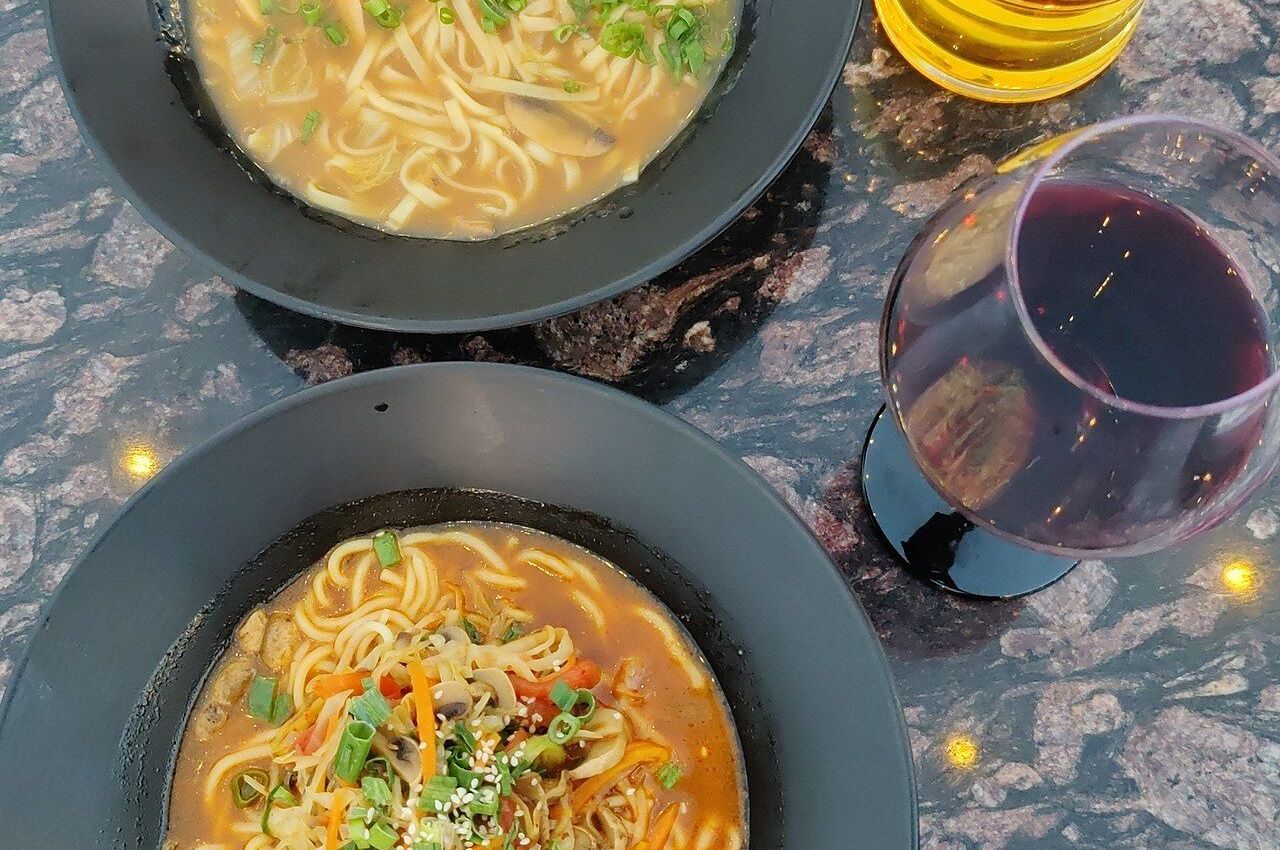
Does moderate drinking show up in the gut microbiota of people with prediabetes? A paper in Nutrición Hospitalaria looked at 67 Spanish adults aged 40-70, using data from a 12-week Moringa oleifera supplement study. The alcohol analysis was observational.
Participants kept three-day diet records and gave stool samples at three visits. Researchers measured nine bacterial groups by PCR and sorted people into little or no alcohol, beer (including alcohol-free beer), and wine or spirits. Moderate was up to 24 g a day for men and 12 g for women.
Overall microbiota composition differed by drinking group, more clearly in men. Akkermansia muciniphila was higher in male drinkers only, and no other bacterial group differed. Overall Mediterranean diet adherence did not differ significantly by group, though male abstainers ate less fruit than male drinkers.
The authors state that the associations do not show alcohol improves gut health or prevents diabetes. There were only 8 male abstainers, diet and alcohol were self-reported, only selected bacteria were tested, and everyone came from one Spanish region.
Alcohol, gut bacteria and prediabetes
67
Adults with prediabetes (37 women)
9
Bacterial groups measured by PCR
8
Male abstainers in the sample
12 weeks
Duration of the underlying study
Small observational analysis inside a supplement study. One author received a scholarship from a Spanish beer and lifestyle research organisation; no conflicts were declared.
- Akkermansia muciniphila is a gut bacterium that lives in the mucus layer of the intestine.
- The Moringa supplement had no detectable effect on the bacteria tested.
- The paper cites a 15% prevalence of prediabetes among Spanish adults.
- Effect of moderate alcohol consumption on gut microbiota in individuals with prediabetes and its association with a Mediterranean dietNutrición Hospitalaria (Velázquez, Díaz-Prieto, Gómez-Martínez et al.) · Primary paper, DOI 10.20960/nh.06539.
- Image pageWikimedia Commons · Contrapunctus-1, CC0. General illustration.
General nutrition information, not medical advice. Talk to your doctor or a registered dietitian before changing your diet, supplements or medication.
Analysis by NutroPractic from the sources listed. Written for general readers; it does not replace advice from your own doctor.
From our articles
Our guides on this subject
Plain-language guides on nutrition and wellness, backed by research.

Cardiovascular wellness
Psyllium husk: how much soluble fibre lowers LDL cholesterol and stabilizes post-meal glucose in clinical trials
Viscous soluble fibre forms a thick gel matrix in the small intestine that binds bile acids and blunts post-meal glucose spikes. Across dozens of randomized controlled trials, 7 to 10.2 grams of psyllium daily lowers LDL cholesterol by 6% to 12% without stripping HDL, while reducing postprandial glucose surges by 15% to 25% in metabolic syndrome and type 2 diabetes. Discover the bile acid sequestration mechanism, trial meta-analyses, exact timing before meals, water ratios, and titration protocols to avoid gas and cramping.
13 Nov 2026
Heart health
Triglycerides: what food, alcohol, weight loss and omega-3 actually change
A 5-10% weight loss often lowers triglycerides by about 20-30%, as can 4 g/day of prescription omega-3. Here is what 150, 500 and 1,000 mg/dL mean, which changes have numbers behind them, and when a result needs prompt care.
9 Nov 2026
Diabetes
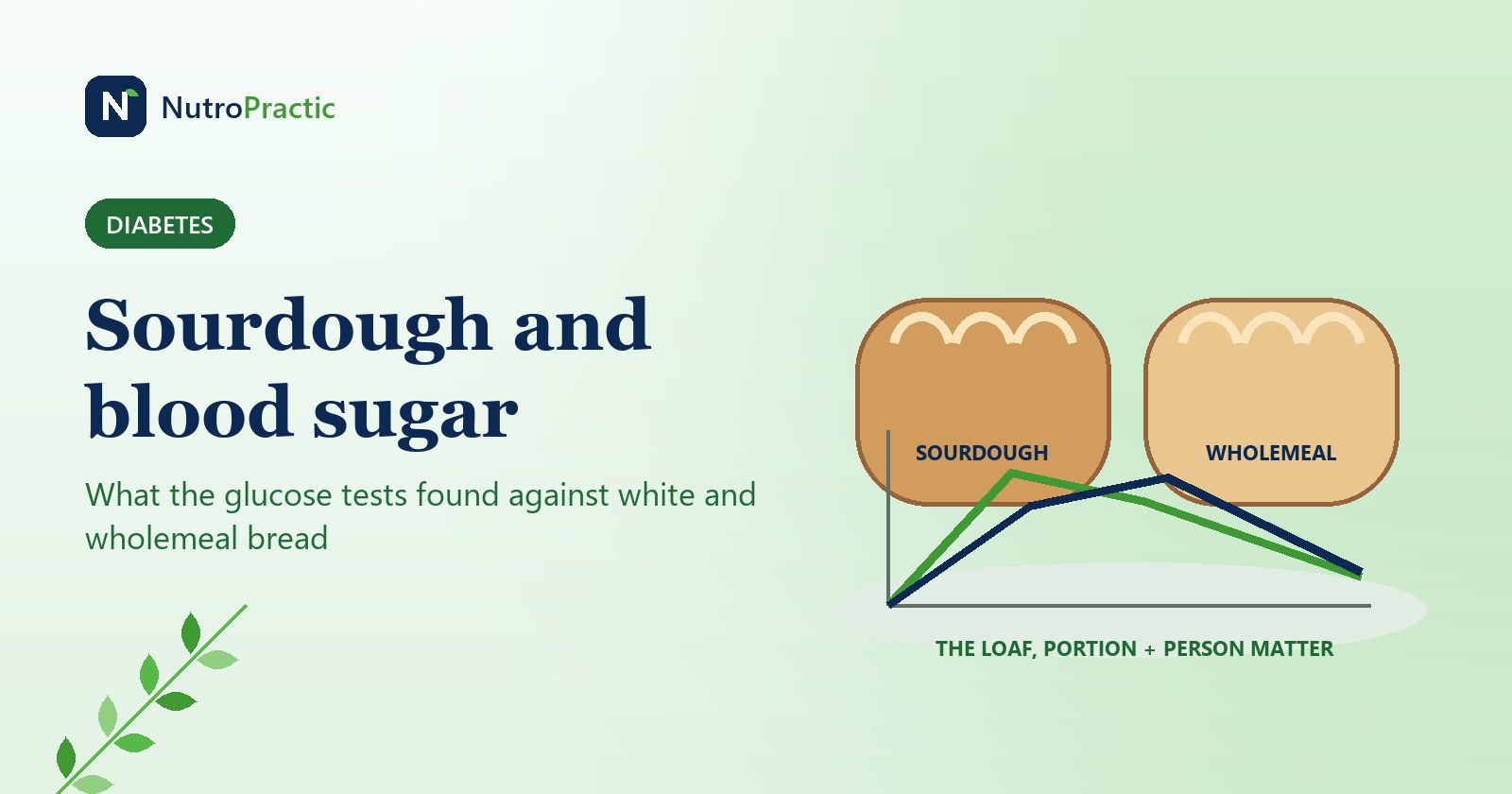
Sourdough and blood sugar: what the glucose tests found against white and wholemeal bread
Sourdough did not beat white bread on average in a 20-person crossover trial, and half responded better to white. A trial-by-trial look at fermentation, flour, portions, GI and how to test your own loaf fairly.
6 Nov 2026
Newsfeed for your website
Want this feed on your website?
Add it to any site with one copy-and-paste snippet. No sign-up, and it updates itself every hour.
Start with a virtual consultation
Tell Dr. Triveni what you want to change. You will leave with a clear next step, whether you are in Toronto, London, New York or Chennai.