Pediatric nutrition & cardiovascular health · November 28, 2026
Low-sodium herb-enriched salt cut blood pressure in children with excess weight in a 120-dyad crossover trial
A randomized crossover trial of 120 child-guardian pairs evaluated replacing regular table salt with a 65% sodium salt enriched with herbs. In children, systolic blood pressure fell by 1.4 mmHg and diastolic by 1.3 mmHg, with over 75% liking the taste.
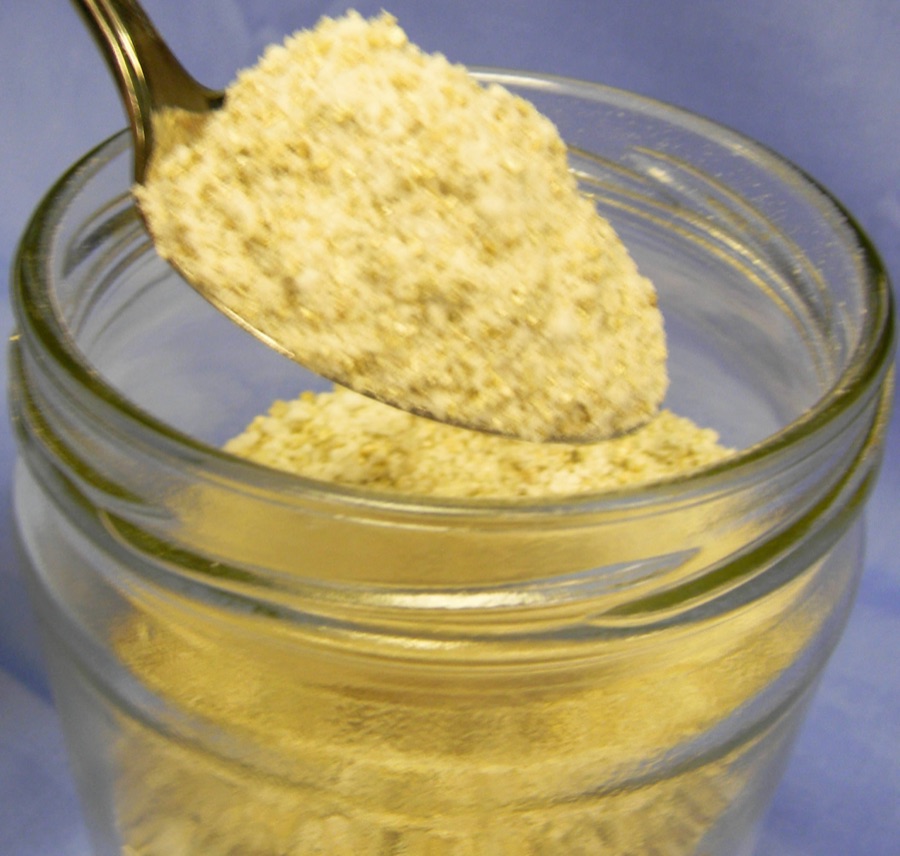
Excess sodium is a modifiable risk factor for high blood pressure, but cutting salt in children's food is hard to get families to accept.
In the British Journal of Nutrition, researchers conducted a crossover randomized clinical trial in 120 child-guardian dyads (children with excess weight and their adult guardians). Families were randomly assigned to use either an intervention low-sodium salt (formulated with 65% sodium chloride, 25% potassium chloride, and 10% herbs chosen for anti-inflammatory properties) or regular table salt (placebo) for one month, followed by a one-month washout period and crossover to the alternate salt.
Blood pressure and spot urinary sodium were assessed at baseline and after each period. In the intention-to-treat mixed-effects models, children using the herb-enriched salt experienced a 1.4 mmHg drop in systolic blood pressure and a 1.3 mmHg drop in diastolic blood pressure, compared with increases of +2.5 mmHg systolic and +1.7 mmHg diastolic during the regular salt phase (time × treatment p = 0.03 for systolic, p = 0.04 for diastolic). In adult guardians, blood pressure reductions did not reach statistical significance.
Urinary sodium decreased during the intervention and rose during the placebo phase in children, though the net difference did not achieve statistical significance. Importantly, sensory acceptability was high: over 75% of participants reported that they liked the herb-enriched salt. The authors noted that longer-term trials are needed to determine if these modest reductions persist and translate into cardiovascular protection.
Low-sodium herb-salt vs regular salt crossover RCT (120 dyads)
-1.4 / -1.3 mmHg
change in systolic / diastolic BP in children during intervention
+2.5 / +1.7 mmHg
change in systolic / diastolic BP in children during placebo phase
p = 0.03 / p = 0.04
time x treatment interaction p-values for SBP and DBP in children
> 75%
participants reporting high sensory acceptability of herb-enriched salt
Crossover randomized clinical trial in the British Journal of Nutrition, November 2026. 120 child-guardian dyads. Salt formulation was 65% NaCl, 25% KCl, and 10% herbs.
- The intervention salt replaced 35% of regular sodium chloride with potassium chloride (25%) and herbs (10%).
- Adult guardians did not show statistically significant blood pressure changes over the one-month intervention window.
- Low-sodium herb-enriched salt reduces blood pressure in children with excess weight: A Crossover Randomized Clinical TrialBritish Journal of Nutrition (Cambridge University Press), 26 Nov 2026 · Primary publication abstract and results.
This article is general information about published research, not medical advice. It does not diagnose, treat or replace care from a qualified health professional. Talk to your doctor before starting a supplement or changing your diet, especially if you are pregnant, have a medical condition or take medicines.
Analysis by NutroPractic from the sources listed. Written for general readers; it does not replace advice from your own doctor.
From our articles
Our guides on this subject
Plain-language guides on nutrition and wellness, backed by research.
Heart health
Salt, potassium and blood pressure: what the DASH trials and the salt-substitute studies showed
In the DASH-Sodium trial, a better diet with less salt lowered systolic blood pressure by 11.5 points in people with hypertension, about what one tablet does. A potassium-enriched salt cut strokes by 14% in a 21,000-person trial. What those studies tested, where the sodium in your day really comes from, and swaps that don't make dinner taste of nothing.
10 Oct 2026
Supplements and vitamins
Quercetin and vascular function: the 500 mg blood pressure trials, zinc ionophore claims, and food milligrams in red onions and capers
Meta-analyses put quercetin's effect on systolic blood pressure at about 3 mmHg, and about 4.5 mmHg in trials of 500 mg daily or more. Trials of artery function have mostly been negative. Why the zinc ionophore claim rests on cell dishes, plus caper and onion milligrams and safety.
25 Nov 2026
Supplements and vitamins
Resveratrol: what human trials found on blood pressure and artery stiffness, and why so little stays free after you swallow it
About 70% of a 25 mg dose is absorbed, yet free resveratrol is under 5% of it in blood. Trials show artery widening (FMD) up 1.43 points and systolic pressure down about 3 mmHg, mostly at 300 mg or more. Red wine has about 1.85 mg per litre, so 75 mg would take roughly 40 litres. Doses, tables and limits.
23 Nov 2026
Newsfeed for your website
Want this feed on your website?
Add it to any site with one copy-and-paste snippet. No sign-up, and it updates itself every hour.
Start with a virtual consultation
Tell Dr. Triveni what you want to change. You will leave with a clear next step, whether you are in Toronto, London, New York or Chennai.