Sports nutrition & cardiovascular health · November 29, 2026
Pre-exercise L-citrulline malate augments post-exercise blood pressure drops in meta-analysis of randomized trials
A systematic review and meta-analysis of six acute randomized controlled trials found that pre-exercise oral L-citrulline malate significantly augmented post-exercise hypotension, lowering 24-hour ambulatory systolic blood pressure by 8.8 mmHg in hypertensive adults.
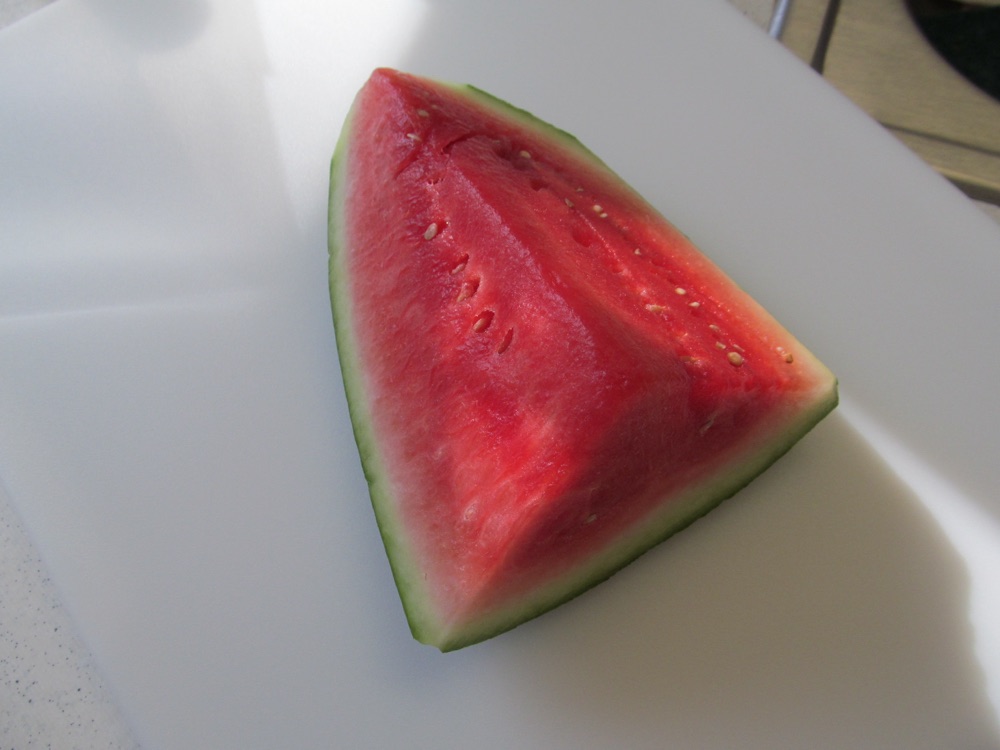
Post-exercise hypotension (PEH)—the temporary reduction in systemic blood pressure following acute physical exertion—is a clinically meaningful phenomenon for cardiovascular management. Supplementation with nitric oxide precursors, such as L-citrulline and L-citrulline malate, has gained interest as a potential nutritional strategy to enhance this vascular response.
In a systematic review and meta-analysis published in Blood Pressure, researchers pooled data from acute randomized controlled trials (RCTs) across four major databases through May 2026 to evaluate the effects of oral L-citrulline and L-citrulline malate on post-exercise blood pressure. Effect sizes were pooled using fixed-effects models yielding weighted mean differences (WMDs).
Across six included RCTs, moderate-quality GRADE evidence demonstrated that L-citrulline malate significantly enhanced post-exercise blood pressure reductions. Mean 0–60 minute post-exercise systolic blood pressure fell significantly (WMD -9.02 mmHg, 95% CI -16.22 to -1.82). Furthermore, 24-hour ambulatory blood pressure monitoring showed sustained reductions in both systolic (WMD -8.80 mmHg, 95% CI -16.66 to -0.95) and diastolic blood pressure (WMD -7.08 mmHg, 95% CI -11.01 to -3.16), with consistent drops during daytime and nighttime periods (all p < 0.05).
However, the authors noted important qualifications: pooled results at immediate 5- and 10-minute post-exercise intervals showed low to very low GRADE quality evidence due to inconsistency. Additionally, data for pure oral L-citrulline were extremely sparse (only one trial, precluding quantitative synthesis), and the primary evidence base derived from hypertensive patients performing aerobic exercise.
L-citrulline malate post-exercise hypotension meta-analysis (6 RCTs)
-9.02 mmHg
reduction in mean 0-60 min post-exercise systolic BP (95% CI -16.22 to -1.82)
-8.80 / -7.08 mmHg
reduction in 24-h ambulatory systolic / diastolic BP
-9.31 / -7.50 mmHg
reduction in daytime ambulatory systolic / diastolic BP
6 RCTs
acute randomized controlled trials included in the systematic review
Systematic review and meta-analysis published in Blood Pressure, November 2026. Moderate-quality GRADE evidence observed in hypertensive adults undergoing aerobic exercise.
- L-citrulline was first identified and isolated from watermelon (Citrullus lanatus) juice in 1914 by Japanese researchers.
- L-citrulline malate combines the amino acid L-citrulline with malic acid, an intermediate in the Krebs citric acid cycle.
- Can oral L-citrulline or L-citrulline malate augment the post-exercise hypotension response? A systematic review and meta-analysis of randomized controlled trialsBlood Pressure (Taylor & Francis), 26 Nov 2026 · Primary systematic review and meta-analysis.
This article is general information about published research, not medical advice. It does not diagnose, treat or replace care from a qualified health professional. Talk to your doctor before starting a supplement or changing your diet, especially if you are pregnant, have a medical condition or take medicines.
Analysis by NutroPractic from the sources listed. Written for general readers; it does not replace advice from your own doctor.
From our articles
Our guides on this subject
Plain-language guides on nutrition and wellness, backed by research.
Heart health
Salt, potassium and blood pressure: what the DASH trials and the salt-substitute studies showed
In the DASH-Sodium trial, a better diet with less salt lowered systolic blood pressure by 11.5 points in people with hypertension, about what one tablet does. A potassium-enriched salt cut strokes by 14% in a 21,000-person trial. What those studies tested, where the sodium in your day really comes from, and swaps that don't make dinner taste of nothing.
10 Oct 2026
Supplements and vitamins
Quercetin and vascular function: the 500 mg blood pressure trials, zinc ionophore claims, and food milligrams in red onions and capers
Meta-analyses put quercetin's effect on systolic blood pressure at about 3 mmHg, and about 4.5 mmHg in trials of 500 mg daily or more. Trials of artery function have mostly been negative. Why the zinc ionophore claim rests on cell dishes, plus caper and onion milligrams and safety.
25 Nov 2026
Supplements and vitamins
Resveratrol: what human trials found on blood pressure and artery stiffness, and why so little stays free after you swallow it
About 70% of a 25 mg dose is absorbed, yet free resveratrol is under 5% of it in blood. Trials show artery widening (FMD) up 1.43 points and systolic pressure down about 3 mmHg, mostly at 300 mg or more. Red wine has about 1.85 mg per litre, so 75 mg would take roughly 40 litres. Doses, tables and limits.
23 Nov 2026
Newsfeed for your website
Want this feed on your website?
Add it to any site with one copy-and-paste snippet. No sign-up, and it updates itself every hour.
Start with a virtual consultation
Tell Dr. Triveni what you want to change. You will leave with a clear next step, whether you are in Toronto, London, New York or Chennai.