Clinical Weight Management & Metabolic Pharmacology · November 23, 2026
Carbohydrate-Reduced Nutrition Synergizes with Incretin Medications for Enhanced 12-Month Weight Loss
A real-world 12-month cohort study demonstrates that pairing GLP-1 and dual GIP/GLP-1 incretin therapies with individualized carbohydrate-reduced nutritional therapy produces significantly superior weight loss compared to pharmacotherapy alone.
Incretin-based obesity medications—including the selective glucagon-like peptide-1 (GLP-1) receptor agonist semaglutide and the dual glucose-dependent insulinotropic polypeptide (GIP)/GLP-1 receptor agonist tirzepatide—have transformed obesity pharmacotherapy by powerfully reducing appetite and promoting satiety. However, clinical debate continues over whether integrating structured, individualized carbohydrate-reduced nutritional therapy provides meaningful additive efficacy or if pharmacologic appetite suppression renders dietary optimization redundant.
A comparative 12-month real-world cohort study published in Nutrients directly tested this question by evaluating patients prescribed incretin-based medications across two care paradigms: those receiving medication paired with remote, individualized carbohydrate-reduced nutritional therapy and behavioral coaching versus matched controls receiving standard medication management without structured nutritional therapy.
At the 12-month milestone, patients participating in the combined nutritional therapy plus medication protocol achieved significantly greater adjusted percentage weight reduction than those on medication alone. This synergistic benefit was evident across both semaglutide and tirzepatide cohorts. While tirzepatide maintained higher overall weight loss than semaglutide in accordance with head-to-head trial literature, the addition of structured carbohydrate restriction increased the proportion of patients achieving ambitious clinical targets, including ≥10%, ≥15%, and ≥20% total body weight loss.
Crucially, the researchers noted that carbohydrate-reduced nutrition addresses root drivers of metabolic dysfunction by curbing postprandial hyperinsulinemia and stabilizing glycemic excursions, preventing the rebound hunger and rapid weight regain that frequently accompany medication cessation. Furthermore, proactive nutritional guidance helped patients prioritize adequate dietary protein and essential micronutrients, guarding against the disproportionate loss of lean body mass that can occur during rapid pharmacologically driven hypocaloric intake.
Comparative 12-Month Outcomes of Incretin Therapy With and Without Dietary Optimization
12 Months
duration of real-world longitudinal cohort tracking on-treatment patients
Additive
statistically significant extra percentage weight loss with carbohydrate-reduced therapy
Tirzepatide
consistently demonstrated higher average percentage weight loss than semaglutide
>=15% Loss
significantly higher odds of reaching key weight reduction thresholds in the combined group
Analyses adjusted for baseline age, sex, body mass index, type 2 diabetes status, and medication titration schedules.
- Incretin medications delay gastric emptying and enhance central satiety signaling in the arcuate nucleus of the hypothalamus.
- Carbohydrate reduction suppresses circulating basal insulin levels, facilitating lipolysis and ketone production for sustained peripheral energy access.
- Without targeted dietary protein guidance, individuals experiencing rapid GLP-1-mediated weight reduction can lose up to 25% to 40% of total mass as lean tissue.
- Comparative 12-Month Weight Loss of Incretin-Based Obesity Medications Combined with Individualized Carbohydrate-Reduced NutritionNutrients · Real-world comparative cohort study published November 2026.
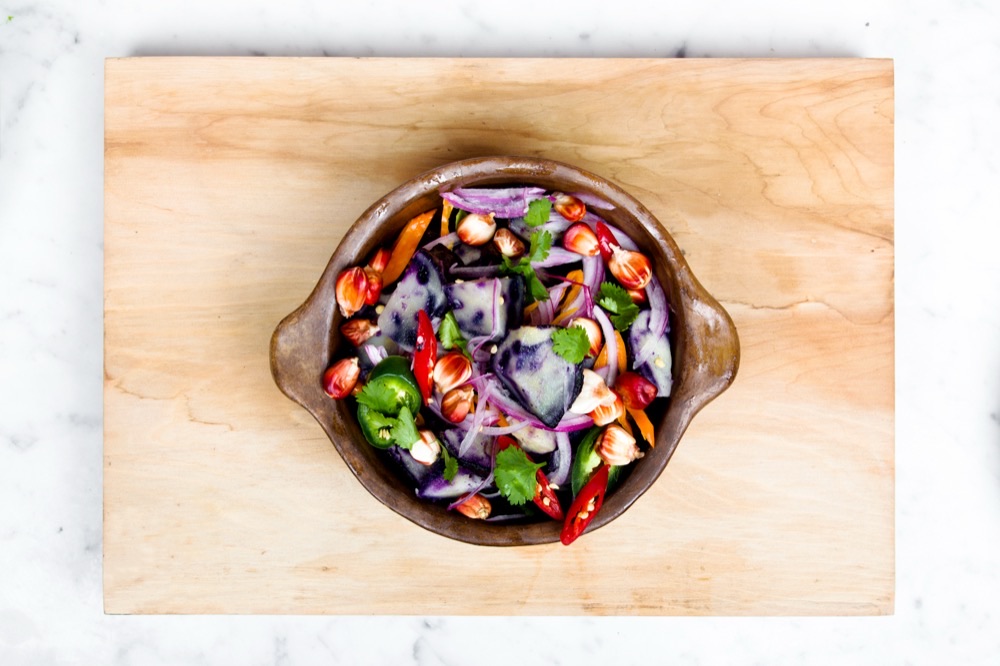
- File:Vegetable Salad (Unsplash).jpgWikimedia Commons · Photo via Unsplash, CC0 public domain.
Educational summary of nutrition research, not personal medical advice. Speak to your doctor or dietitian before changing your diet or supplements, especially if you are pregnant, take medicines or have a medical condition.
Analysis by NutroPractic from the sources listed. Written for general readers; it does not replace advice from your own doctor.
From our articles
Read, then eat a little better
Plain-language guides on nutrition and wellness, backed by research.
Supplements and vitamins
Spermidine from food or capsules: measured milligrams in wheat germ, soybeans and cheese, and what the one year-long trial found
Wheat germ holds about 22 to 34 mg of spermidine per 100 g, matured cheese about 0.12 mg. The only year-long capsule trial used 0.9 mg a day and found no memory benefit. Measured values, worked doses and safety.
22 Nov 2026

Supplements and vitamins
Zinc carnosine for the gut lining: what the two human trials gave, the zinc in each dose, and the copper catch
Zinc carnosine is only about 22.6% zinc, so 75 mg twice a day is roughly 34 mg of zinc a day. Here are the doses and results of the 10-person NSAID permeability trial and the 20-person aspirin pilot, and the copper cautions.
22 Nov 2026

Women's health
Inositol for PCOS: the 40:1 ratio, trial doses, and food milligrams
Why do randomized trials in polycystic ovary syndrome prioritize the 40:1 myo to D-chiro inositol ratio? Here is the science behind the ovarian epimerase paradox, clinical ovulation and insulin metrics, and why cantaloupe cannot replace 4,000 mg trial powder.
21 Nov 2026
Newsfeed for your website
Want this feed on your website?
Add it to any site with one copy-and-paste snippet. No sign-up, and it updates itself every hour.
Start with a virtual consultation
Tell Dr. Triveni what you want to change. You will leave with a clear next step, whether you are in Toronto, London, New York or Chennai.