Maternal & infant nutrition · November 19, 2026
Maternal diabetes and hypothyroidism tracked with lower antioxidant capacity in breast milk, but core macronutrients held steady
A study of 208 breastfeeding mothers found that while type 2 diabetes and hypothyroidism were associated with 14% to 29% lower antioxidant radical scavenging in mature milk, protein, fat, and lactose remained nutritionally balanced.
Endocrine and metabolic disorders such as type 2 diabetes and hypothyroidism are increasingly common among women of childbearing age. Because maternal hormones regulate both mammary gland physiology and metabolic signaling, clinicians and parents have often questioned whether these chronic conditions compromise the nutritional density or immunological properties of human breast milk.
To provide clear answers, a clinical cross-sectional study published in Nutrients examined 208 lactating mothers between 3 and 12 months postpartum. The cohort included 79 women diagnosed with hypothyroidism, 53 women managing type 2 diabetes, and 76 healthy lactating controls. Researchers analyzed mature human milk for macronutrients, total caloric value, cortisol concentrations, and antioxidant capacity using standardized DPPH radical scavenging and ferric reducing antioxidant power (FRAP) assays.
The reassuring finding for mothers was that core nutritional composition was largely preserved. Although raw unadjusted numbers suggested slight fluctuations in milk fat, those differences disappeared after adjusting for maternal body mass index, infant age, and clinical covariates in multivariable models. Total protein, fat, lactose, and caloric density met standard physiological infant requirements across all groups.
However, antioxidant defenses showed noticeable vulnerability. Mature milk from mothers with type 2 diabetes exhibited a 13.8% reduction in DPPH radical reduction capacity compared to controls, while milk from mothers with hypothyroidism showed a 29% reduction. In diabetic mothers, milk cortisol levels also correlated positively with milk protein and caloric density. The researchers conclude that while endocrine disorders do not diminish essential macronutrients, supporting maternal antioxidant status and metabolic stability during lactation remains an important clinical goal.
Human milk characteristics across endocrine and metabolic cohorts
208
Lactating women evaluated at 3 to 12 months postpartum
79 / 53 / 76
Participants with hypothyroidism, type 2 diabetes, and healthy controls
-29.0%
Lower DPPH radical antioxidant scavenging in milk with hypothyroidism
-13.8%
Lower DPPH radical antioxidant scavenging in milk with type 2 diabetes
Cross-sectional cohort study. Macronutrient differences (fat, protein, lactose, total calories) were not statistically significant after adjusting for maternal BMI and postpartum timing.
- Human milk provides bioactive antioxidants, including enzymes like superoxide dismutase and dietary compounds like vitamin E and carotenoids, to protect neonatal tissues from oxidative stress.
- Thyroid hormones influence prolactin and oxytocin responsiveness in mammary tissue, helping govern glandular maturation.
- Maternal cortisol crosses into human milk in small quantities, where it is thought to participate in neonatal intestinal development and circadian programming.
- Mature milk composition remains remarkably stable across diverse maternal diets, as the body prioritizes infant macronutrient delivery.
- The Association of Type 2 Diabetes and Hypothyroidism with the Composition and Antioxidant Properties of Human Milk: A Cross-Sectional StudyNutrients / MDPI · Cross-sectional analysis in 208 breastfeeding women. Published 9 November 2026.
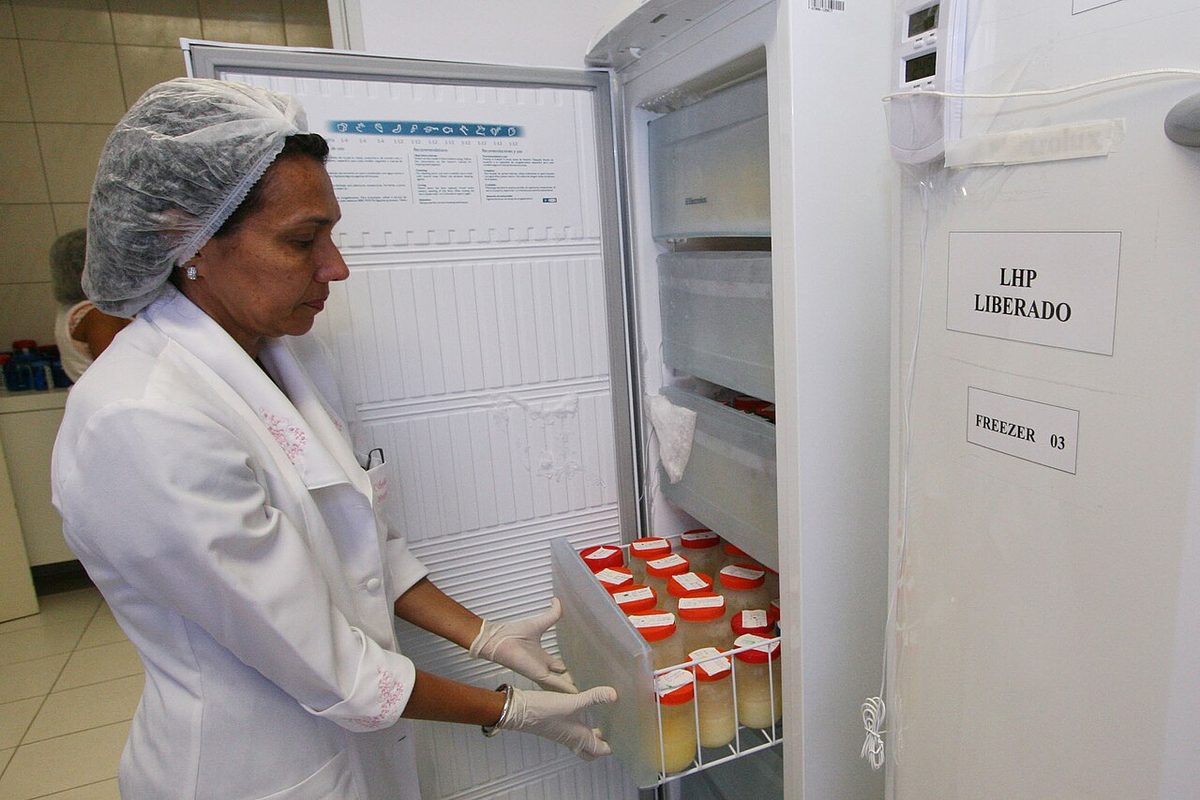
- Banco de Leite do IPERBAWikimedia Commons · Photo by Carol Garcia / AGECOM, Government of Bahia, CC BY 2.0.
General maternal and infant health information, not individualized medical advice. Mothers managing thyroid or metabolic conditions should work with their endocrinologist and lactation consultant to optimize health during breastfeeding.
Analysis by NutroPractic from the sources listed. Written for general readers; it does not replace advice from your own doctor.
From our articles
Our guides on this subject
Plain-language guides on nutrition and wellness, backed by research.
Indian kitchen
Dal and pulses in an Indian kitchen: protein, soaking, gas and blood sugar
A katori of dal gives about 6 to 10 g of protein, depending on how much raw dal goes in. What India's food tables and the ICMR-NIN 2024 guidelines say about rice with dal, how much soaking, sprouting and pressure cooking cut phytate and the sugars behind the gas, the GI of chana dal and rajma, raw rajma safety, and a worked plate for diabetes.
25 Oct 2026
Global data
Diabetes, obesity, child malnutrition and hunger, 1980 to 2050: what the numbers show
How diabetes, obesity, child malnutrition and hunger have changed since 1980, with sourced figures and a basic projection to 2050. Click a condition to explore the chart and its facts.
5 Oct 2026
Supplements and vitamins
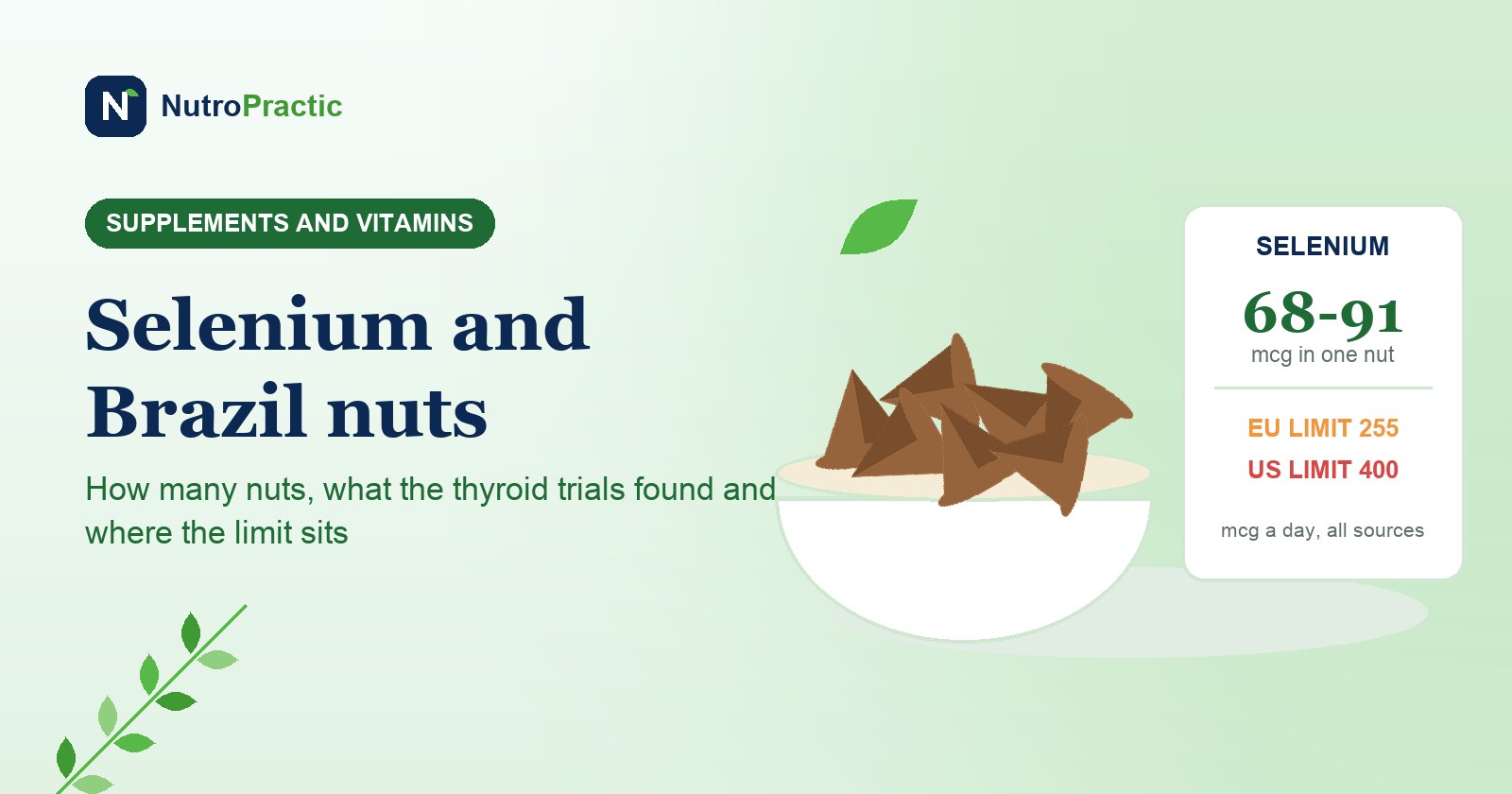
Selenium: how many Brazil nuts, what the thyroid trials found, and where the upper limit sits
One Brazil nut holds 68 to 91 mcg of selenium on average, against a 255 mcg European ceiling. A table of nuts per day, what the Hashimoto trials measured, and why more is not better.
14 Nov 2026
Newsfeed for your website
Want this feed on your website?
Add it to any site with one copy-and-paste snippet. No sign-up, and it updates itself every hour.
Start with a virtual consultation
Tell Dr. Triveni what you want to change. You will leave with a clear next step, whether you are in Toronto, London, New York or Chennai.