Cardiovascular health & beverages · November 28, 2026
In 490,889 UK adults, moderate coffee drinkers had a lower stroke risk than the lowest drinkers, with the dip at about 2 to 3 cups a day
A UK Biobank cohort followed coffee habits and 22,579 strokes. Risk was lowest at moderate intake and the link was J-shaped, but it is observational.
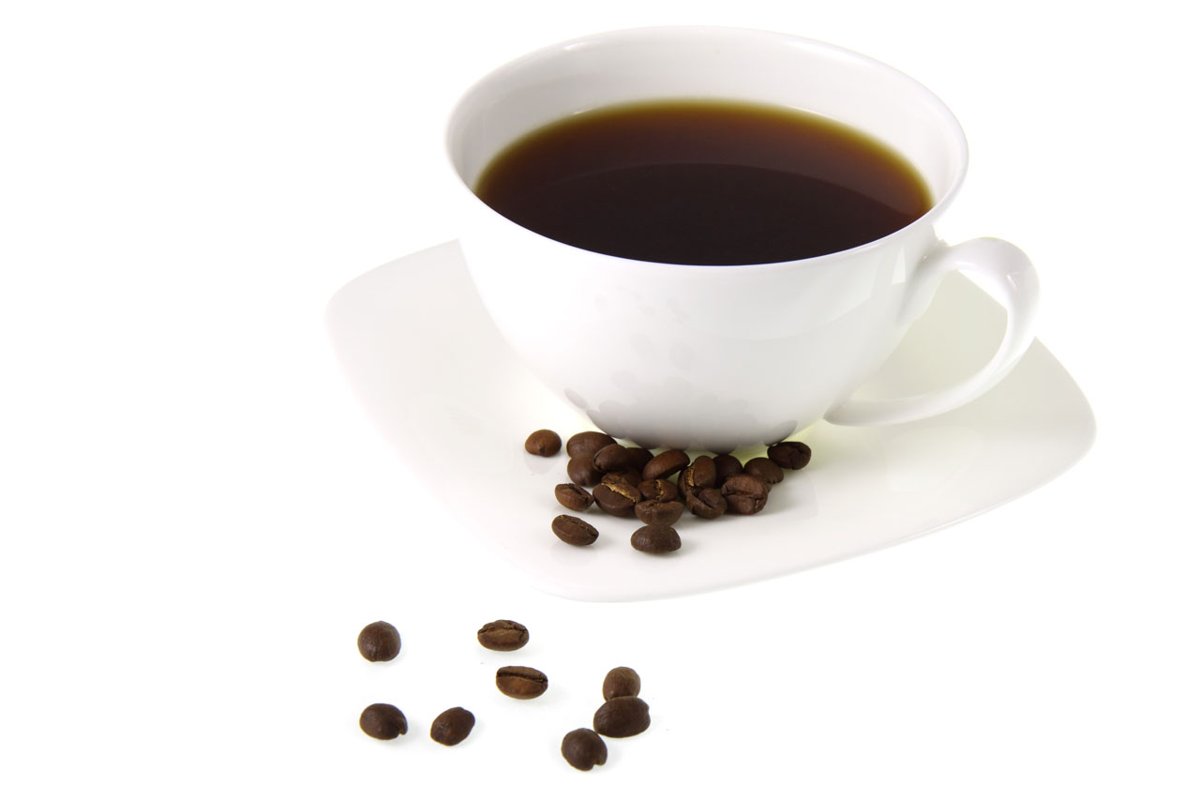
Whether regular coffee drinking affects stroke risk has stayed unclear. A new analysis in the Journal of the American Heart Association, led by Lin and colleagues, used the UK Biobank to look at the question in a very large group.
The researchers analysed 490,889 participants with no earlier stroke. Average self-reported coffee intake was sorted into four groups: up to 0.5, 0.6 to 1.67, 1.68 to 3.0, and more than 3.0 cups a day. During follow-up, 22,579 strokes were recorded through hospital and death registries and self-reported diagnoses.
Compared with the lowest group, adjusted hazard ratios were 0.86 (95% CI 0.83 to 0.89) for 0.6 to 1.67 cups, 0.92 (0.89 to 0.96) for 1.68 to 3.0 cups, and 0.98 (0.94 to 1.02) for more than 3 cups, which is no clear difference. The curve was J-shaped, with the lowest estimated risk at roughly 2 to 3 cups a day. Results were broadly similar across CYP1A2 genotype and stroke polygenic risk groups, with no significant interaction. High intake of decaffeinated coffee was linked to higher risk.
This is an observational study, so it cannot show that coffee lowers stroke risk, and the authors say it should not be read as a reason to prescribe coffee for stroke prevention.
Habitual coffee intake and incident stroke, UK Biobank
490,889
UK Biobank participants without prior stroke
22,579
incident strokes during follow-up
HR 0.86
for 0.6 to 1.67 cups a day vs up to 0.5 (95% CI 0.83 to 0.89)
Prospective cohort, Journal of the American Heart Association, 18 Nov 2026. Observational: association only.
- The study checked CYP1A2, a gene that affects how fast the body clears caffeine, and found no significant interaction with the coffee and stroke link.
- High intake of decaffeinated coffee was associated with higher stroke risk in this cohort, a finding the authors report alongside the moderate-intake result.
- Habitual Coffee Consumption, Genetic Susceptibility, and Incident Stroke: A Prospective Cohort Study in the UK BiobankJournal of the American Heart Association, 18 Nov 2026 · Abstract and results.
This article is general information about published research, not medical advice. It does not diagnose, treat or replace care from a qualified health professional. Talk to your doctor before starting a supplement or changing your diet, especially if you are pregnant, have a medical condition or take medicines.
Analysis by NutroPractic from the sources listed. Written for general readers; it does not replace advice from your own doctor.
From our articles
Our guides on this subject
Plain-language guides on nutrition and wellness, backed by research.

Cardiovascular wellness
Psyllium husk: how much soluble fibre lowers LDL cholesterol and stabilizes post-meal glucose in clinical trials
Viscous soluble fibre forms a thick gel matrix in the small intestine that binds bile acids and blunts post-meal glucose spikes. Across dozens of randomized controlled trials, 7 to 10.2 grams of psyllium daily lowers LDL cholesterol by 6% to 12% without stripping HDL, while reducing postprandial glucose surges by 15% to 25% in metabolic syndrome and type 2 diabetes. Discover the bile acid sequestration mechanism, trial meta-analyses, exact timing before meals, water ratios, and titration protocols to avoid gas and cramping.
13 Nov 2026
Women's health
Eating while breastfeeding: extra calories, iodine, caffeine, fish and alcohol, with the actual numbers
Breastfeeding usually adds about 330–400 kcal a day, but the smaller numbers can matter more: 290 mcg iodine, 400 IU vitamin D for baby, 8–12 oz fish a week, and a caffeine total you can actually add up.
6 Nov 2026
Lifestyle
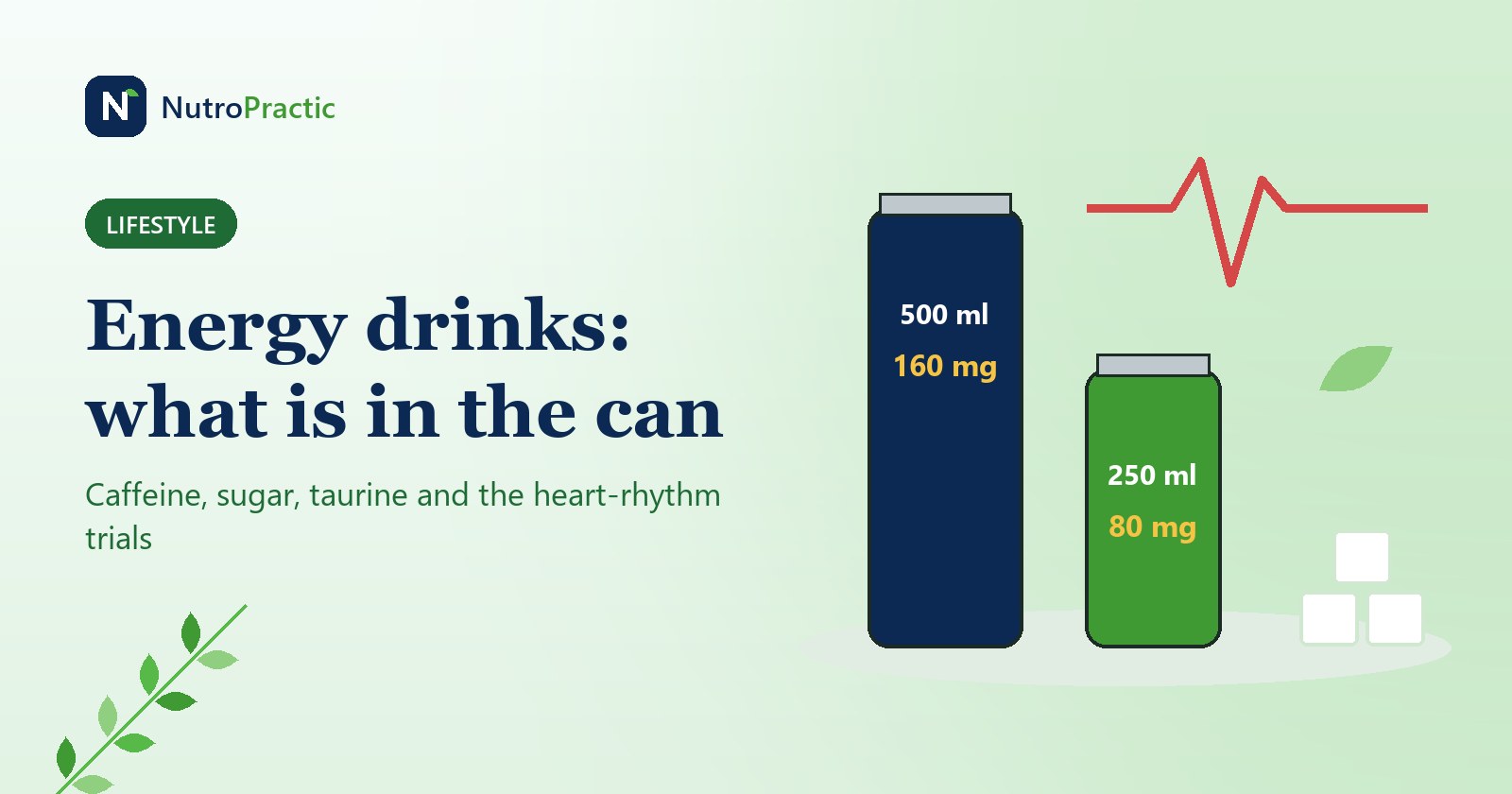
Energy drinks: caffeine, sugar and taurine per can, and what the emergency-visit and heart-rhythm studies found
From 80 mg to 300 mg of caffeine, and up to 55 g of sugar in one can. The numbers by brand, what they mean for a 50 kg teenager, what the QT and blood pressure trials measured, the old emergency-visit data and England's coming under-16 ban.
4 Nov 2026
Newsfeed for your website
Want this feed on your website?
Add it to any site with one copy-and-paste snippet. No sign-up, and it updates itself every hour.
Start with a virtual consultation
Tell Dr. Triveni what you want to change. You will leave with a clear next step, whether you are in Toronto, London, New York or Chennai.