Gut microbiota & precision nutrition · November 25, 2026
Moving beyond gut bacterial taxonomy to metabolic function in precision nutrition: editorial synthesis
An editorial in Nutrients synthesizes breakthroughs in nutritional immunology, arguing that clinical precision nutrition must transition from cataloging microbial taxonomic abundance to measuring active short-chain fatty acid and bile acid signaling pathways.
For the past two decades, microbiome research has relied heavily on 16S rRNA gene sequencing to describe 'dysbiosis'—correlating reductions in bacterial alpha-diversity or altered Firmicutes-to-Bacteroidetes ratios with chronic diseases ranging from inflammatory bowel disease to obesity and rheumatoid arthritis. However, descriptive taxonomic shifts have rarely translated into predictable, reproducible dietary prescriptions for individual patients.
In a conceptual synthesis and Special Issue editorial published in Nutrients, clinical immunologist Dr. Zsolt Barta highlights that disease-associated microbial signatures represent only a starting diagnostic baseline. The critical scientific frontier for nutritional immunology is deciphering microbial functional outputs: what specific biochemical metabolites commensal communities synthesize from dietary substrates, how those signals bind host receptors, and whether dietary modulation of those pathways improves clinical outcomes.
Reviewing multi-omic intervention trials across metabolic syndrome, chronic physical exhaustion, drug-induced enteropathy, and aging, the synthesis identifies recurrent functional axes connecting diet to immune equilibrium. Central among these are short-chain fatty acids (SCFAs)—particularly butyrate, propionate, and acetate—which signal through host G-protein-coupled receptors (GPR41/FFAR3, GPR43/FFAR2) and inhibit histone deacetylases (HDACs), expanding immunosuppressive regulatory T cells (Tregs) and sealing epithelial tight junctions.
The editorial concludes that precision nutrition must move away from generic fermented food recommendations toward targeted substrate matching: pairing specific fermentable fiber structures (such as resistant starches, beta-glucans, or tailored oligosaccharides) with a patient's baseline metagenomic functional capacity to elicit predictable therapeutic immunometabolic responses.
Nutritional immunology framework: from microbial taxonomy to functional output
Functional Shift
transition from 16S taxonomic catalogs to metabolomic functional pathway outputs
SCFA Axis
microbial butyrate, propionate, and acetate drive Treg induction via GPR41/GPR43 signaling
HDAC Inhibition
bacterial butyrate acts as an epigenetic histone deacetylase inhibitor, repressing mucosal inflammation
Substrate Matching
precision nutrition pairs distinct prebiotic structures with individualized metabolic targets
Editorial synthesis published in Nutrients, 23 November 2026.
- Colonic epithelial cells derive up to 70% of their baseline cellular energy directly from bacterial butyrate via beta-oxidation.
- Secondary bile acids produced by gut bacterial 7-alpha-dehydroxylation regulate host metabolic rate via the TGR5 receptor.
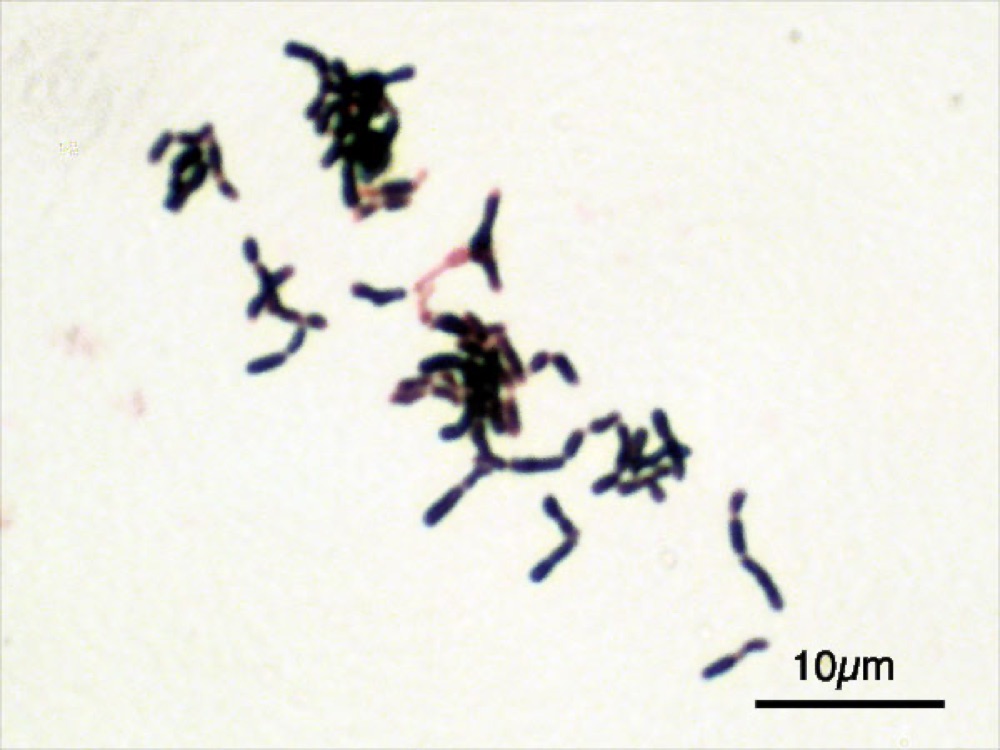
- Bifidobacteria produce acetate and lactate during carbohydrate fermentation, which cross-feed butyrate-producing Clostridial clusters.
- Disease-Associated Gut Microbiota Patterns, Nutritional Factors, and Host Immunity: From Associations to Precision NutritionNutrients · Open-access editorial synthesis. Published 23 November 2026.
- File:Bifidobacterium adolescentis Gram.jpgWikimedia Commons · Photo by Y tambe, CC BY-SA 3.0.
Educational summary of nutrition research, not personal medical advice. Speak to your doctor or dietitian before changing your diet or supplements, especially if you are pregnant, take medicines or have a medical condition.
Analysis by NutroPractic from the sources listed. Written for general readers; it does not replace advice from your own doctor.
From our articles
Our guides on this subject
Plain-language guides on nutrition and wellness, backed by research.
Gut health
L-glutamine for gut barrier integrity: what the post-infectious IBS and permeability trials measured, and the dose in grams
At 15 g a day, glutamine took 79.6% of post-infection IBS-D patients to a clinical response against 5.8% on placebo. Trials that measured gut permeability directly in Crohn's, pancreatitis and heat stress found no clear benefit, and a 10-trial meta-analysis found none overall. The doses, the 14 g a day safe level, and who might try it.
27 Nov 2026

Women's wellness and nutrition
Probiotics for recurrent UTI: what the Lactobacillus trials found strain by strain, and how they compare with antibiotics
Recurrence was 15% vs 27% with a vaginal L. crispatus probiotic (a gap that could be chance), 31.8% vs 70.4% for vaginal plus oral lactobacilli in a 174-woman trial, and oral GR-1 and RC-14 failed to show noninferiority to antibiotics over 12 months. Strains, doses, worked numbers and the resistance trade-off.
26 Nov 2026

Supplements and vitamins
Zinc carnosine for the gut lining: what the two human trials gave, the zinc in each dose, and the copper catch
Zinc carnosine is only about 22.6% zinc, so 75 mg twice a day is roughly 34 mg of zinc a day. Here are the doses and results of the 10-person NSAID permeability trial and the 20-person aspirin pilot, and the copper cautions.
22 Nov 2026
Newsfeed for your website
Want this feed on your website?
Add it to any site with one copy-and-paste snippet. No sign-up, and it updates itself every hour.
Start with a virtual consultation
Tell Dr. Triveni what you want to change. You will leave with a clear next step, whether you are in Toronto, London, New York or Chennai.