Coeliac disease · November 7, 2026
One gluten-free survey produced adherence estimates of 35%, 39% and 44% — depending on the rule
Only 32 of 91 online respondents met both questionnaire thresholds. Unverified diagnoses, unvalidated translations and missing original records make the disagreement the real lesson.
A 2021 online survey recruited 91 adults from one Tunisian coeliac-association Facebook group. Everyone reported coeliac disease and at least a year on a gluten-free diet, but telephone follow-up confirmed only their reports, not medical records. Adherence was assessed with the Biagi questionnaire and the Celiac Dietary Adherence Test.
Thirty-two people, or 35.2%, met a combined rule requiring both thresholds. The Biagi tool alone classified 40 people, or 44.0%, as adherent, while the CDAT classified 35, or 38.5%. Eleven people received discordant classifications. Anxiety symptoms were reported by 6 of 32 who met the combined rule and 36 of 59 who did not, an unadjusted cross-sectional association that cannot establish direction.
The unusually candid limitations are central: translations had no documented local validation, original participant-level records and questionnaire wording were unavailable for the revised analysis, and one label-reading count could not be reconciled. The combined rule itself has not been clinically validated. These percentages describe a selected online sample under three definitions; none estimates national adherence or proves intestinal healing.
Measurement choice changed the answer
91
Adults in the selected online sample
32 (35.2%)
Met both Biagi and CDAT thresholds; 95% CI 26.1–45.4
40 (44.0%)
Met the Biagi threshold alone
35 (38.5%)
Met the CDAT threshold alone
11
Discordant classifications between the two tools
Cross-sectional convenience survey with self-reported diagnosis and unavailable source records. The combined questionnaire rule and translations lacked local clinical validation.
- Questionnaire adherence is not the same as confirmation that the small intestine has healed.
- Gluten can enter food through ingredients, shared preparation surfaces or cross-contact.
- When two screening tools disagree, requiring both to pass will always classify no more people than either tool alone.
- Coeliac disease treatment should include attention to nutritional adequacy, not only gluten avoidance.
- Gluten-free diet adherence and associated practical, socioeconomic, and psychological factors among Tunisian adults with self-reported celiac disease: a cross-sectional studyFrontiers in Nutrition, 4 November 2026 · Primary open-access study; recruitment, operational definitions, counts, discordance, anxiety comparison and archival limitations checked against the full article.
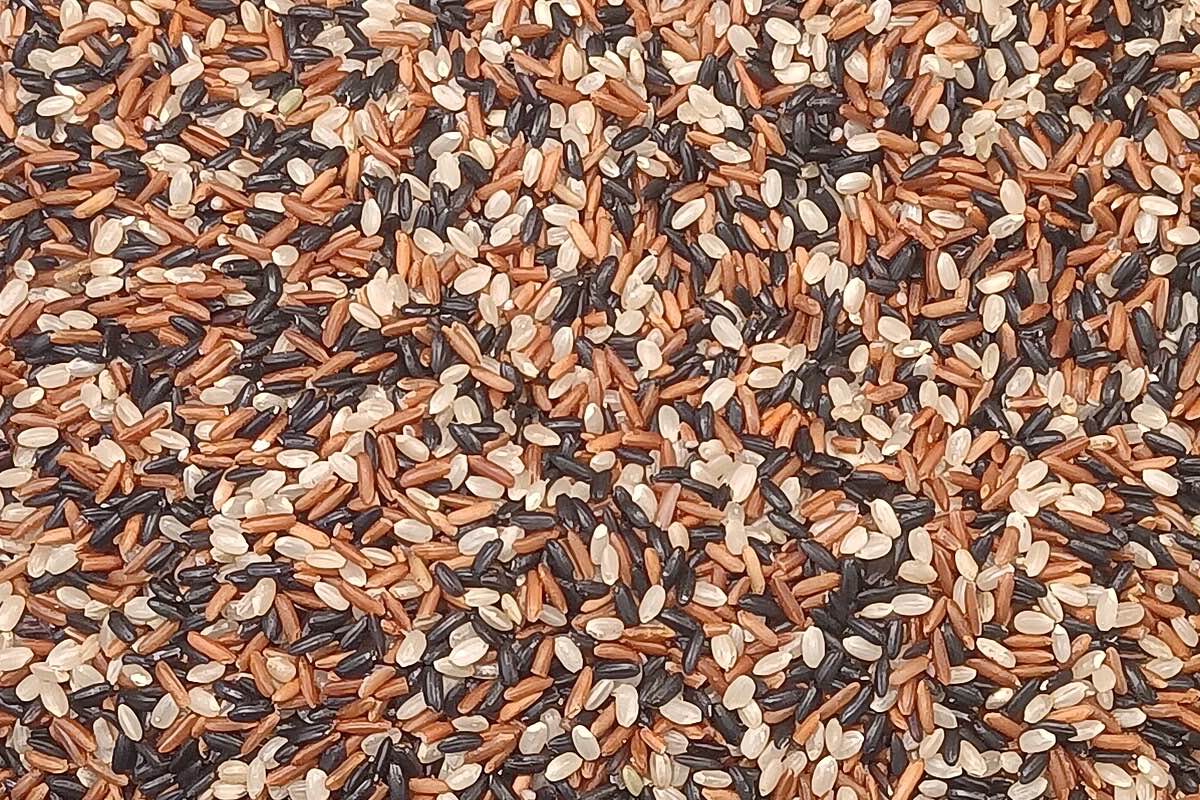
- Tricolor brown riceWikimedia Commons · Photograph by Fumikas Sagisavas, CC0; general gluten-free-food illustration only.
General information, not medical advice. Do not start or relax a gluten-free diet on the basis of a questionnaire or online study. Suspected coeliac disease and ongoing symptoms need qualified medical and dietetic care.
Analysis by NutroPractic from the sources listed. Written for general readers; it does not replace advice from your own doctor.
From our articles
Read, then eat a little better
Plain-language guides on nutrition and wellness, backed by research.
Everyday eating
Protein bars and shakes: what you get per 100 calories
Four current labels range from 6.3 to 20 g protein per 100 kcal. Here is how bars, shakes, eggs, yogurt and lentils compare—and when a supplement actually helps.
6 Nov 2026

Everyday eating
Instant noodles: the sodium in the whole packet, and what actually reduces it
Three official labels range from 750 to 1,520 mg sodium per packet. Here is the whole-pack arithmetic, what the broth study measured, and how to turn noodles into a more complete meal.
6 Nov 2026
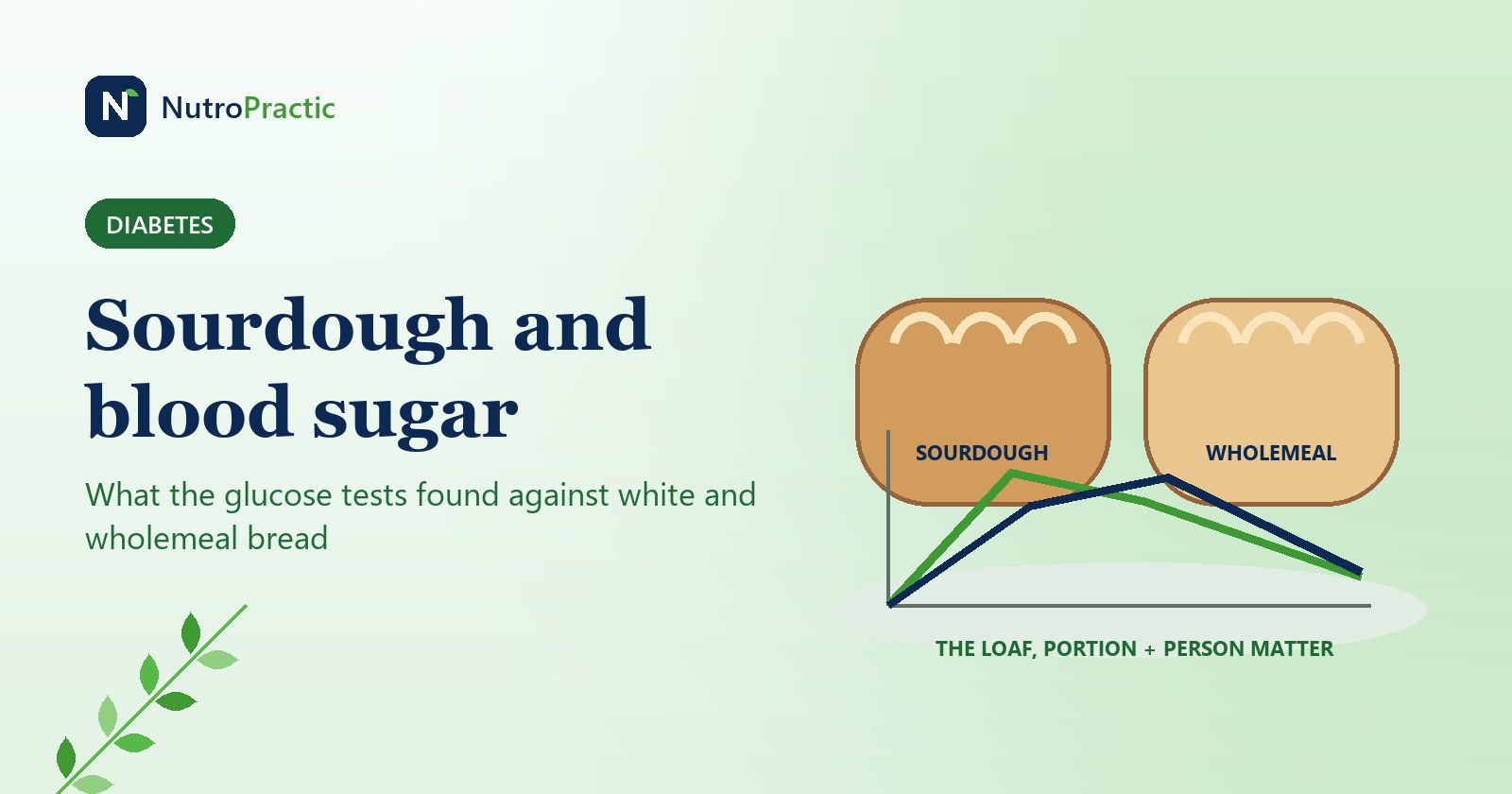
Diabetes
Sourdough and blood sugar: what the glucose tests found against white and wholemeal bread
Sourdough did not beat white bread on average in a 20-person crossover trial, and half responded better to white. A trial-by-trial look at fermentation, flour, portions, GI and how to test your own loaf fairly.
6 Nov 2026
Newsfeed for your website
Want this feed on your website?
Add it to any site with one copy-and-paste snippet. No sign-up, and it updates itself every hour.
Start with a virtual consultation
Tell Dr. Triveni what you want to change. You will leave with a clear next step, whether you are in Toronto, London, New York or Chennai.