Sensory nutrition · November 7, 2026
Nine foods seemed to differ by fat-taste sensitivity — after correction, none did
A test in 117 young adults found useful links between liking and eating for some foods. Its only diet-pattern signal came from a post-hoc analysis, not the planned one.
Researchers recruited 117 Lebanese adults aged 18–40 and measured how little linoleic acid they could detect in a sip-and-spit test. Thresholds were available for 108 people: 83 were classified as having high fat-taste sensitivity and 25 as having low sensitivity. Food liking and habitual intake came from separate questionnaires.
Among 86 people with complete paired diet data, eight of 21 planned liking-versus-intake correlations survived false-discovery-rate correction. Nine individual foods initially appeared different between sensitivity groups, but none remained clear after correction. Five dietary patterns derived from the 19 predefined food categories also showed no adjusted association with low sensitivity.
A post-hoc analysis of 16 selected foods did find that a vegetable-and-olive pattern was linked to lower odds of low sensitivity: odds ratio 0.28, with a 95% confidence interval from 0.10 to 0.76. Because the planned broader analysis was null and the narrower pattern was created after looking more closely, that result needs independent confirmation. The study is a good demonstration of why multiple-testing correction and labels such as post hoc matter.
Planned results were mostly null
117
Adults aged 18–40 recruited for the cross-sectional study
83 / 25
High- and low-fat-taste sensitivity among 108 with thresholds
8 of 21
Planned liking–consumption correlations surviving correction
0 of 97
Individual foods differing between groups after correction
OR 0.28
Low sensitivity with the post-hoc vegetable-and-olive pattern; 95% CI 0.10–0.76
Cross-sectional convenience sample. The study's prespecified category-based patterns were null; the reported vegetable-and-olive association came from a narrower exploratory analysis.
- The proposed taste of fatty acids is sometimes called oleogustus.
- A three-alternative forced-choice test asks someone to identify one different sample among three.
- False-discovery-rate correction reduces the chance that one of many comparisons looks important by accident.
- Food liking and food intake can match for one food but not another; a single preference score may hide that detail.
- Orosensory fat taste sensitivity and dietary patterns in young Lebanese adults: a cross-sectional studyFrontiers in Nutrition, 5 November 2026 · Primary open-access study; recruitment, threshold test, corrected comparisons and planned versus post-hoc pattern results checked against the article.
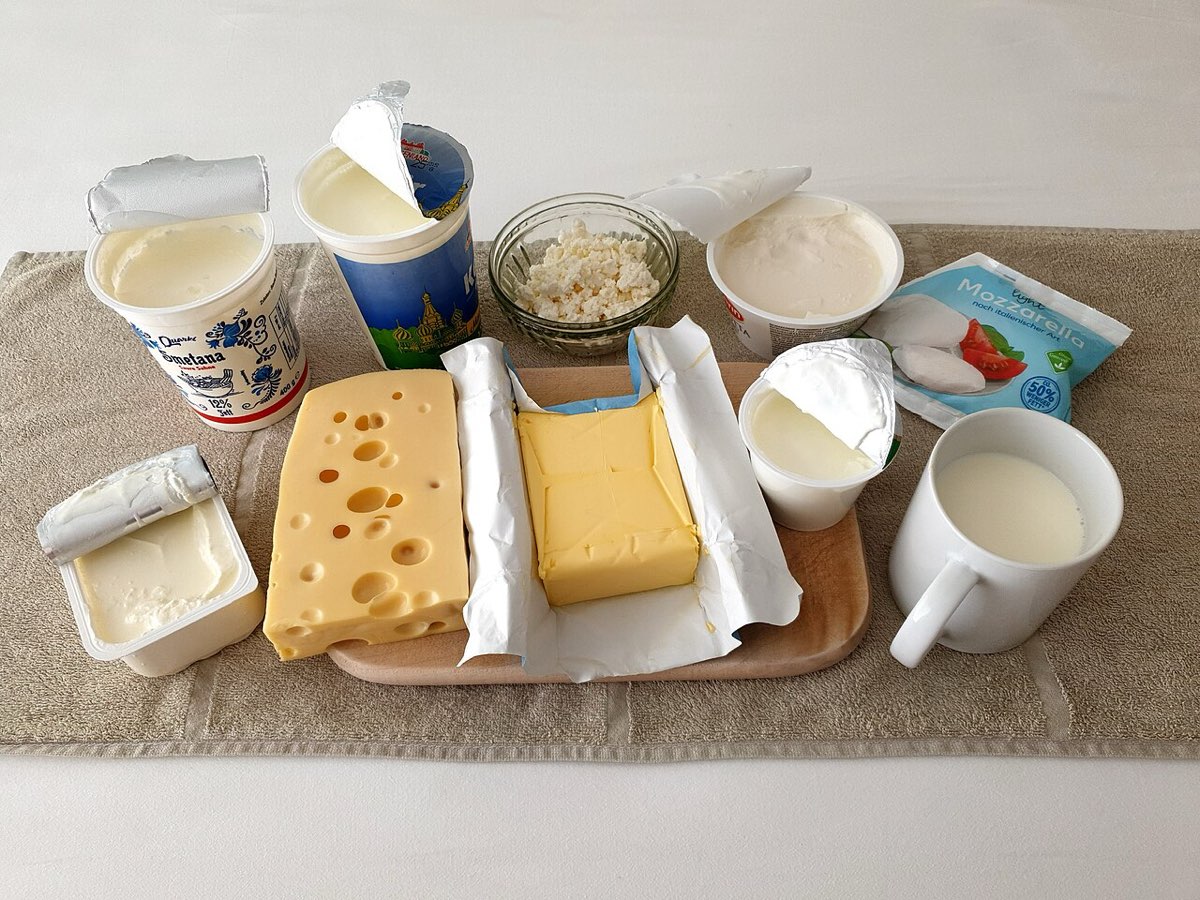
- Dairy productsWikimedia Commons · Photograph by Alexschneider250, CC0; general fat-taste illustration only.
General information, not medical advice. A laboratory taste threshold does not diagnose a health condition or identify a diet someone should follow. Individual nutrition questions belong with a qualified dietitian or clinician.
Analysis by NutroPractic from the sources listed. Written for general readers; it does not replace advice from your own doctor.
From our articles
Read, then eat a little better
Plain-language guides on nutrition and wellness, backed by research.
Everyday eating
Protein bars and shakes: what you get per 100 calories
Four current labels range from 6.3 to 20 g protein per 100 kcal. Here is how bars, shakes, eggs, yogurt and lentils compare—and when a supplement actually helps.
6 Nov 2026

Everyday eating
Instant noodles: the sodium in the whole packet, and what actually reduces it
Three official labels range from 750 to 1,520 mg sodium per packet. Here is the whole-pack arithmetic, what the broth study measured, and how to turn noodles into a more complete meal.
6 Nov 2026
Diabetes
Sourdough and blood sugar: what the glucose tests found against white and wholemeal bread
Sourdough did not beat white bread on average in a 20-person crossover trial, and half responded better to white. A trial-by-trial look at fermentation, flour, portions, GI and how to test your own loaf fairly.
6 Nov 2026
Newsfeed for your website
Want this feed on your website?
Add it to any site with one copy-and-paste snippet. No sign-up, and it updates itself every hour.
Start with a virtual consultation
Tell Dr. Triveni what you want to change. You will leave with a clear next step, whether you are in Toronto, London, New York or Chennai.