Clinical genetics & connective tissue · November 25, 2026
Nutritional vulnerabilities in Ehlers–Danlos syndrome: narrative review highlights gut dysmotility and micronutrient shortfalls
A comprehensive narrative review in Nutrients synthesizes clinical evidence on hypermobile Ehlers–Danlos syndrome and hypermobility spectrum disorders, revealing how complex autonomic dysfunction, gastrointestinal dysmotility, and restrictive eating drive hidden deficiencies in protein, vitamin D, and essential minerals.
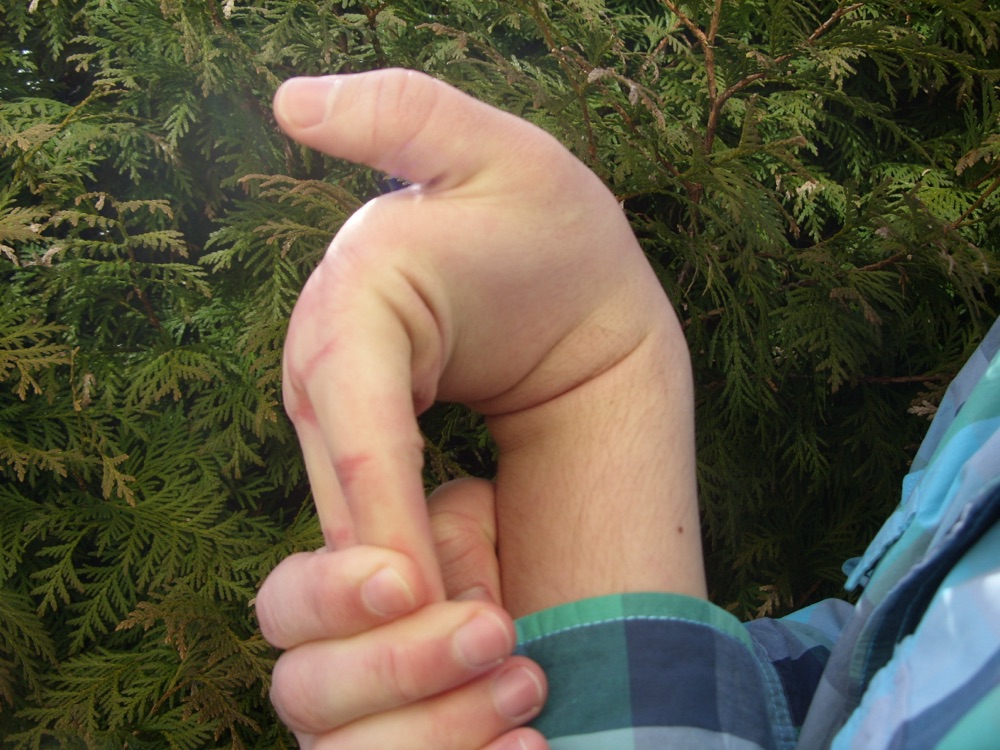
Ehlers–Danlos syndromes (EDS) comprise a heterogeneous spectrum of inherited connective tissue disorders characterized by joint hypermobility, tissue fragility, and defective collagen synthesis. Among the subtypes, hypermobile EDS (hEDS) and the broader hypermobility spectrum disorders (HSD) present extensive multisystem complications that frequently compromise gastrointestinal function, yet structured nutritional guidelines for this population have historically been neglected.
In a narrative review published in Nutrients, researchers conducted an exhaustive systematic search across PubMed and Scopus through September 2026, mapping nutritional vulnerability, dietary challenges, and clinical shortfalls in EDS and HSD. The synthesis revealed that gastrointestinal manifestations—including delayed gastric emptying, chronic intestinal pseudo-obstruction, gastroesophageal reflux, and rapid colonic transit—occur in up to 86% of patients, frequently complicated by co-occurring postural orthostatic tachycardia syndrome (POTS) and mast cell activation.
These physiological barriers severely restrict oral intake. Physical disability, temporomandibular joint pain, chronic fatigue, and visceral hypersensitivity frequently trigger food-related anxiety and avoidant/restrictive food intake disorder (ARFID) behaviors. Direct dietary assessments identified widespread shortfalls in dietary protein, dietary fiber, vitamin D, calcium, magnesium, and zinc—micronutrients essential for wound healing, mucosal barrier integrity, and residual collagen cross-linking.
Crucially, the authors note that conventional body mass index (BMI) metrics fail to detect malnutrition in EDS, as normal or elevated BMI often masks severe sarcopenia and micronutrient depletion. The review calls for multidisciplinary nutritional care incorporating texture-modified nutrient-dense foods, targeted sodium and fluid optimization for dysautonomia, and gentle low-FODMAP adaptations to ease visceral hyperalgesia.
Nutritional and clinical review in Ehlers–Danlos and hypermobility disorders
Up to 86%
of hEDS and HSD patients suffer from chronic gastrointestinal dysmotility
BMI Masks Risk
standard body mass index fails to reflect severe sarcopenic obesity and micronutrient deficits
Key Shortfalls
documented deficits in dietary protein, vitamin D, magnesium, zinc, and dietary fiber
POTS Crosstalk
co-occurring autonomic dysregulation necessitates precise fluid and electrolyte management
Narrative review published in Nutrients, 21 November 2026.
- Collagen makes up roughly 30% of total human protein, providing structural scaffolding for tendons, blood vessels, and the gastrointestinal wall.
- Mast cell activation syndrome (MCAS) is frequently comorbid with hEDS, triggering unpredictable histamine reactions to fermented foods.
- Orthostatic intolerance in POTS patients with EDS often improves with high-sodium dietary protocols (5–10 g salt daily) combined with adequate hydration.
- Nutritional Aspects of Ehlers–Danlos Syndrome: A Narrative Review of Available EvidenceNutrients · Open-access narrative review. Published 21 November 2026.
- File:Hypermobile (double jointed) phalangeal joints.JPGWikimedia Commons · Photo by Sarah G., CC BY-SA 3.0.
Educational summary of nutrition research, not personal medical advice. Speak to your doctor or dietitian before changing your diet or supplements, especially if you are pregnant, take medicines or have a medical condition.
Analysis by NutroPractic from the sources listed. Written for general readers; it does not replace advice from your own doctor.
From our articles
Our guides on this subject
Plain-language guides on nutrition and wellness, backed by research.
Gut health
L-glutamine for gut barrier integrity: what the post-infectious IBS and permeability trials measured, and the dose in grams
At 15 g a day, glutamine took 79.6% of post-infection IBS-D patients to a clinical response against 5.8% on placebo. Trials that measured gut permeability directly in Crohn's, pancreatitis and heat stress found no clear benefit, and a 10-trial meta-analysis found none overall. The doses, the 14 g a day safe level, and who might try it.
27 Nov 2026
Women's wellness and nutrition
Probiotics for recurrent UTI: what the Lactobacillus trials found strain by strain, and how they compare with antibiotics
Recurrence was 15% vs 27% with a vaginal L. crispatus probiotic (a gap that could be chance), 31.8% vs 70.4% for vaginal plus oral lactobacilli in a 174-woman trial, and oral GR-1 and RC-14 failed to show noninferiority to antibiotics over 12 months. Strains, doses, worked numbers and the resistance trade-off.
26 Nov 2026

Supplements and vitamins
Zinc carnosine for the gut lining: what the two human trials gave, the zinc in each dose, and the copper catch
Zinc carnosine is only about 22.6% zinc, so 75 mg twice a day is roughly 34 mg of zinc a day. Here are the doses and results of the 10-person NSAID permeability trial and the 20-person aspirin pilot, and the copper cautions.
22 Nov 2026
Newsfeed for your website
Want this feed on your website?
Add it to any site with one copy-and-paste snippet. No sign-up, and it updates itself every hour.
Start with a virtual consultation
Tell Dr. Triveni what you want to change. You will leave with a clear next step, whether you are in Toronto, London, New York or Chennai.