Paediatric nutrition & allergy · November 28, 2026
In 26,447 US children, the highest dietary zinc quartile had 37% lower odds of hay fever, with no added link above about 273 µg/kg/day
A cross-sectional analysis of national survey data found lower hay fever odds at higher dietary zinc intake, in an L-shaped pattern that levelled off above a threshold.
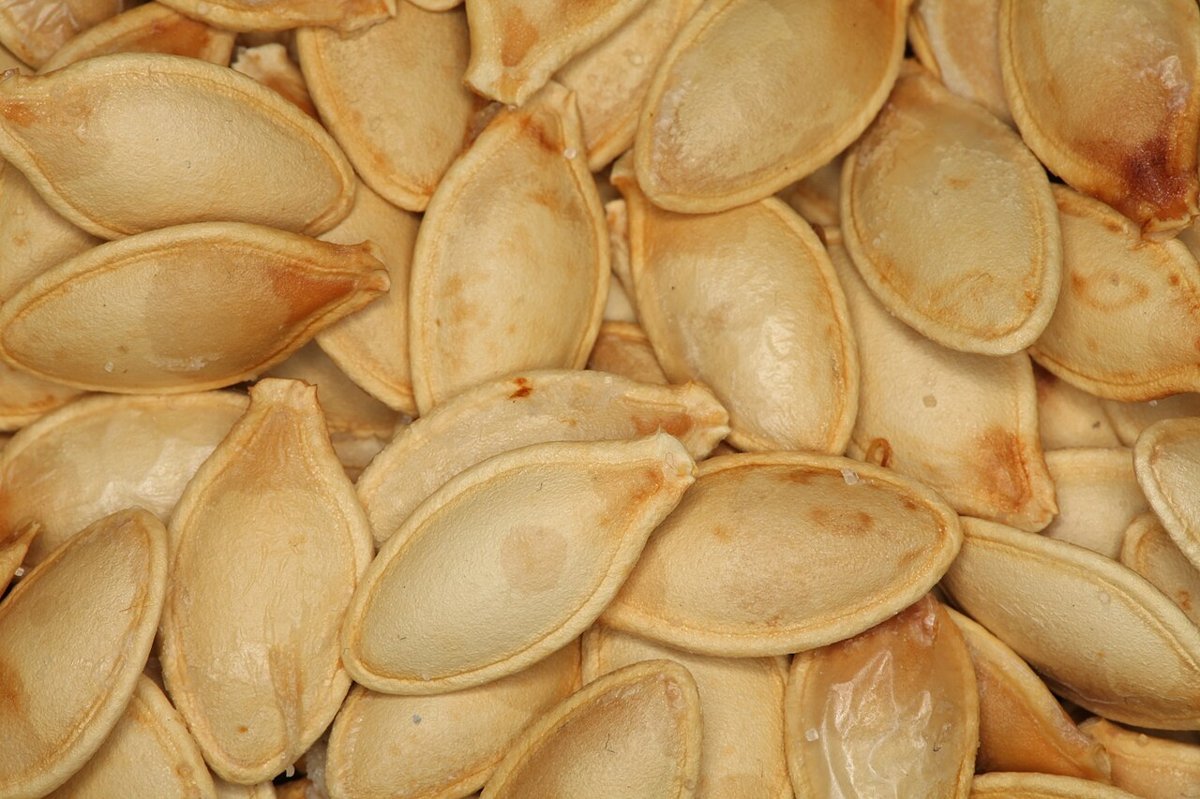
Hay fever is increasingly common, and zinc is an essential trace element involved in immune balance. Luo, Ma, Yang and colleagues examined dietary zinc in US children and adolescents in Laryngoscope Investigative Otolaryngology.
They used the National Health and Nutrition Examination Survey: 26,447 participants under 18, of whom 2,800 (10.6%) had hay fever. Each 100 µg/kg/day of dietary zinc was linked to 5% lower odds in the fully adjusted model (OR 0.95, 95% CI 0.92-0.97). Compared with the lowest quartile (up to 141 µg/kg/day), adjusted odds ratios were 0.84, 0.72 and 0.63 (0.53-0.76) for quartiles 2 to 4.
The relationship was L-shaped. Below about 273.4 µg/kg/day each 100 µg/kg/day was linked to 25.3% lower odds (OR 0.747, 0.666-0.837); above it there was no significant association.
This is a cross-sectional study (level of evidence 4), so it cannot show that zinc reduces hay fever or the direction of any effect, and dietary recall is imperfect. It does not support taking extra zinc supplements.
Dietary zinc and hay fever, NHANES children and adolescents
26,447
children and adolescents; 2,800 (10.6%) with hay fever
OR 0.63
highest vs lowest zinc quartile (95% CI 0.53-0.76)
273.4 µg/kg/day
threshold above which no further link was seen
Cross-sectional study, Laryngoscope Investigative Otolaryngology, 14 Nov 2026. Intake is expressed per kg of body weight.
- NHANES is a nationally representative US health and nutrition survey.
- Zinc intake here comes from diet, not supplements.
- Association Between Dietary Zinc Intake and Hay Fever in US Children and Adolescents: A Cross-Sectional StudyLaryngoscope Investigative Otolaryngology, 14 Nov 2026 · Abstract and results.
This article is general information about published research, not medical advice. It does not diagnose, treat or replace care from a qualified health professional. Talk to your doctor before starting a supplement or changing your diet, especially if you are pregnant, have a medical condition or take medicines.
Analysis by NutroPractic from the sources listed. Written for general readers; it does not replace advice from your own doctor.
From our articles
Our guides on this subject
Plain-language guides on nutrition and wellness, backed by research.
Children's nutrition
Feeding a teenage athlete: energy, iron, calcium and the sports drink question
Teenage athletes are growing and training at the same time, and under-eating (REDs) is found in up to 80% of female and 70% of male athletes in studies. A worked energy example for a 15-year-old footballer, protein and carbohydrate targets, iron and calcium in the growth spurt, when sports drinks help and when they are dessert, and the supplements to skip.
20 Oct 2026
Supplements and vitamins
Quercetin and vascular function: the 500 mg blood pressure trials, zinc ionophore claims, and food milligrams in red onions and capers
Meta-analyses put quercetin's effect on systolic blood pressure at about 3 mmHg, and about 4.5 mmHg in trials of 500 mg daily or more. Trials of artery function have mostly been negative. Why the zinc ionophore claim rests on cell dishes, plus caper and onion milligrams and safety.
25 Nov 2026

Supplements and vitamins
Zinc carnosine for the gut lining: what the two human trials gave, the zinc in each dose, and the copper catch
Zinc carnosine is only about 22.6% zinc, so 75 mg twice a day is roughly 34 mg of zinc a day. Here are the doses and results of the 10-person NSAID permeability trial and the 20-person aspirin pilot, and the copper cautions.
22 Nov 2026
Newsfeed for your website
Want this feed on your website?
Add it to any site with one copy-and-paste snippet. No sign-up, and it updates itself every hour.
Start with a virtual consultation
Tell Dr. Triveni what you want to change. You will leave with a clear next step, whether you are in Toronto, London, New York or Chennai.