Mental health & minerals · November 14, 2026
Higher dietary magnesium linked to a 38% lower risk of depressive symptoms in 10,316 Japanese adults
In a large population-based cohort study from Japan, adults in the highest quartile of dietary magnesium intake had a 38% lower prevalence of depressive symptoms compared to those consuming the least.
Magnesium acts as a crucial cofactor in more than 300 enzymatic pathways across the human body, playing foundational roles in cellular energy metabolism, neuromuscular transmission, and neurotransmitter synthesis. Emerging neurochemical evidence suggests that magnesium regulates NMDA receptor activity and the hypothalamic-pituitary-adrenal (HPA) axis, both intimately tied to mood regulation.
In a study published in Clinical Nutrition ESPEN, researchers from Ehime University Graduate School of Medicine analyzed baseline data from 10,316 Japanese men and women aged 20 to 95 participating in the Aidai Cohort Study. The researchers evaluated the relationship between habitual dietary magnesium intake and the prevalence of depressive symptoms.
Habitual dietary consumption over the previous year was assessed using a thoroughly validated 169-item semi-quantitative food frequency questionnaire (FFQ). Depressive symptoms were screened using the Center for Epidemiologic Studies Depression Scale (CES-D) with a standard cutoff score of 16 or greater.
After controlling for age, sex, body mass index, smoking status, alcohol consumption, physical activity, educational attainment, and history of chronic disease, adults in the highest quartile of dietary magnesium intake had a 38% lower prevalence of depressive symptoms compared with those in the lowest quartile. The inverse relationship remained robust across both sexes and across younger and older age brackets.
Dietary magnesium intake and depressive symptom prevalence in the Aidai Cohort Study
10,316
Japanese adults aged 20–95 evaluated at baseline
38% lower
Prevalence of depressive symptoms in the highest vs lowest magnesium quartile
169 items
Validated food frequency questionnaire used to assess annual nutrient intake
≥ 16
CES-D score threshold used to identify significant depressive symptoms
Cross-sectional epidemiological analysis adjusting for multiple sociodemographic, lifestyle, and clinical confounders.
- Magnesium blocks calcium influx into neuronal NMDA receptors, preventing excitotoxicity and excessive neuronal firing.
- Major whole-food dietary sources of magnesium include dark leafy vegetables, legumes, tofu, nuts, seeds, and unrefined grains.
- The HPA axis, which mediates physiological stress responses, is modulated in part by central magnesium availability.
- Ultra-processed foods and refined grains often lose up to 80% of their natural magnesium content during industrial milling.
- Magnesium intake and prevalence of depressive symptoms: The baseline data from the Aidai Cohort StudyClinical Nutrition ESPEN / PubMed · Primary epidemiological cohort study evaluating dietary magnesium intake and depression scores in 10,316 adults.
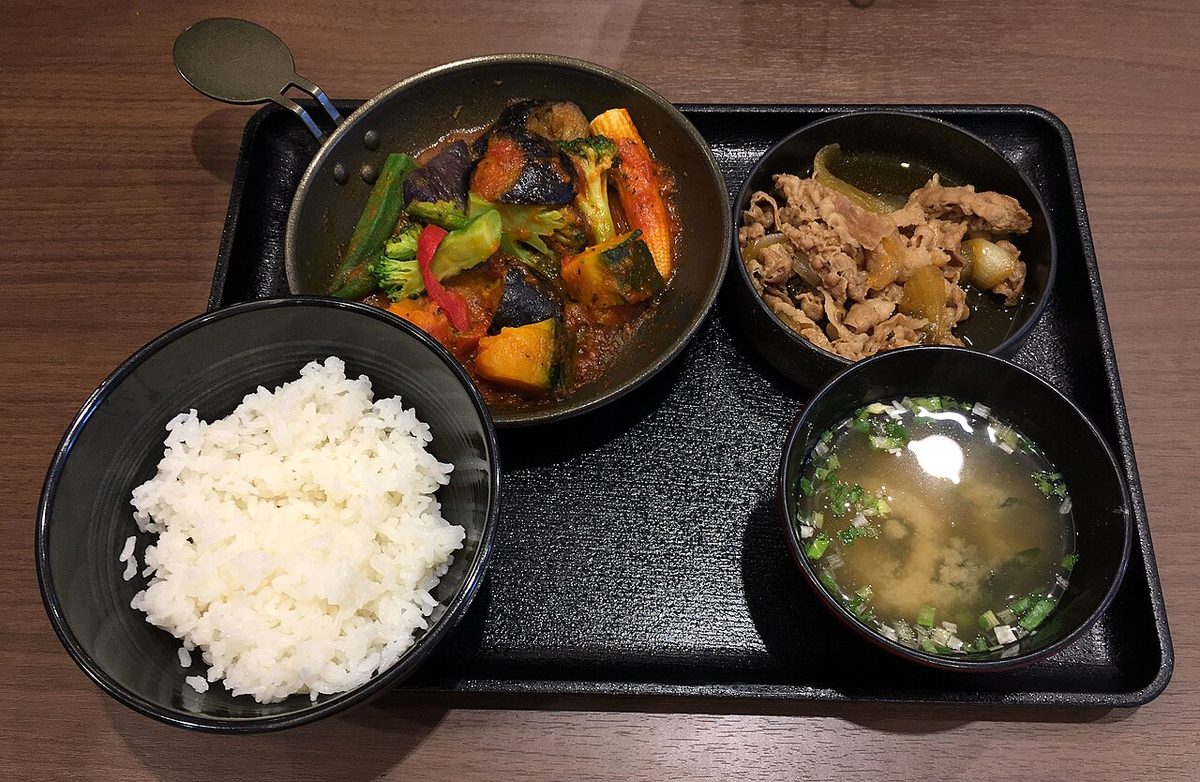
- Vegetable beef teishoku of YoshinoyaWikimedia Commons · Photo by Dokujima Miruku, CC0. Illustration of traditional Japanese nutrient-dense cuisine.
General information, not medical advice. Depressive disorders require comprehensive clinical evaluation by a licensed healthcare professional; dietary changes serve as supportive lifestyle factors.
Analysis by NutroPractic from the sources listed. Written for general readers; it does not replace advice from your own doctor.
From our articles
Our guides on this subject
Plain-language guides on nutrition and wellness, backed by research.
Supplements and vitamins
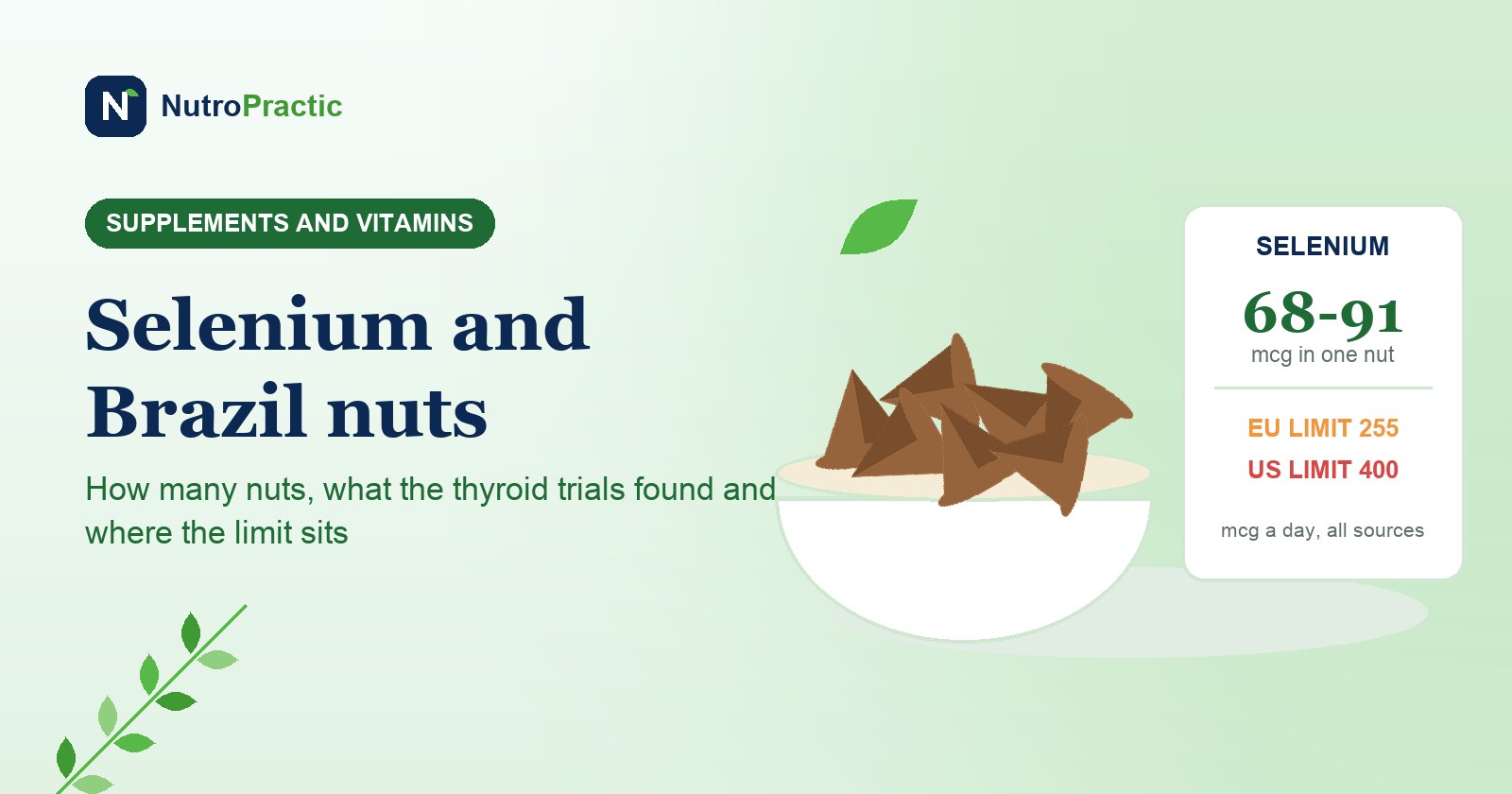
Selenium: how many Brazil nuts, what the thyroid trials found, and where the upper limit sits
One Brazil nut holds 68 to 91 mcg of selenium on average, against a 255 mcg European ceiling. A table of nuts per day, what the Hashimoto trials measured, and why more is not better.
14 Nov 2026
Supplements and vitamins
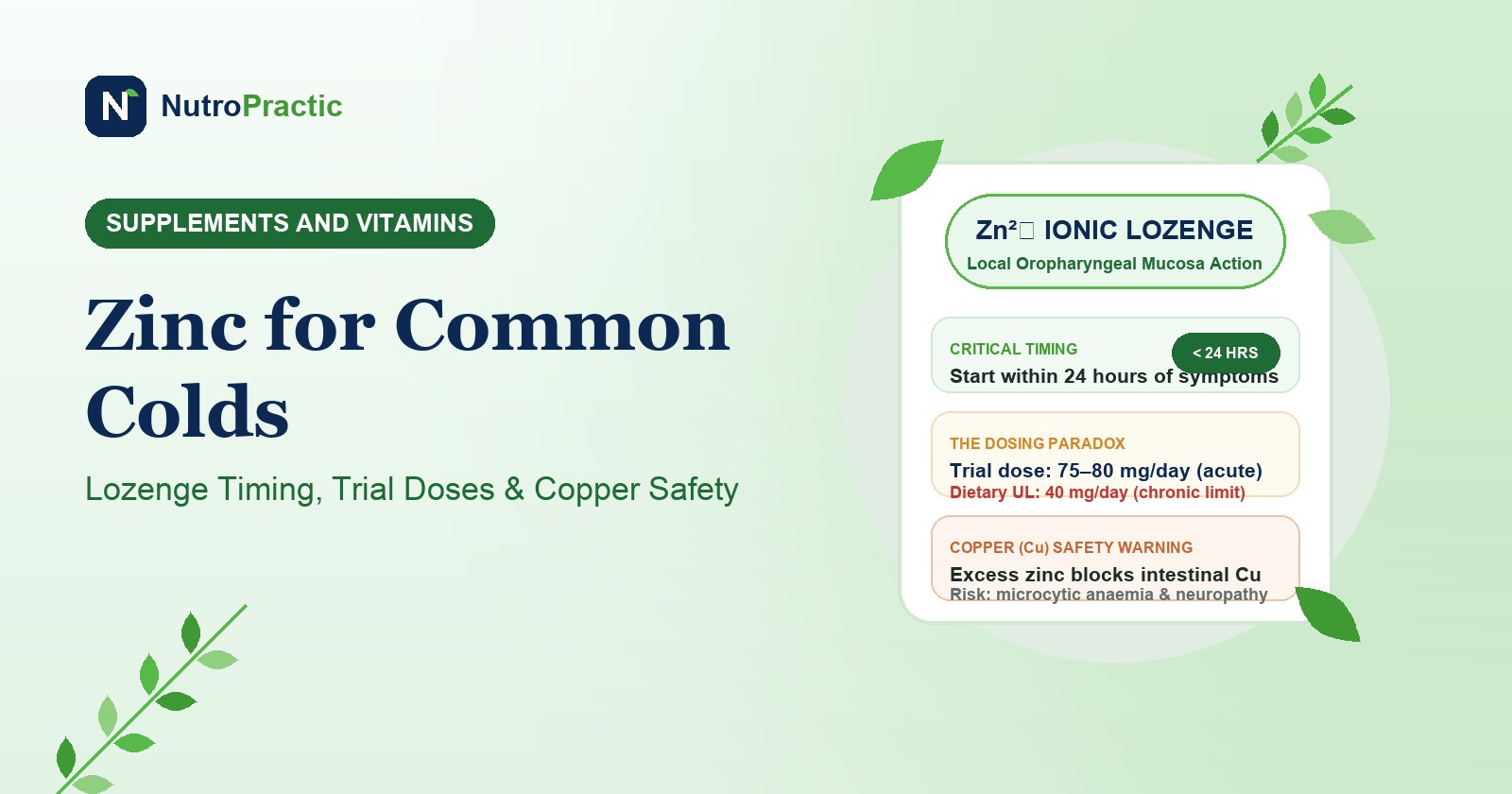
Zinc for common colds and immunity: trial doses, lozenge timing, and why 40 mg+ depletes copper
Randomized controlled trials confirm that zinc lozenges can reduce common cold duration by roughly 33%, but only when started within the first 24 hours of symptoms. Achieving this clinical effect requires doses of 75 to 80 mg daily of ionic zinc dissolved in the mouth—well above the 40 mg tolerable upper intake level. Here is the evidence on lozenge formulations, delivery timing, and why sustained high doses induce severe copper deficiency.
13 Nov 2026
Women's health
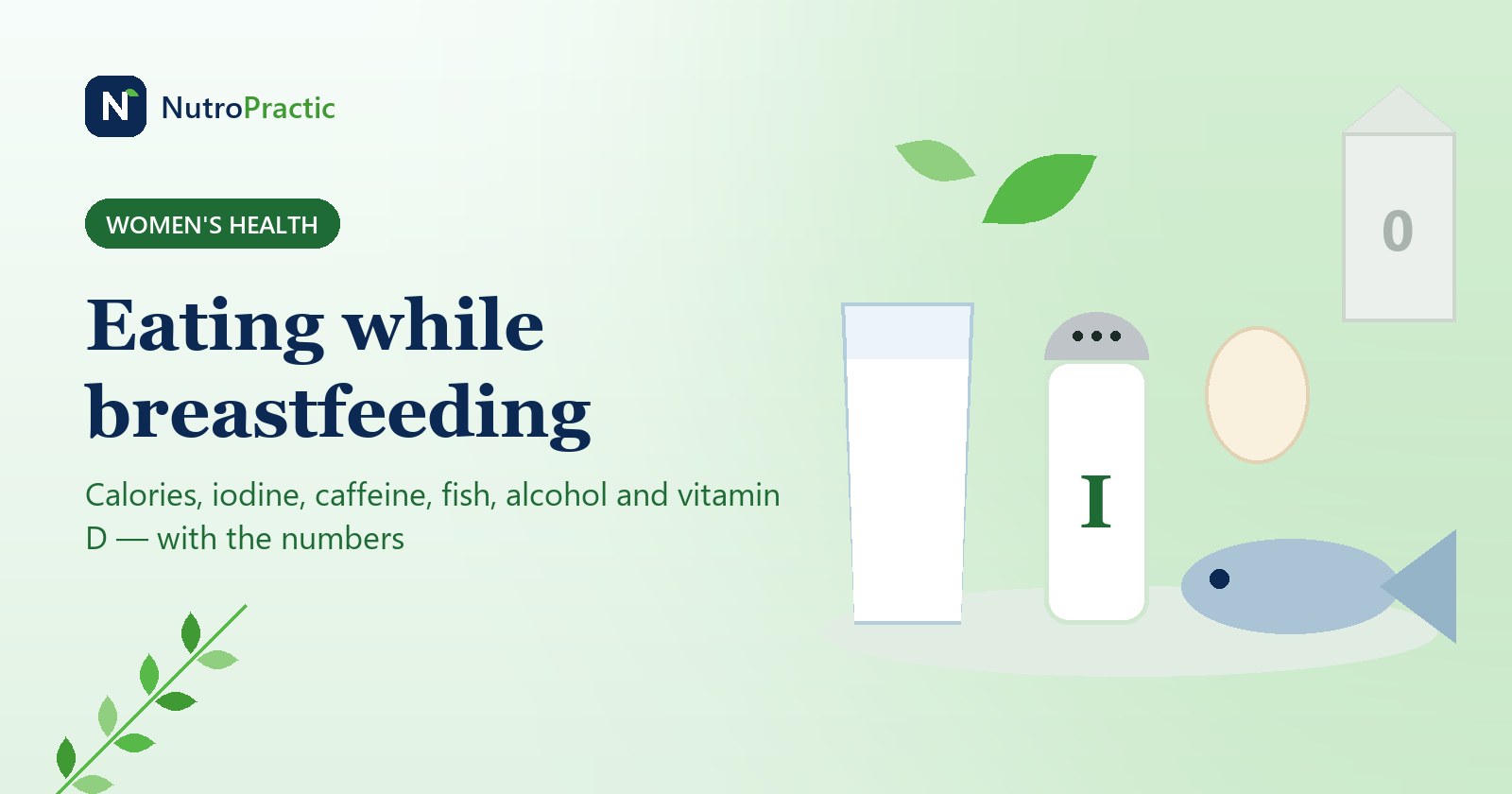
Eating while breastfeeding: extra calories, iodine, caffeine, fish and alcohol, with the actual numbers
Breastfeeding usually adds about 330–400 kcal a day, but the smaller numbers can matter more: 290 mcg iodine, 400 IU vitamin D for baby, 8–12 oz fish a week, and a caffeine total you can actually add up.
6 Nov 2026
Newsfeed for your website
Want this feed on your website?
Add it to any site with one copy-and-paste snippet. No sign-up, and it updates itself every hour.
Start with a virtual consultation
Tell Dr. Triveni what you want to change. You will leave with a clear next step, whether you are in Toronto, London, New York or Chennai.