Maternal nutrition · November 28, 2026
In 483 Miao pregnant women, higher pre-pregnancy MUFA intake linked to 64% lower gestational diabetes risk; early-pregnancy total fat linked to 75% higher
A Chinese cohort found that the type and timing of dietary fat mattered for gestational diabetes: monounsaturated fat before pregnancy went with lower risk, total fat in early pregnancy with higher risk.
Evidence on dietary fat and gestational diabetes mellitus (GDM) is limited and inconsistent. Qiao, Chen, Ni and colleagues followed 483 pregnant women from the China Miao Maternal and Child Cohort and report in Frontiers in Nutrition.
Diet in the year before pregnancy and in early pregnancy was assessed with a validated food frequency questionnaire. 84 women (17.39%) developed GDM. Pre-pregnancy MUFA intake in the top versus bottom third was linked to lower risk (RR 0.36, 95% CI 0.14-0.94), as was oleic acid (RR 0.34, 0.13-0.89).
In early pregnancy, the highest third of total fat intake was linked to higher risk (RR 1.75, 1.08-2.82), as was nervonic acid (RR 1.85, 1.00-3.42). No non-linear relationships were found for total fat, SFA, MUFA or PUFA.
The sample is small, from one ethnic group, with wide confidence intervals, and diet was self-reported. The findings point to a possible role for fat composition and timing but do not prove cause.
Dietary fat and gestational diabetes, China Miao cohort
483
pregnant women; 84 (17.39%) developed GDM
RR 0.36
pre-pregnancy MUFA, top vs bottom third (95% CI 0.14-0.94)
RR 1.75
early-pregnancy total fat, top vs bottom third (95% CI 1.08-2.82)
Prospective cohort study, Frontiers in Nutrition, 25 Nov 2026. Small sample and wide confidence intervals.
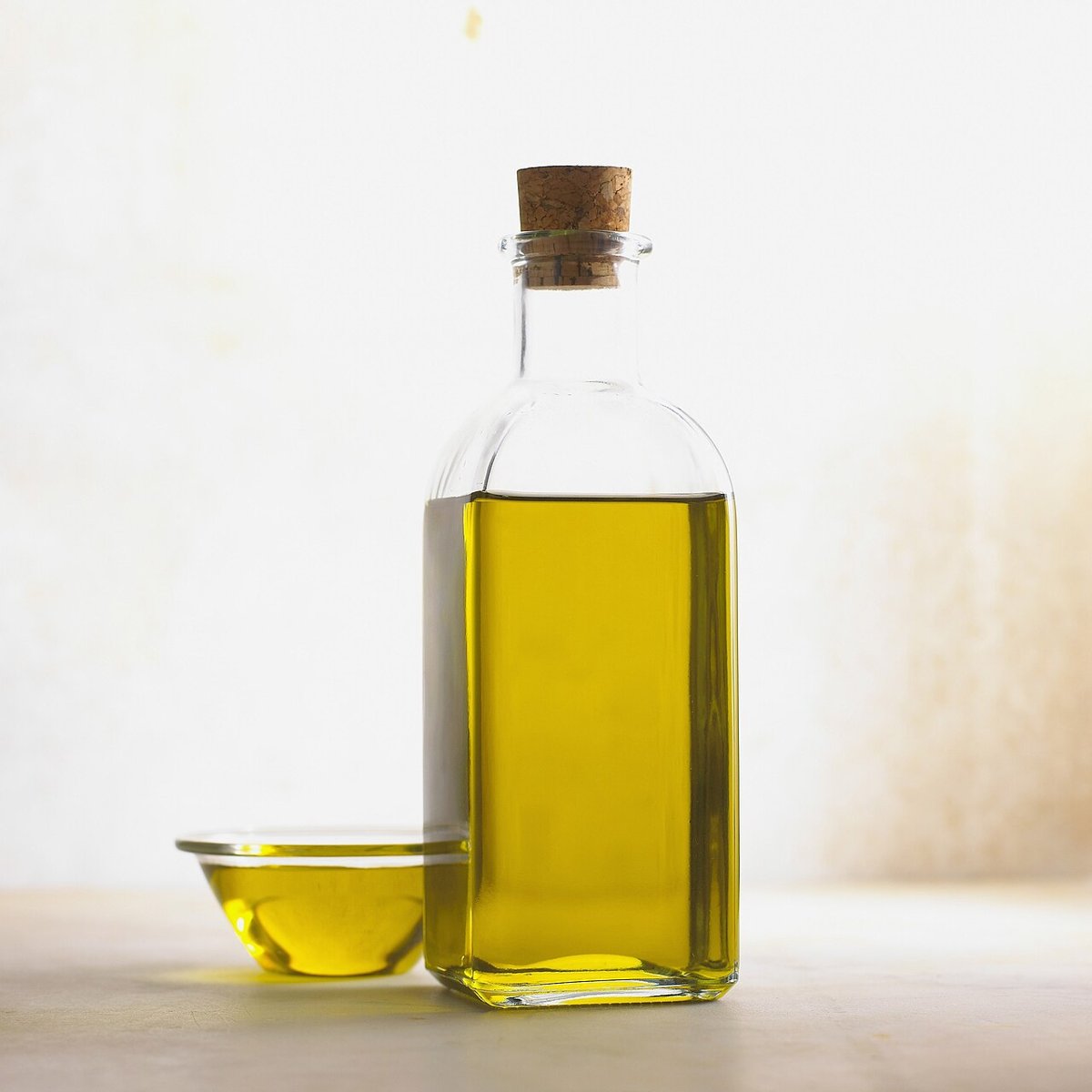
- MUFA means monounsaturated fatty acids; oleic acid is the main one in olive oil.
- The study separated diet before pregnancy from diet in early pregnancy and found different patterns.
- Associations of pre-pregnancy and early pregnancy dietary fat and fatty acid intake with gestational diabetes mellitus risk among Miao pregnant women in ChinaFrontiers in Nutrition, 25 Nov 2026 · Abstract and results.
This article is general information about published research, not medical advice. It does not diagnose, treat or replace care from a qualified health professional. Talk to your doctor before starting a supplement or changing your diet, especially if you are pregnant, have a medical condition or take medicines.
Analysis by NutroPractic from the sources listed. Written for general readers; it does not replace advice from your own doctor.
From our articles
Our guides on this subject
Plain-language guides on nutrition and wellness, backed by research.
Supplements and vitamins
Black seed oil (Nigella sativa) and fasting glucose: what the pooled trials measured, oil vs powder doses, and the liver enzyme data
Meta-analyses of randomised trials put black seed's effect at roughly 10 to 20 mg/dL lower fasting glucose and about half a point of HbA1c, mostly as an add-on to diabetes tablets. The 1 to 3 g a day doses tested, why two bottles can differ 263-fold in thymoquinone, and what the liver and kidney markers showed.
27 Nov 2026
Supplements and vitamins
Alpha-lipoic acid for diabetic neuropathy and glucose uptake: the 600 mg trials, R-ALA vs racemic forms, and when to take it
Oral ALA at 600 mg daily cut the Total Symptom Score by 51% against 32% on placebo in the 5-week SYDNEY 2 trial, and higher doses added side effects without more relief. The 4-year NATHAN 1 trial missed its primary endpoint. Trial tables, R-ALA and glucose findings, timing and safety.
25 Nov 2026

Cardiovascular wellness
Psyllium husk: how much soluble fibre lowers LDL cholesterol and stabilizes post-meal glucose in clinical trials
Viscous soluble fibre forms a thick gel matrix in the small intestine that binds bile acids and blunts post-meal glucose spikes. Across dozens of randomized controlled trials, 7 to 10.2 grams of psyllium daily lowers LDL cholesterol by 6% to 12% without stripping HDL, while reducing postprandial glucose surges by 15% to 25% in metabolic syndrome and type 2 diabetes. Discover the bile acid sequestration mechanism, trial meta-analyses, exact timing before meals, water ratios, and titration protocols to avoid gas and cramping.
13 Nov 2026
Newsfeed for your website
Want this feed on your website?
Add it to any site with one copy-and-paste snippet. No sign-up, and it updates itself every hour.
Start with a virtual consultation
Tell Dr. Triveni what you want to change. You will leave with a clear next step, whether you are in Toronto, London, New York or Chennai.