Micronutrients & post-bariatric clinical care · November 22, 2026
Low serum magnesium after bariatric surgery linked to 40% higher long-term mortality and elevated cardiovascular events in multicenter cohort
A propensity score-matched study of 16,476 adults following metabolic and bariatric surgery in the TriNetX Global Network found that hypomagnesemia (<1.8 mg/dL) was associated with a 40% higher risk of 5-year all-cause mortality, alongside sharply elevated hazards for heart attack, stroke, and atrial fibrillation.
Metabolic and bariatric surgery (MBS)—including Roux-en-Y gastric bypass and sleeve gastrectomy—provides substantial, sustained weight loss and remission of obesity-related comorbidities like type 2 diabetes. However, surgical alteration of the gastrointestinal tract and persistent postoperative dietary restrictions drastically heighten the risk of chronic micronutrient deficiencies. While clinical attention routinely focuses on iron, vitamin B12, folate, and vitamin D, the long-term prognostic consequences of subclinical hypomagnesemia have remained underrecognized in routine postoperative follow-up.
To determine whether low serum magnesium influences long-term survival and major cardiovascular endpoints, clinical researchers analyzed real-world electronic health records from the multicenter TriNetX Global Collaborative Network spanning 2010 to 2023. Adult patients with prior bariatric surgery and baseline serum magnesium measurements were stratified into a low magnesium group (<1.8 mg/dL) and a normal magnesium group (1.8–2.2 mg/dL). Investigators applied rigorous 1:1 propensity score matching to balance 8,238 patients in each cohort across demographics, comorbidities, medications, and surgical characteristics.
Over a median 3- to 5-year follow-up window, patients with hypomagnesemia suffered significantly greater adverse outcomes. Between day 90 and 3 years post-index, low serum magnesium was associated with a 34% higher risk of all-cause mortality (hazard ratio [HR] = 1.34; 95% CI: 1.06–1.69), an association that strengthened through 5 years of follow-up (HR = 1.40; 95% CI: 1.16–1.70). Furthermore, hypomagnesemic patients exhibited elevated hazards for acute myocardial infarction (HR = 1.77), cerebral infarction (HR = 1.40), and atrial fibrillation/flutter (HR = 1.82), while negative-control outcomes (acute appendicitis) showed no difference, confirming exposure specificity.
Magnesium is a vital intracellular cofactor for more than 300 enzymatic reactions, regulating vascular tone, cardiac myocyte electrophysiology, insulin sensitivity, and endothelial nitric oxide synthesis. The study authors concluded that routine serum magnesium surveillance should become a non-negotiable standard of care following bariatric surgery, recommending prospective trials to determine whether systematic magnesium repletion can attenuate post-surgical cardiovascular and mortality hazards.
Propensity score-matched long-term outcomes in bariatric surgery (TriNetX Network)
16,476
Matched bariatric surgery patients evaluated (8,238 per cohort)
HR 1.40
Higher 5-year all-cause mortality risk in hypomagnesemia (<1.8 mg/dL)
HR 1.77
Elevated hazard for acute myocardial infarction in low magnesium cohort
HR 1.82
Increased risk of new-onset atrial fibrillation or atrial flutter
Multicenter propensity score-matched cohort study published in Frontiers in Nutrition (November 2026).
- Approximately 60% of total body magnesium is stored in bone mineral matrix, with less than 1% circulating in serum, meaning normal serum readings can mask tissue depletion.
- Gastrointestinal bypass reduces active magnesium absorption primarily occurring in the distal jejunum and ileum through TRPM6/7 epithelial channel downregulation.
- Hypomagnesemia frequently co-occurs with refractory hypocalcemia and hypokalemia because magnesium is required for parathyroid hormone release and renal potassium retention.
- Dietary magnesium is concentrated in unrefined pumpkin seeds, almonds, dark leafy greens, legumes, and whole grains, foods often tolerated poorly immediately after bariatric surgery.
- Low Serum Magnesium and Long-Term Mortality in Adults With Prior Metabolic and Bariatric Surgery: A Multicenter Propensity Score–Matched Cohort StudyFrontiers in Nutrition · Multicenter propensity score-matched cohort of 16,476 post-bariatric adults. Published November 2026.
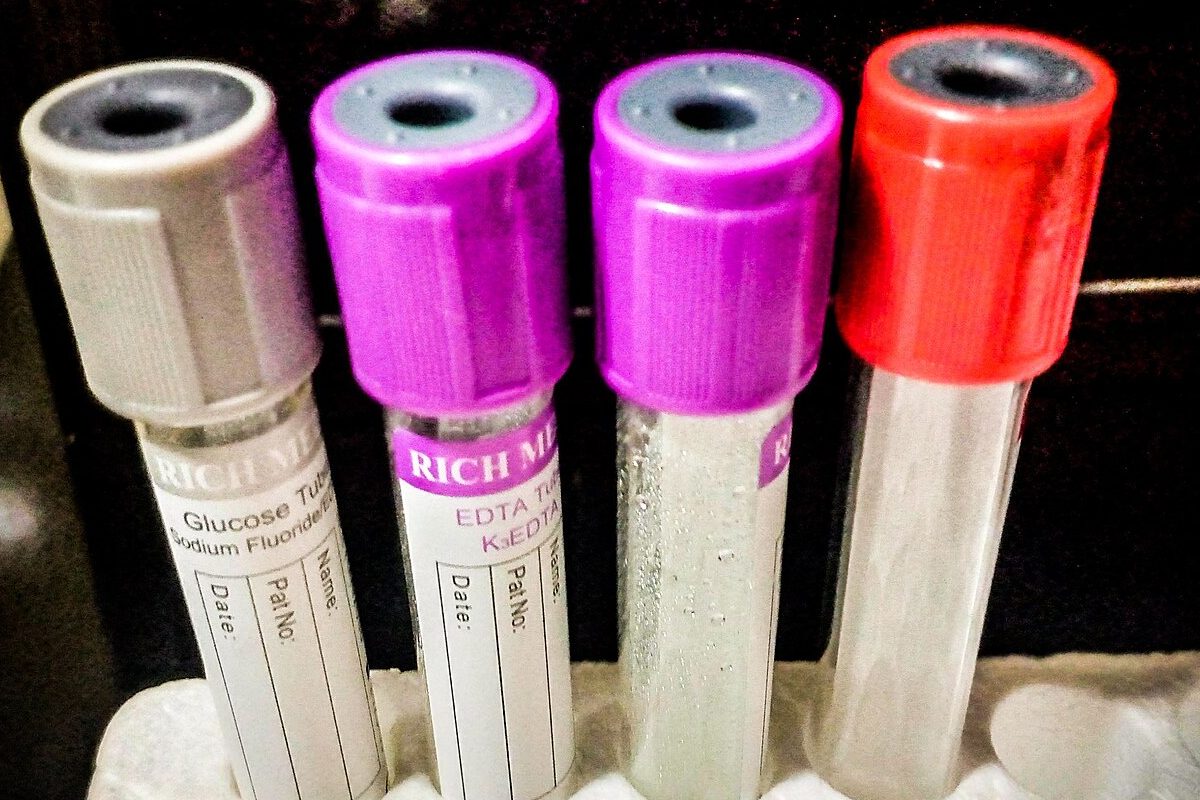
- Laboratory Test TubesWikimedia Commons · Photo by Frankincense Diala, CC0 public domain dedication.
Educational summary of post-surgical micronutrient research. Patients who have undergone bariatric surgery should undergo comprehensive regular blood testing and discuss supplementation plans with their bariatric surgeon or dietitian.
Analysis by NutroPractic from the sources listed. Written for general readers; it does not replace advice from your own doctor.
From our articles
Our guides on this subject
Plain-language guides on nutrition and wellness, backed by research.

Supplements and vitamins
Selenium: how many Brazil nuts, what the thyroid trials found, and where the upper limit sits
One Brazil nut holds 68 to 91 mcg of selenium on average, against a 255 mcg European ceiling. A table of nuts per day, what the Hashimoto trials measured, and why more is not better.
14 Nov 2026

Cardiovascular wellness
Psyllium husk: how much soluble fibre lowers LDL cholesterol and stabilizes post-meal glucose in clinical trials
Viscous soluble fibre forms a thick gel matrix in the small intestine that binds bile acids and blunts post-meal glucose spikes. Across dozens of randomized controlled trials, 7 to 10.2 grams of psyllium daily lowers LDL cholesterol by 6% to 12% without stripping HDL, while reducing postprandial glucose surges by 15% to 25% in metabolic syndrome and type 2 diabetes. Discover the bile acid sequestration mechanism, trial meta-analyses, exact timing before meals, water ratios, and titration protocols to avoid gas and cramping.
13 Nov 2026
Supplements and vitamins
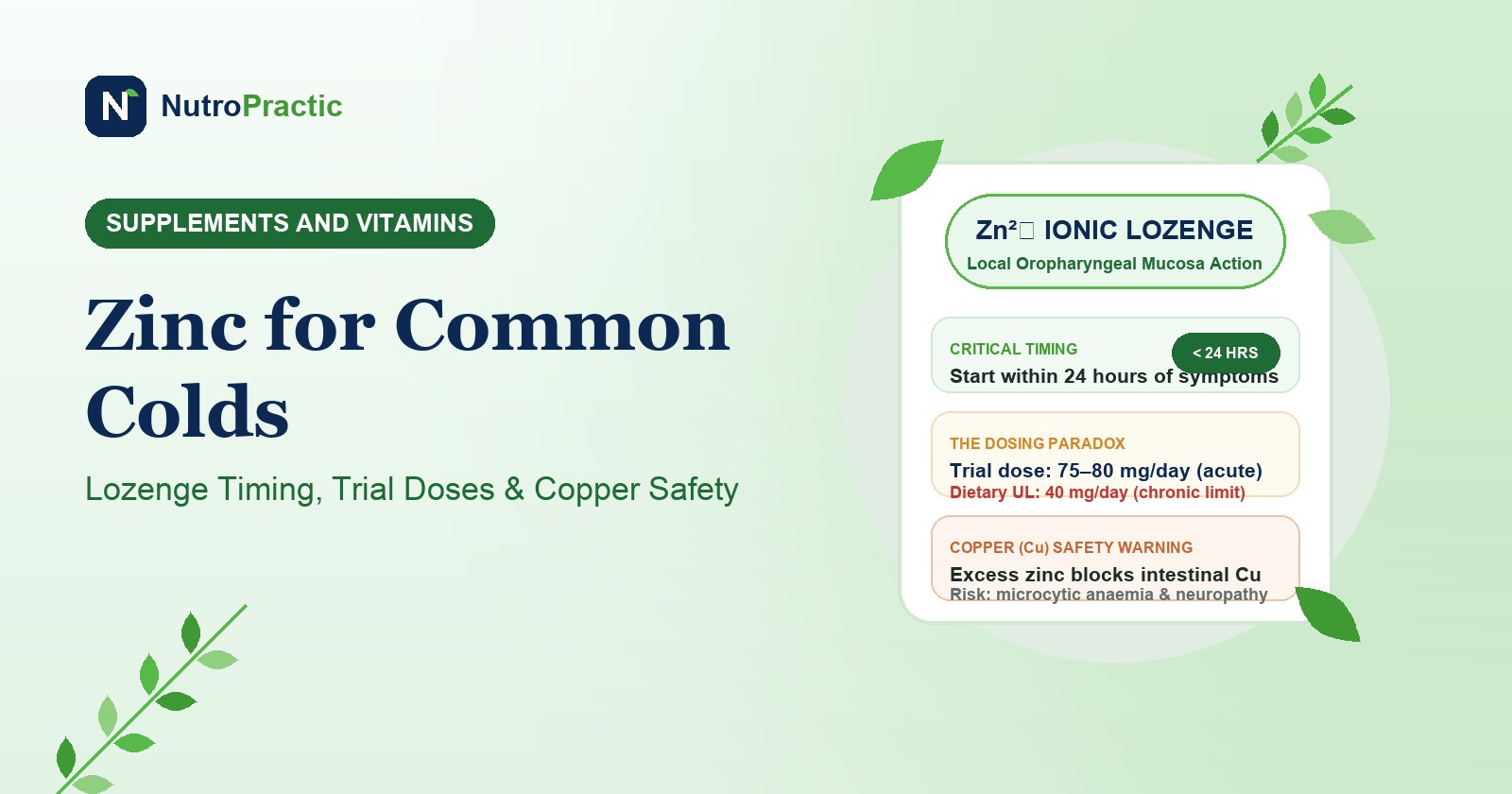
Zinc for common colds and immunity: trial doses, lozenge timing, and why 40 mg+ depletes copper
Randomized controlled trials confirm that zinc lozenges can reduce common cold duration by roughly 33%, but only when started within the first 24 hours of symptoms. Achieving this clinical effect requires doses of 75 to 80 mg daily of ionic zinc dissolved in the mouth—well above the 40 mg tolerable upper intake level. Here is the evidence on lozenge formulations, delivery timing, and why sustained high doses induce severe copper deficiency.
13 Nov 2026
Newsfeed for your website
Want this feed on your website?
Add it to any site with one copy-and-paste snippet. No sign-up, and it updates itself every hour.
Start with a virtual consultation
Tell Dr. Triveni what you want to change. You will leave with a clear next step, whether you are in Toronto, London, New York or Chennai.